Artemisia stelleriana
Besser
Dusty Miller, Beach Wormwood
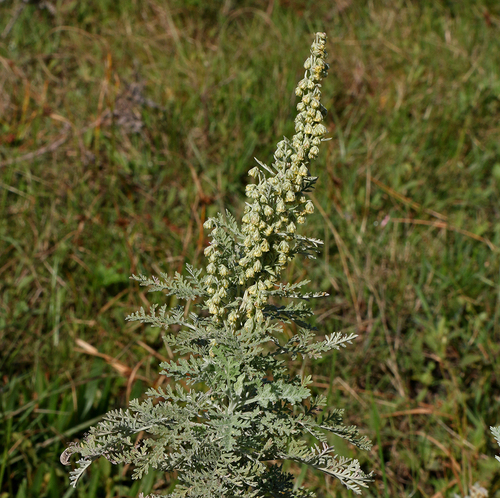
iNaturalist· cc-by-nc
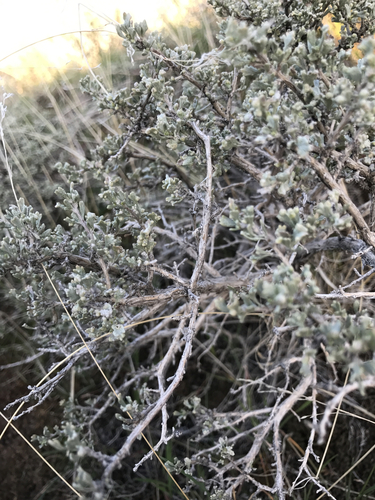
(c) kelseydinaut, some rights reserved (CC BY-NC)
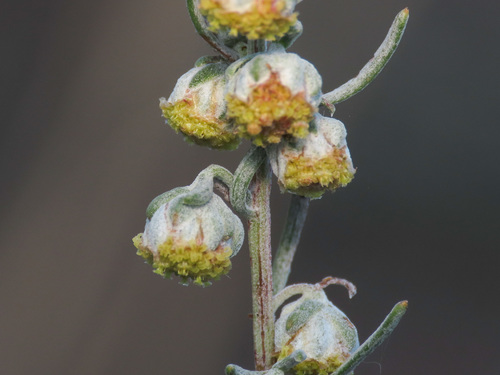
iNaturalist· cc-by-nc
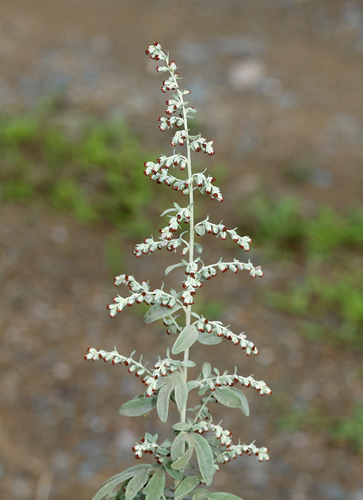
(c) margaretcurtin, some rights reserved (CC BY-NC)
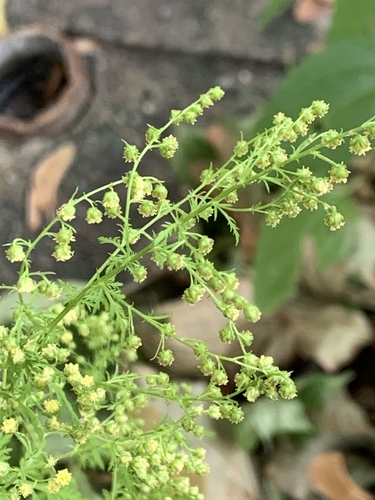
iNaturalist· cc-by-nc
(c) Tatyana Primak, some rights reserved (CC BY-NC), uploaded by Tatyana Primak
Summary
Source: WikipediaArtemisia stelleriana is an Asian and North American species of plants in the sunflower family. It is native to China (Heixiazi Island in Heilongjiang Province), Japan, Korea, Russian Far East (Sakhalin, Kuril Islands, Yakutia, Kamchatka Peninsula), and the Aleutian Islands in the United States. The species is widely cultivated as an ornamental and naturalized in scattered locations in North America, primarily on coastal dunes and other sandy locations, as well as in Scandinavia. Common names include hoary mugwort, Dusty Miller, beach wormwood, and oldwoman.
Description
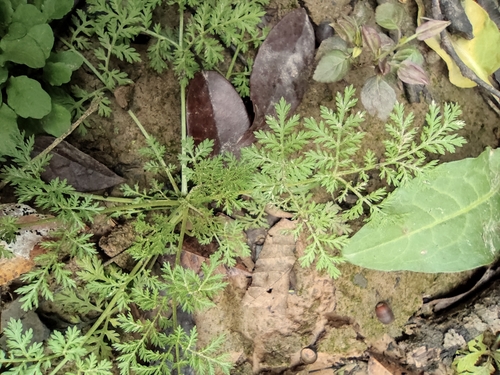
A perennial herb. It grows 45-60 cm high and spreads 60-90 cm wide. The leaves are grey-green and almost silver. They have a felted texture. They are spoon shaped. They are 4-6 cm long. The flower-heads are greenish-yellow. They are on slender stalks 3 cm long.
Edible Uses
Edible Parts: Edible Uses: Condiment The leaves are used for flavouring rice dumplings.
Traditional Uses
CAUTION: Several plants in this group are poisonous. The leaves are used for flavouring rice dumplings.
This uses section is brief — help expand it
Medicinal Uses
None known
Known Hazards
Although no reports of toxicity have been seen for this species, skin contact with some members of this genus can cause dermatitis or other allergic reactions in some people.
Distribution
It is a temperate plant. It is frost hardy. It suits hardiness zones 3-9.
Where It Grows
Alaska, Asia, Australia, China, Hawaii, India, Japan, Korea, North America, Pacific, Siberia, USA,
Cultivation
Requires a well-drained sandy soil and a sunny position. Established plants are drought tolerant. Grows well in maritime areas and in cold gardens. Plants are longer lived, more hardy and more aromatic when they are grown in a poor dry soil. Members of this genus are rarely if ever troubled by browsing deer.
Propagation
Seed - surface sow from late winter to early summer in a greenhouse, making sure that the compost does not dry out. When large enough to handle, prick the seedlings out into individual pots and grow them on in the greenhouse for their first winter. Plant out in late spring or early summer. Division in spring or autumn. Basal cuttings in late spring. Harvest the young shoots when about10 - 15cm long, pot up in a lightly shaded position in a greenhouse or cold frame and plant them out when well rooted. Very easy.
Other Uses
Plants can be grown as ground cover in a sunny position, they are of sprawling habit. Provides shelter for beneficial invertebrates: insects and other arthropods. A specialist nectary plant [1-2]. Landscape Uses: Border, Ground cover, Massing, Seashore, Specimen. Some named forms have been selected for their ornamental value. Special Features: Attractive foliage, North American native, Suitable for dried flowers. Special Uses Attracts Wildlife Food Forest Ground cover
Notes
There are about 300 Artemisia species.
Also Known As
Old woman, Shiro-yomogi
References (10)
- Brickell, C. (Ed.), 1999, The Royal Horticultural Society A-Z Encyclopedia of Garden Plants. Convent Garden Books. p 141
- Cundall, P., (ed.), 2004, Gardening Australia: flora: the gardener's bible. ABC Books. p 191
- Facciola, S., 1998, Cornucopia 2: a Source Book of Edible Plants. Kampong Publications, p 34
- Hibbert, M., 2002, The Aussie Plant Finder 2002, Florilegium. p 33
- Jackes, D. A., Edible Forest Gardens
Show all 10 references Hide references
- Joyce, D., 1998, The Garden Plant Selector. Ryland, Peters and Small. p 207
- Nouv. Mem. Soc. Imp. Naturalistes Moscou 3:79. 1834
- READ
- Tanaka,
- Wilson, S., 1997, Some Plants are Poisonous. Reed. p 24