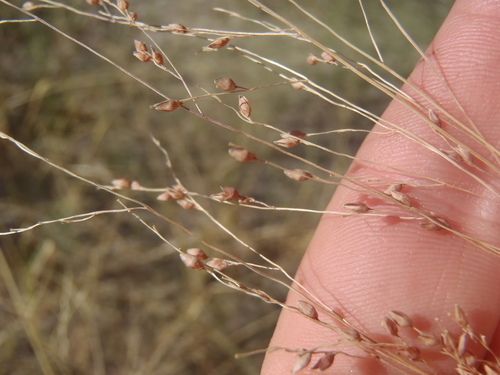
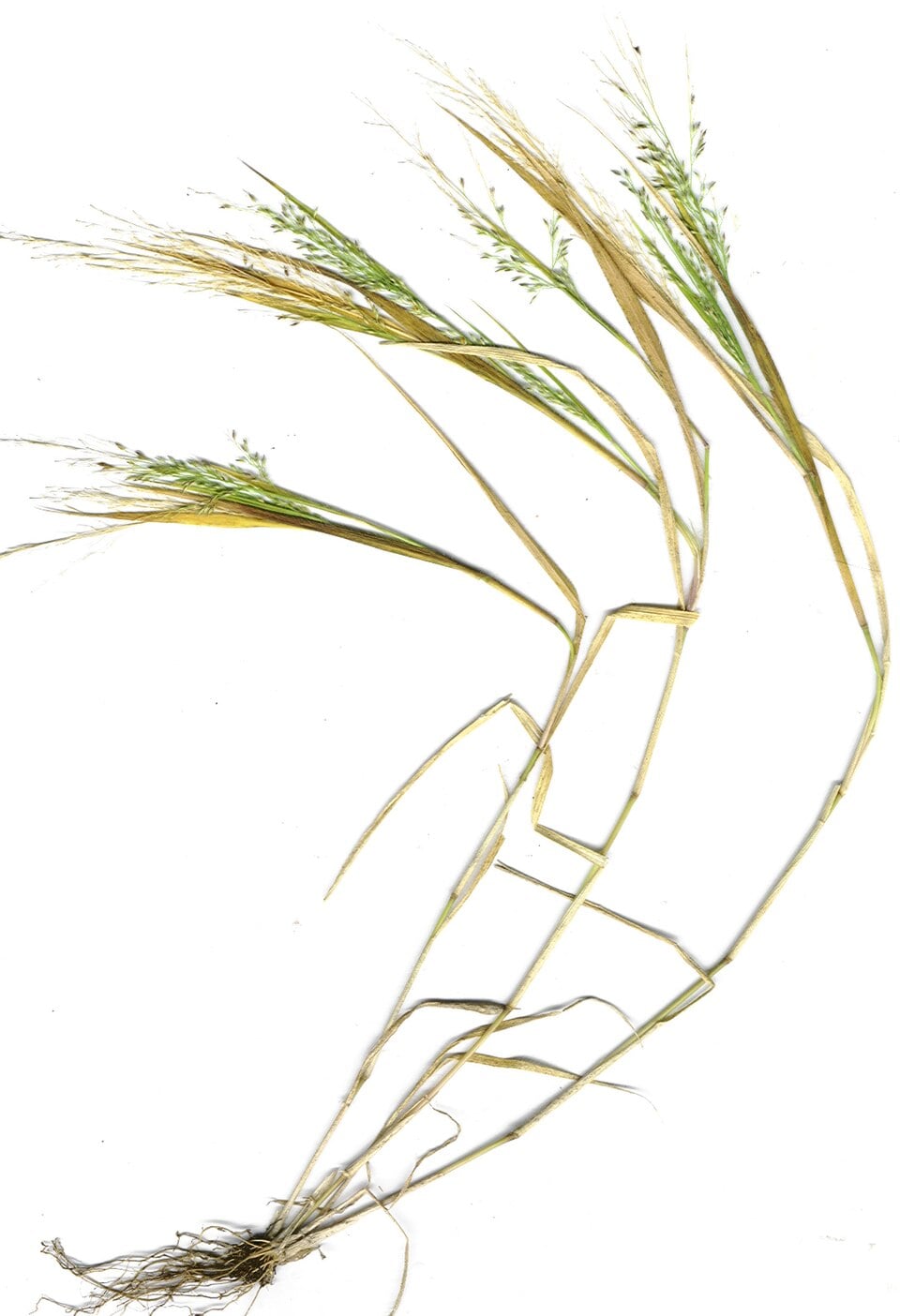
Triodia pungens
R. Br.
Soft spinifex, Gummy Spinifex
iNaturalist· cc0
no rights reserved, uploaded by Richard Fuller
iNaturalist· cc-by-nc
(c) Russell Cumming, some rights reserved (CC BY-NC)
Summary
Source: WikipediaTriodia pungens, commonly known as soft spinifex, is a species of grass native to northwestern Australia. The plant is currently being researched due to its resinous properties as a Termite timber coating. Other research and applications are as a latex enhancer and bitumen adhesive. In its natural habitat, the Spinifex is used by local Indigenous people as a weapon and housing adhesive. Originally described by botanist Robert Brown in his 1810 work Prodromus Florae Novae Hollandiae, Triodia pungens still bears its original binomial name.
Description
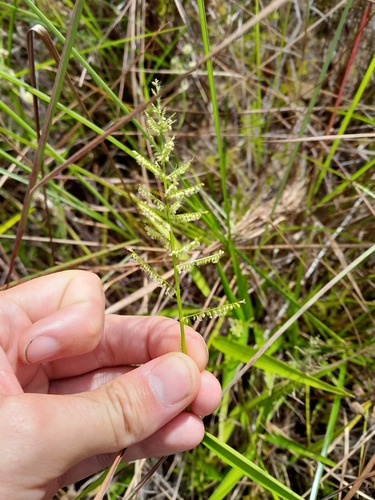
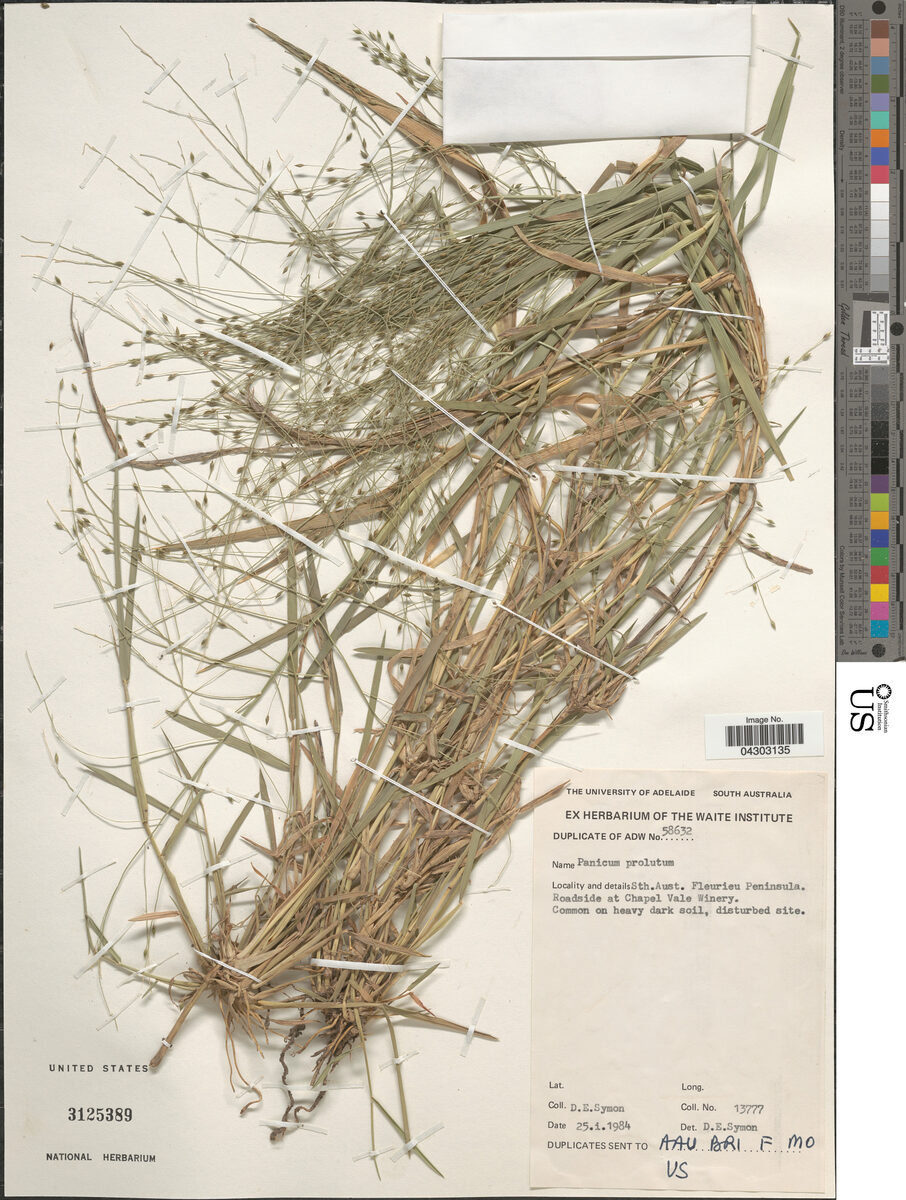
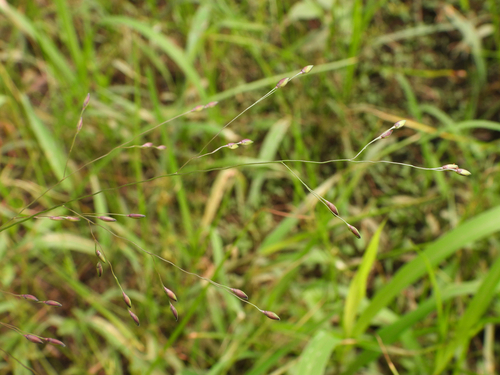
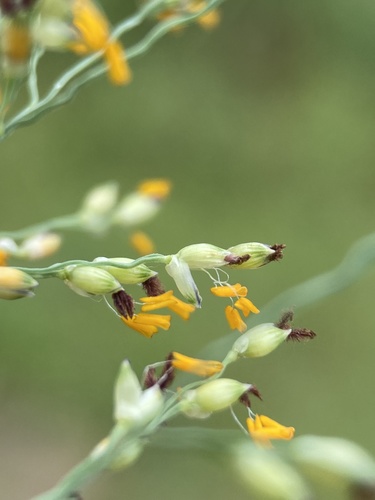
A grass which forms loose tussocks. It keeps growing from year to year. It grows 0.3-2.3 m high. The tussocks are 2 m across. The flowering stems are 20-100 cm high. The flowers are green and purple. The seed heads are pyramid shaped.
Edible Uses
The seeds are ground to make damper (a traditional bread).
Traditional Uses
The seeds are ground to make damper.
This uses section is brief — help expand it
Distribution
A tropical plant. It grows on a wide range of soils. It grows in the tropics and subtropics. It can grow in arid places.
Where It Grows
Australia*,
References (10)
- Cancilla, D., 2018, Ethnobotanical and Ethnozoological Values Desktop Assessment - Eliwana Project. p 15
- Hall, N. et al, 1972, The Use of Trees and Shrubs in the Dry Country of Australia, AGPS, Canberra. p 498
- Hiddins, L., 1999, Explore Wild Australia with the Bush Tucker Man. Penguin Books/ABC Books. p 163
- Kenneally, K.E., Edinger, D. C., and Willing T., 1996, Broome and Beyond, Plants and People of the Dampier Peninsula, Kimberley, Western Australia. Department of Conservation and Land Management. p 225
- Latz, P.K., 1996, Bushfires and Bushtucker: Aboriginal plant use in Central Australia. IAD Press Alice Springs p 290
Show all 10 references Hide references
- Lazarides, M. & Hince, B., 1993, Handbook of Economic Plants of Australia, CSIRO. p 241
- Paczkowska, G. & Chapman, A.R., 2000, The Western Australian Flora. A Descriptive Catalogue. Western Australian Herbarium. p 120
- Petheram, R.J. and Kok, B., 2003, Plants of the Kimberley Region of Western Australia. UWA Press p 241
- Wheeler, J.R.(ed.), 1992, Flora of the Kimberley Region. CALM, Western Australian Herbarium, p 1234
- World Checklist of Useful Plant Species 2020. Royal Botanic Gardens, Kew