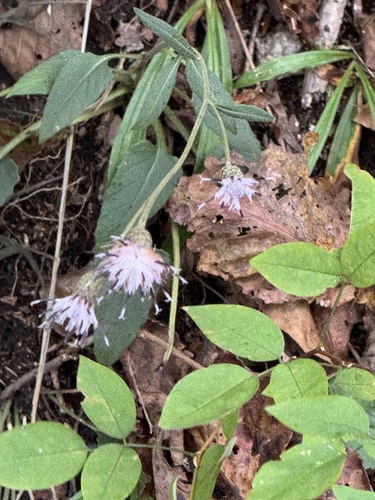
Artemisia sibirica
(L.) Maxim.
wikimedia· cc-by
Wikimedia Commons - Kevin Thiele from Perth, Australia
wikimedia· cc-by-sa
Wikimedia Commons - Krzysztof Ziarnek, Kenraiz
Summary
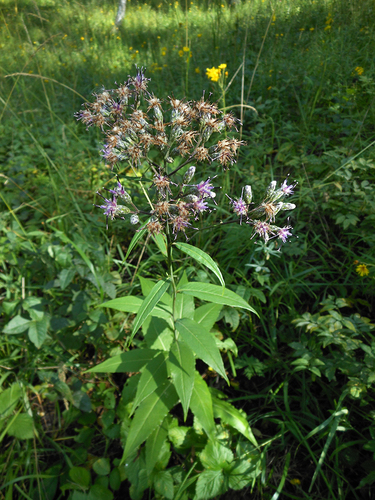
Perennial reaching 0.5 m tall, flowering from June to September with seeds maturing from July to September. Hermaphrodite flowers pollinated by insects. Suitable for light sandy, medium loamy, and heavy clay soils with preference for good drainage. Tolerates mildly acid, neutral, and basic soils. Requires full sun exposure and cannot grow in shade. Adapts to dry or moist soils with excellent drought tolerance.
Description
Perennial reaching 0.5 m tall, flowering from June to September with seeds maturing from July to September. Hermaphrodite flowers pollinated by insects. Suitable for light sandy, medium loamy, and heavy clay soils with preference for good drainage. Tolerates mildly acid, neutral, and basic soils. Requires full sun exposure and cannot grow in shade. Adapts to dry or moist soils with excellent drought tolerance.
Edible Uses
Edible Parts: Leaves Shoots Edible Uses: Young leaves and shoot tips - cooked.
Medicinal Uses
None known
Distribution
It is a temperate plant.
Where It Grows
Asia, China, Japan,
Propagation
Seed - surface sow from late winter to early summer in a greenhouse, making sure that the compost does not dry out. When large enough to handle, prick the seedlings out into individual pots and grow them on in the greenhouse for their first winter. Plant out in late spring or early summer. Division in spring or autumn. Basal cuttings in late spring. Harvest the young shoots when about10 - 15cm long, pot up in a lightly shaded position in a greenhouse or cold frame and plant them out when well rooted. Very easy.
Other Uses
None known Special Uses
Notes
There are about 300 Artemisia species.