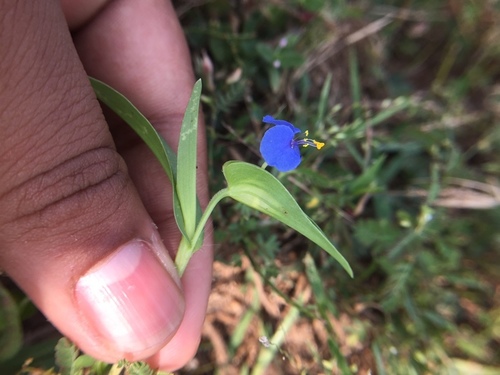
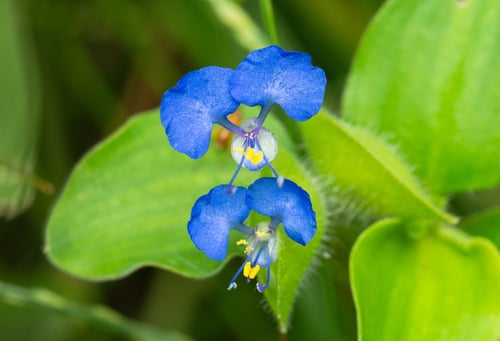
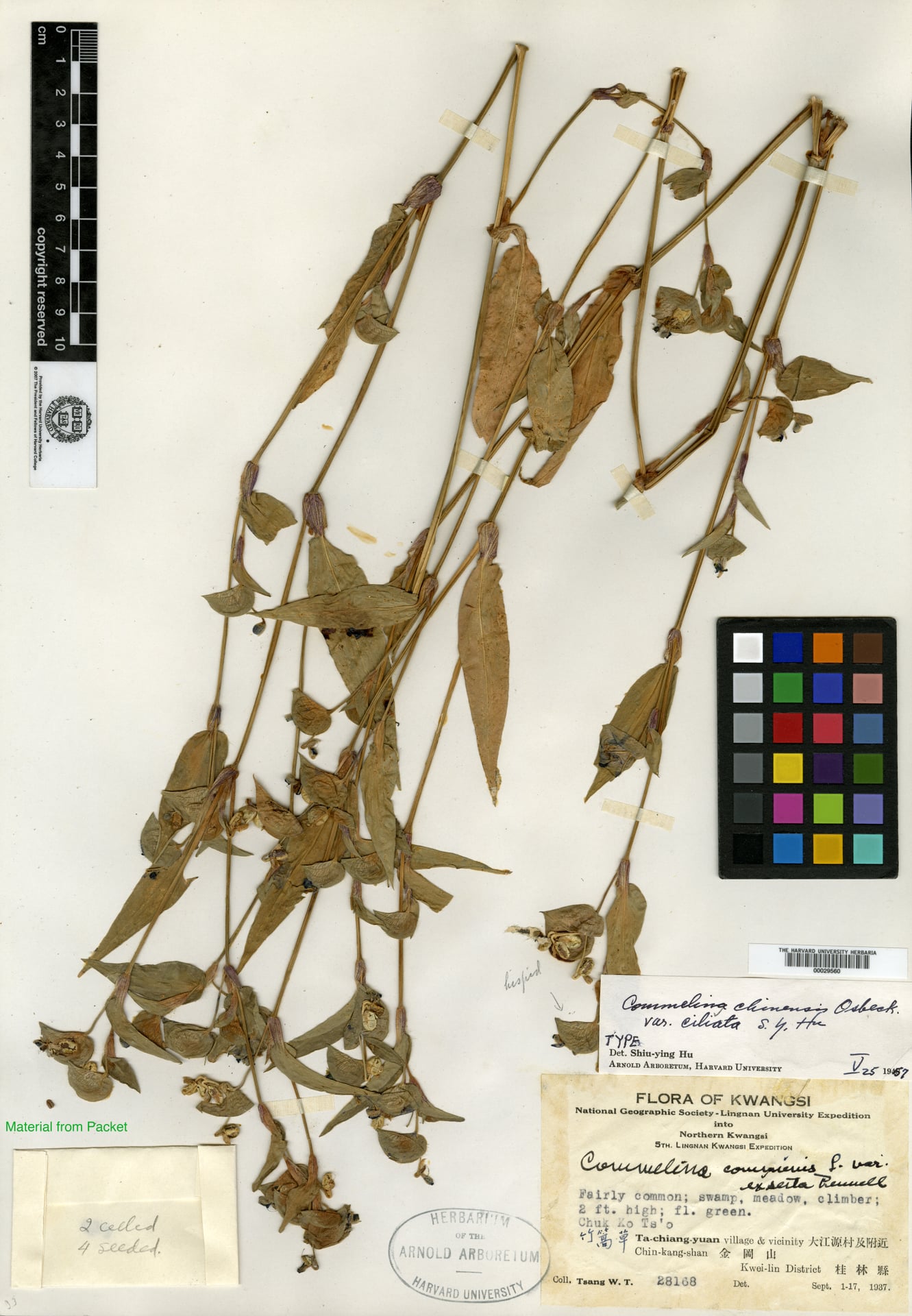
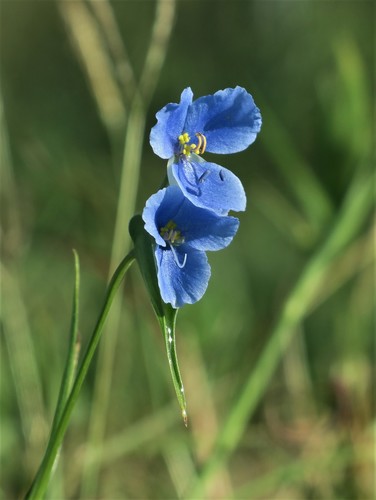
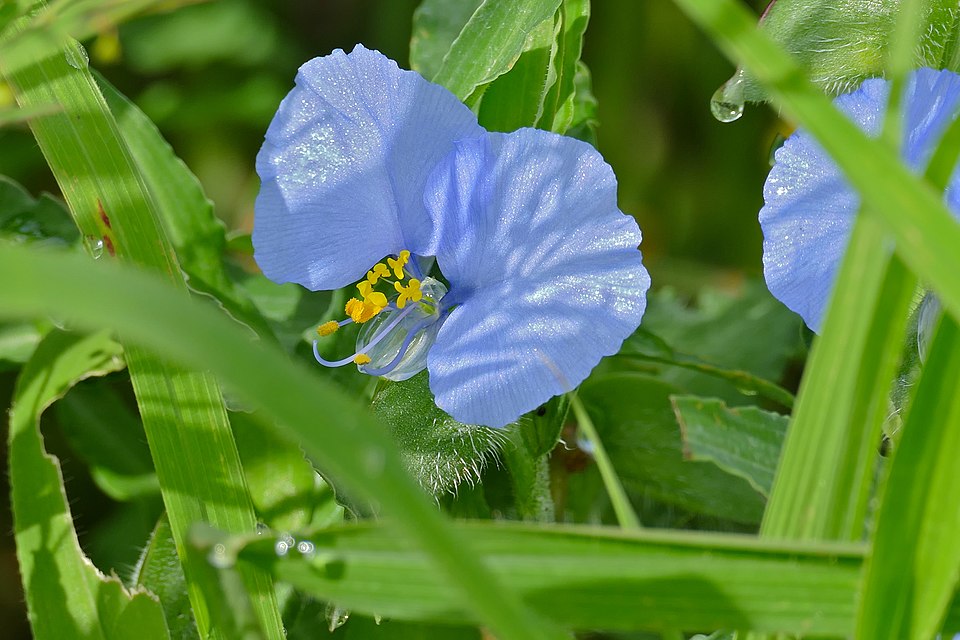
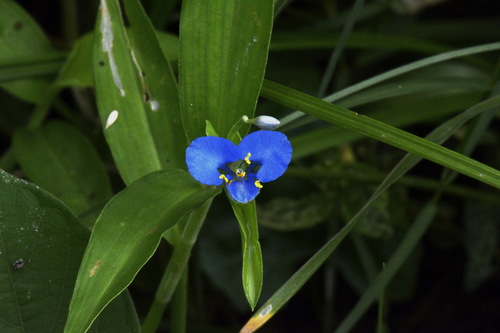
Tradescantia sp.
gbif· cc-by-nc
t_barrow
gbif· cc-by-nc
Paul Calderon
gbif· cc-by-nc
edelaquess
Description
A creeping herb of the Commelinaceae family found in temperate regions.
This description is brief — help expand it
Medicinal Uses
Native Americans used T. virginiana to treat a number of conditions, including stomachache. It was also used as a food source. The cells of the stamen hairs of some Tradescantia are colored blue, but when exposed to sources of ionizing radiation such as gamma rays or pollutants like sulphur dioxide from industries, the cells mutate and change color to pink; they are one of the few tissues known to serve as an effective bioassay for ambient radiation levels.
Known Hazards
Some members of the genus Tradescantia may cause allergic reactions in pets (especially cats and dogs) characterised by red, itchy skin. Notable culprits include T. albiflora (scurvy weed), T. spathacea (Moses in the cradle), and T. pallida (purple heart).
Distribution
It is a temperate plant.
Where It Grows
North America, USA,
Notes
There are about 65 Tradescantia species.
References (1)
- Beckstrom-Sternberg, Stephen M., and James A. Duke. "The Foodplant Database." http://probe.nalusda.gov:8300/cgi-bin/browse/foodplantdb.(ACEDB version 4.0 - data version July 1994)