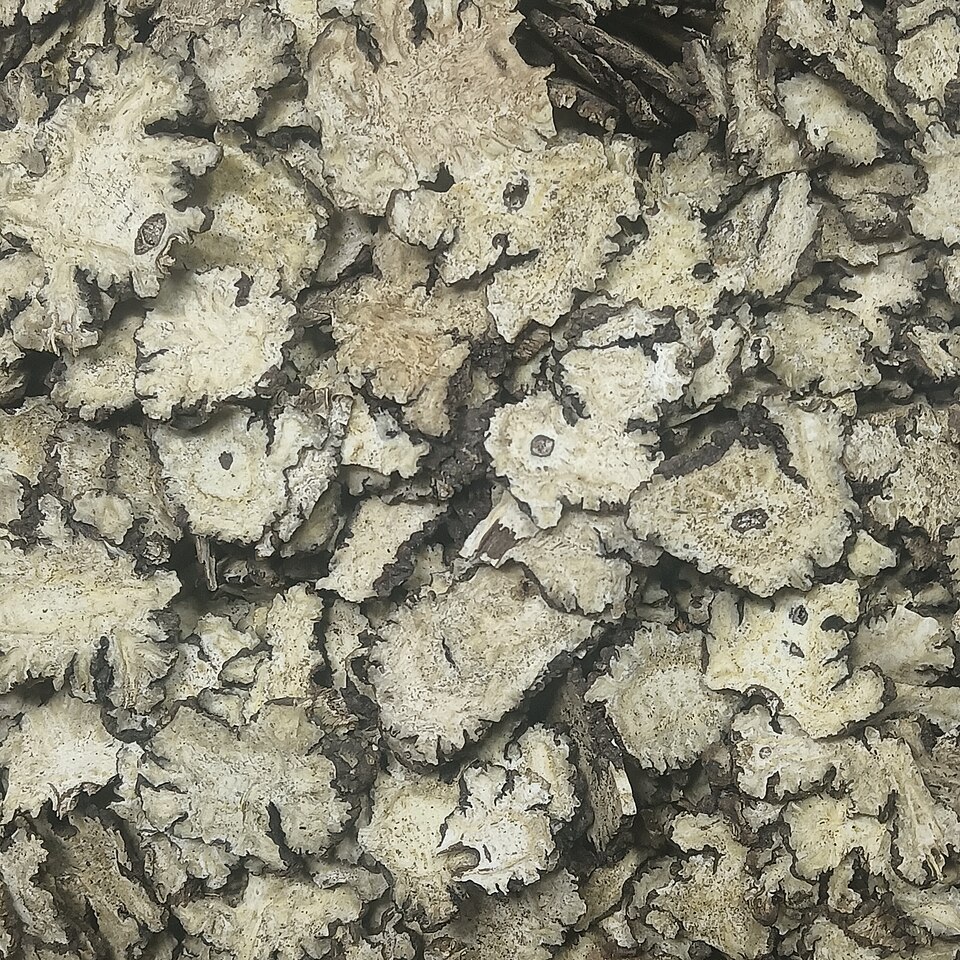
Trachymene incisa
Rudge
Wild parsnip
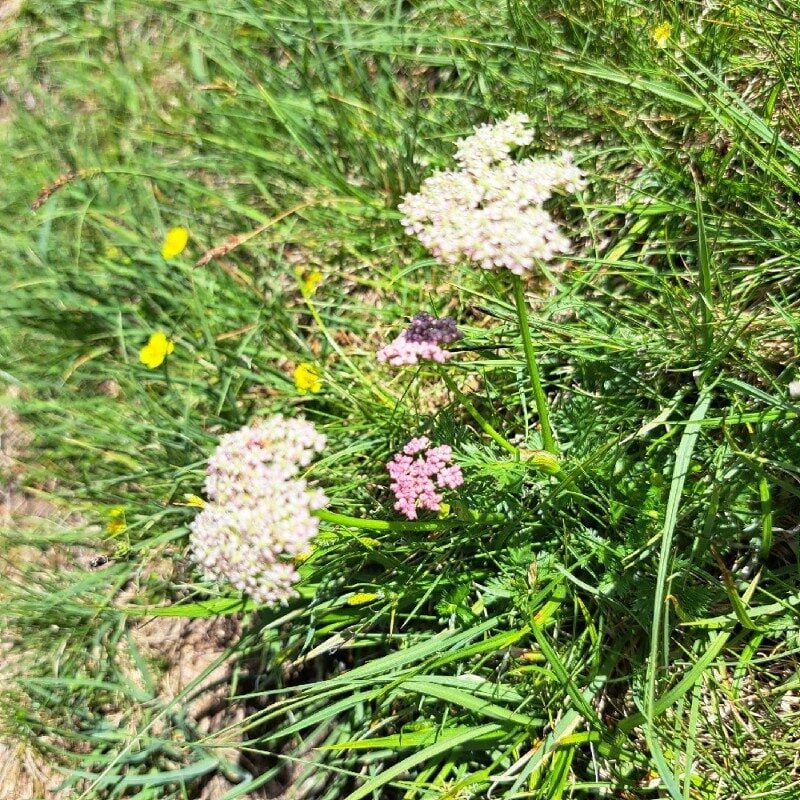
iNaturalist· cc-by-nc
(c) James Bailey, some rights reserved (CC BY-NC), uploaded by James Bailey
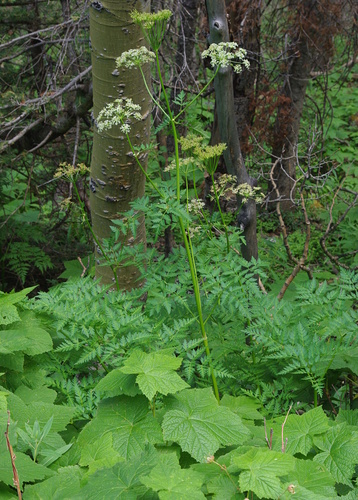
iNaturalist· cc-by-nc
(c) Chris Jonkers, some rights reserved (CC BY-NC)
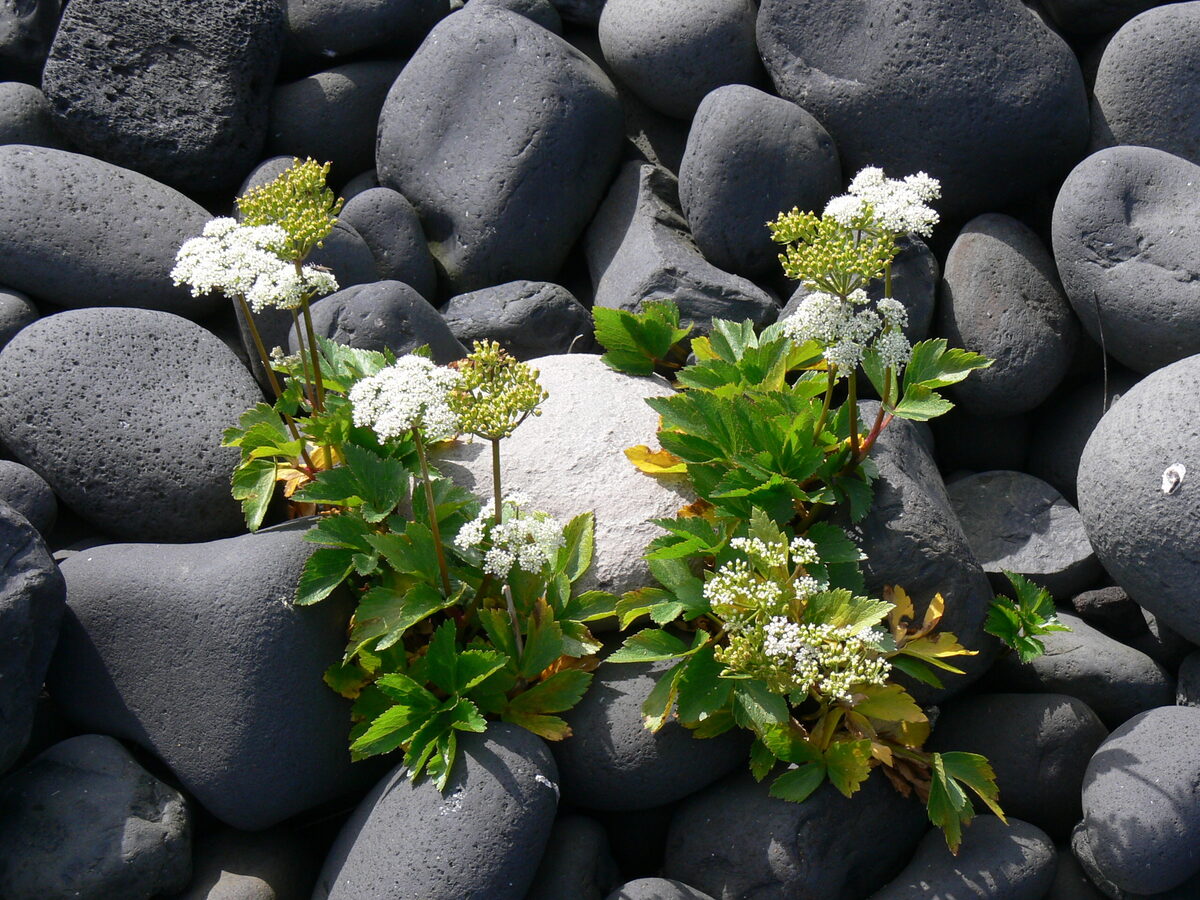
iNaturalist· cc-by-nc
(c) Chris Jonkers, some rights reserved (CC BY-NC)
Summary
Source: WikipediaTrachymene incisa, the wild parsnip, is a perennial herb native to eastern Australia growing in sclerophyll forest and cleared areas, with a preferences for sandy soils and rock crevices. Wild parsnip is 80 cm high with thick perennial rootstock and is sparsely hairy to almost hairless. The leaves mostly emerge form the base of the plant, and are deeply 3–5-lobed to dissected, 1.4–6.5 cm long and 1.5–8 cm wide, with petioles to 13 cm long. Flowers are produced in umbels. Petals 0.9–2.2 mm long, white or rarely pink. Fruit broad ovate, 2.4–3.6 mm long, and brown.
Description
A herb. It keeps growing from year to year. It grows 50 cm tall. It has a thick rootstock. The leaves are lobed and dissected. They are 2-4 cm wide. The arise from a deep fleshy taproot. The flowers are white. They are in heads on long wiry stems.
Edible Uses
The root can be eaten raw or cooked. It has a parsnip-like flavour and is eaten with pleasure.
Traditional Uses
The roots are cooked and eaten. They are also eaten raw.
This uses section is brief — help expand it
Medicinal Uses
None known.
Distribution
It is a temperate plant. It is best in sandy soils. It can grow in light shade including under eucalypts.
Where It Grows
Australia*,
Propagation
Seed.
Other Uses
None known.
Nutrition
| Part | Moisture | kJ | kcal | Protein | Vit A | Vit C | Iron | Zinc |
|---|---|---|---|---|---|---|---|---|
| Root | 86.2 | 100 | 24 | 2 | — | — | 4.1 | 1.4 |
References (7)
- Cherikoff V. & Isaacs, J., The Bush Food Handbook. How to gather, grow, process and cook Australian Wild Foods. Ti Tree Press, Australia p 197
- Cribb, A.B. & J.W., 1976, Wild Food in Australia, Fontana. p 154
- Lim, T. K., 2015, Edible Medicinal and Non Medicinal Plants. Volume 9, Modified Stems, Roots, Bulbs. Springer p 82
- Low, T., 1991, Wild Food Plants of Australia. Australian Nature FieldGuide, Angus & Robertson. p 111
- Plants for a Future database, The Field, Penpol, Lostwithiel, Cornwall, PL22 0NG, UK. http://www.scs.leeds.ac.uk/pfaf/
Show all 7 references Hide references
- White, G., 2008, The Bush Tucker Survival Guide. https://www.survival.org.au
- Williams, K.A.W., 1999, Native Plants of Queensland Volume 4. Keith A.W. Williams North Ipswich, Australia. p 372