Cirsium lipskyi
Petrak
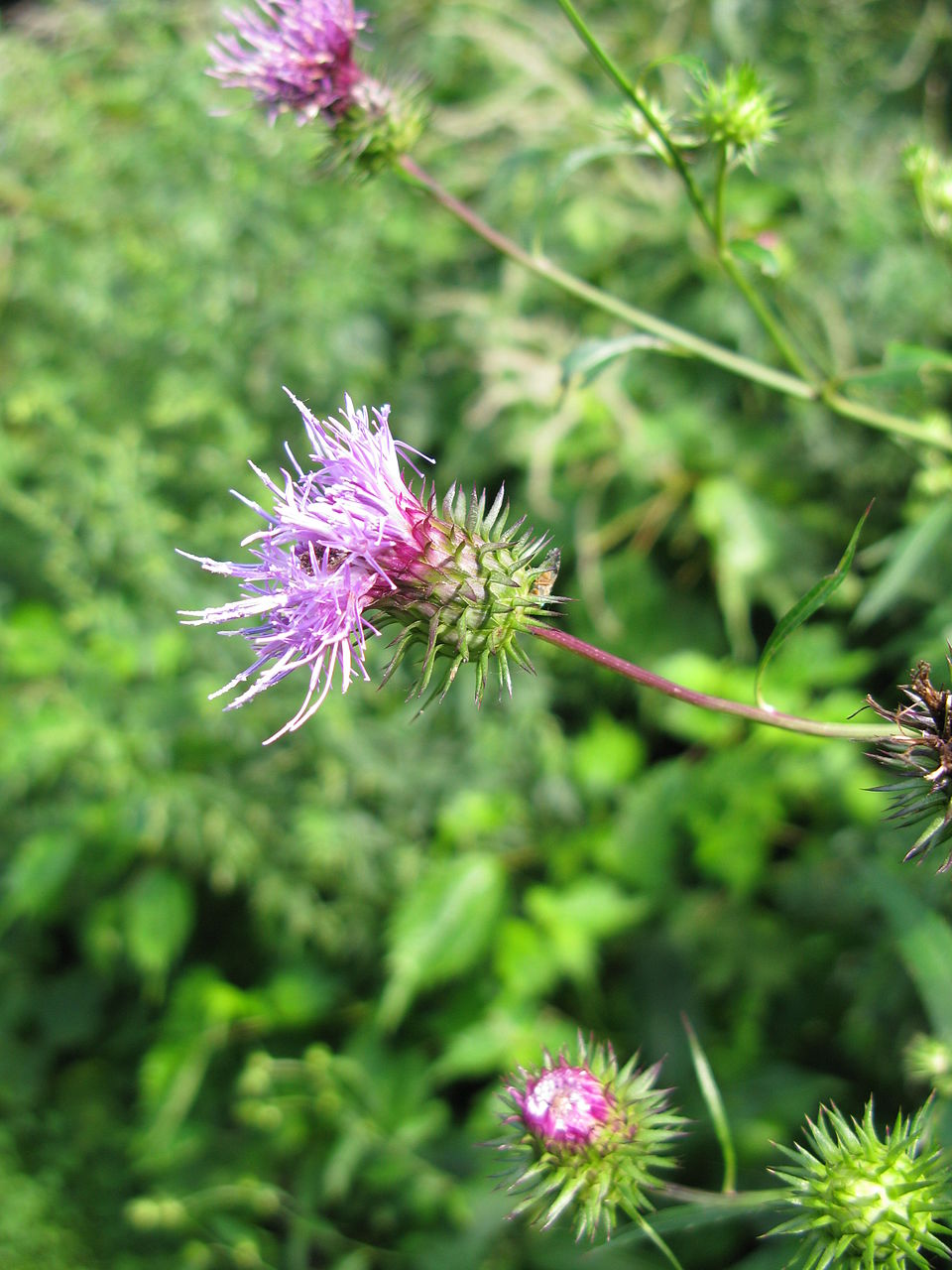
iNaturalist· cc-by-nc
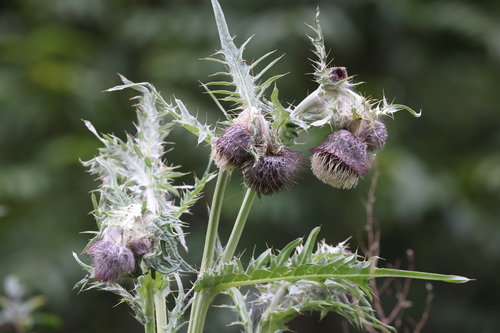
(c) Benoît Segerer, some rights reserved (CC BY-NC), uploaded by Benoît Segerer
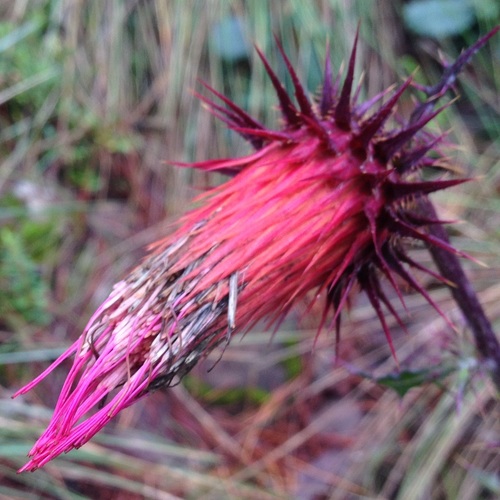
iNaturalist· cc-by-nc
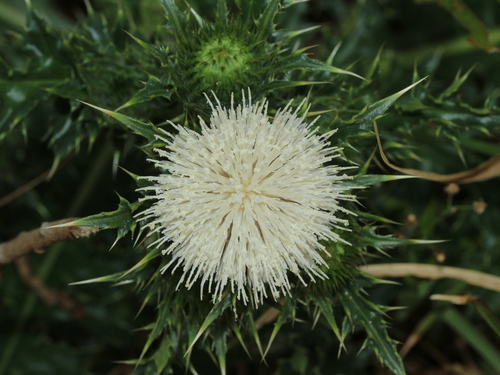
(c) Богданович Светлана, some rights reserved (CC BY-NC)
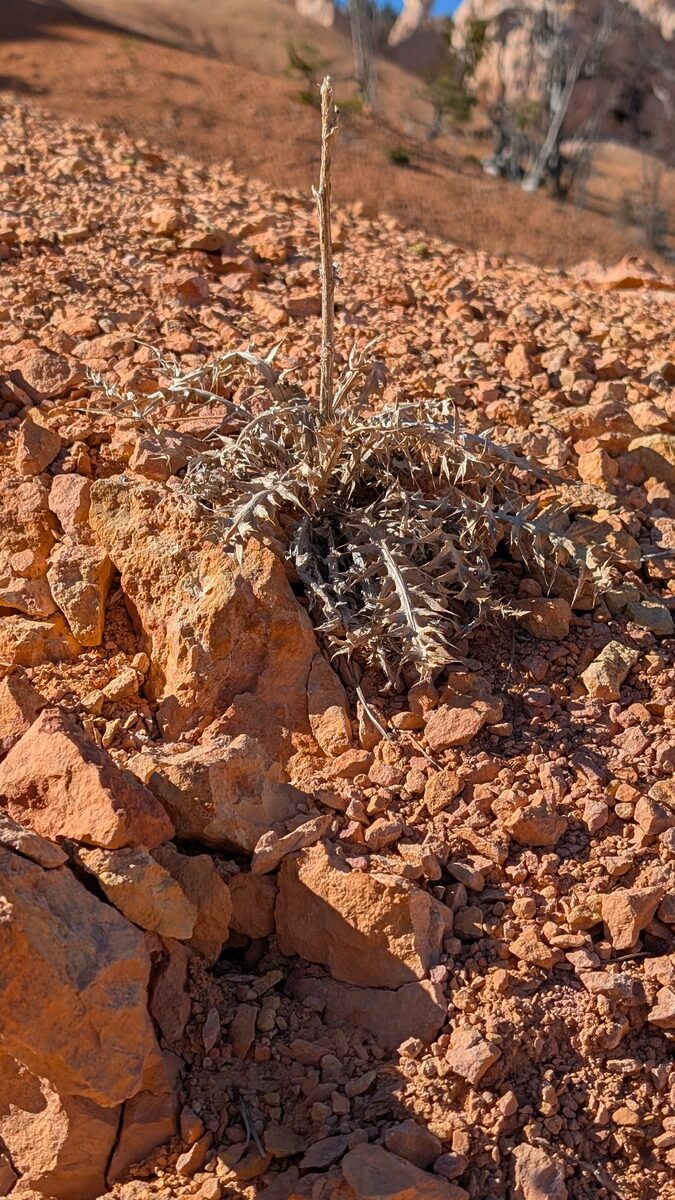
iNaturalist· cc-by-nc
(c) Богданович Светлана, some rights reserved (CC BY-NC)
Description
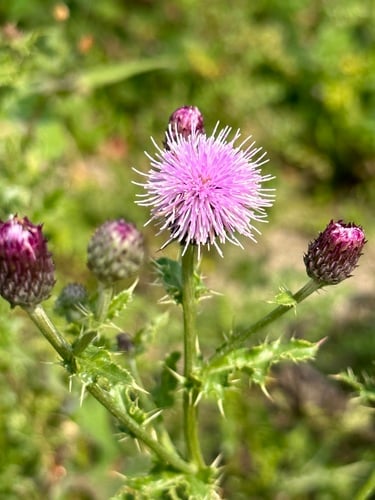
A herb. It is a thistle. The stem has a cottony coating. The leaves are 6-15 cm long. The flowers are in crowded heads. The seeds are oval and 4 angled.
Edible Uses
The young shoots and flowers are edible.
Traditional Uses
The young shoots are edible. The flowers are eaten.
This uses section is brief — help expand it
Distribution
It is a subtropical plant. It grows up to 1,800 m above sea level in Northeastern India.
Where It Grows
Asia, Himalayas, India, Northeastern India,
Notes
There are about 150-250 Cirsium species. They grow in temperate regions.
Synonyms
Also Known As
Soh-chiia, Soh-shiah, Tailobeo
References (7)
- Ambasta, S.P. (Ed.), 2000, The Useful Plants of India. CSIR India. p 126
- Plants for a Future database, The Field, Penpol, Lostwithiel, Cornwall, PL22 0NG, UK. http://www.scs.leeds.ac.uk/pfaf/
- Sawian, J. T., et al, 2007, Wild edible plants of Meghalaya, North-east India. Natural Product Radiance Vol. 6(5): p 414 (lepskyi)
- Singh, H.B., Arora R.K.,1978, Wild edible Plants of India. Indian Council of Agricultural Research, New Delhi. p 21, 81
- Singh, V. B., et al, (Ed.) Horticulture for Sustainable Income and Environmental Protection. Vol. 1 p 220
Show all 7 references Hide references
- Thothathri, K., & Pal, G.D., 1987, Further Contribution to the Ethnobotany of Subansiri District, Aranchal Pradesh. J. Econ. Tax. Bot. Vol. 10 No. 1 pp 149-157 (As Cnicus griffithii)
- Wild edible plants of Himachal Pradesh