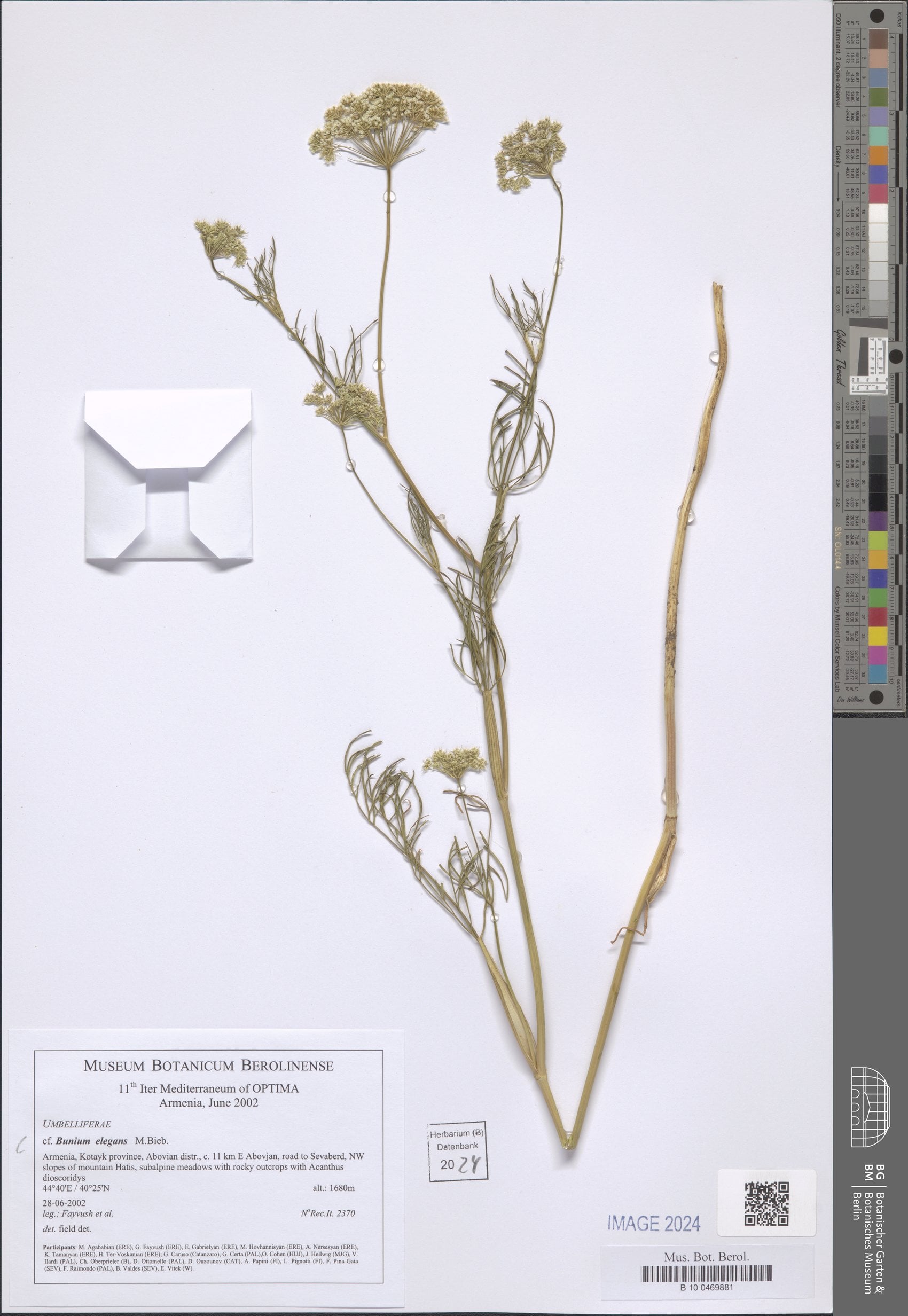
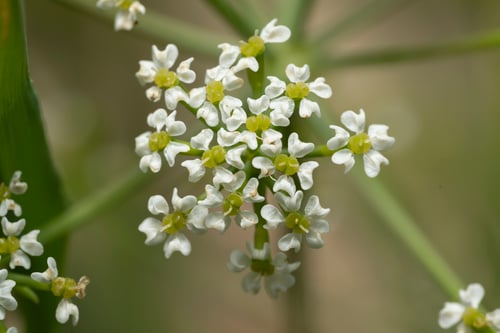
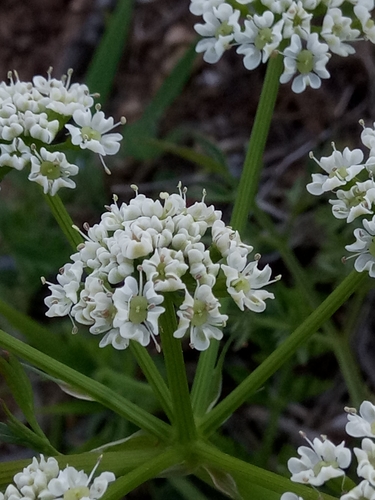
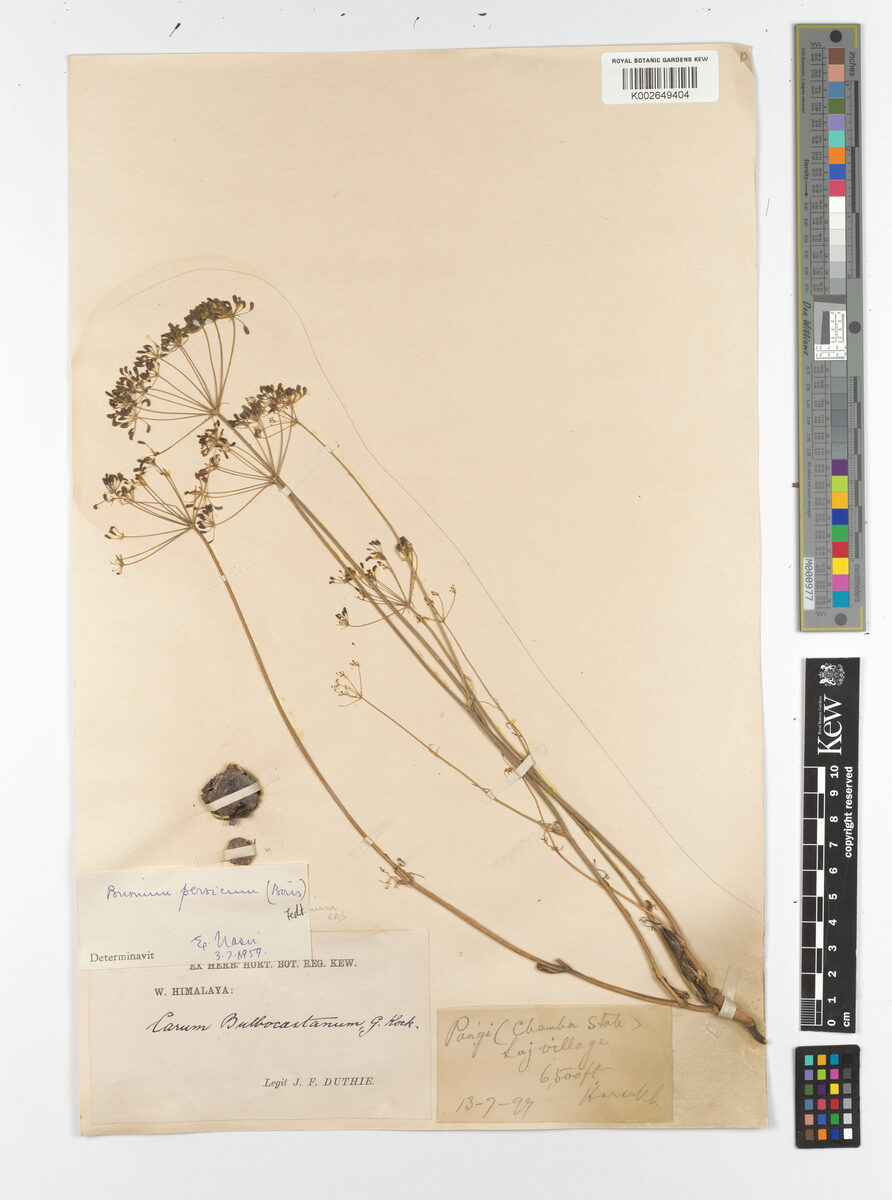
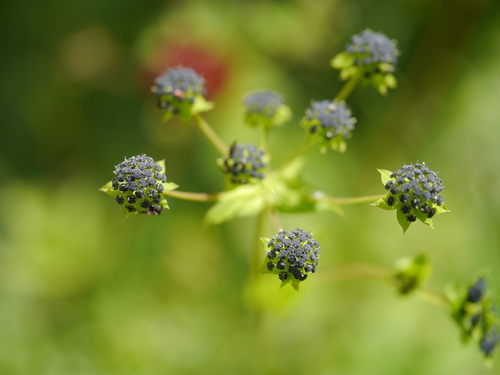
Torilis japonica
(Houtt.) DC.
Upright hedge parsley
iNaturalist· cc-by-nc
(c) kjsytsma, some rights reserved (CC BY-NC), uploaded by kjsytsma
iNaturalist· cc-by
(c) Patrick Hacker, some rights reserved (CC BY)
iNaturalist· cc-by
(c) Patrick Hacker, some rights reserved (CC BY)
Summary
Source: WikipediaTorilis japonica, the erect hedgeparsley, upright hedge-parsley or Japanese hedge parsley, is a herbaceous flowering plant species in the celery family Apiaceae. Japanese hedge parsley is considered both an annual and biennial plant depending on the biogeographical location. This means Japanese hedge parsley can complete its life cycle in either one or two growing seasons depending on habitat. Japanese hedge parsley is typically found in areas with disturbed soils, pastures, margins, open woodland, near waste sites, or right-of-way habitats. It can withstand a variety of habitats, thriving in partial and full shaded areas, but also withstanding habitats with full sunlight penetration. It is considered an aggressive invasive species in North America; invading a wide range of habitats due to its environmental tolerance and tendency to outcompete native vegetation. This species is considered a threat in several areas that causes problems relating to overall environmental health and stability. Aside from its environmental implications, T. japonica has potential to fight several cancers through a terpene it produces called Torilin, extracted from its fruits.
Description
A slender annual herb. It is erect and grows 20-80 cm tall. The stems are much branched. The leaves are oval. The leaf blade is 2-6 cm long and wide. There are 2 or 3 sets of leaflets. They have teeth. The flowers are white of pink. They are in loose groups at the top of the plant.
Edible Uses
Leaves are eaten cooked. The root is peeled and eaten raw. While there is no record confirming the seed is edible, it has been reported to contain 16–21% protein and 10–23% fat.
Traditional Uses
The young plants are gathered before flowering and used as a potherb.
This uses section is brief — help expand it
Medicinal Uses
The seed is anthelmintic, antifungal, antiviral, expectorant, and tonic. In Korea it is used in the treatment of amnesia, pruritis, acidosis, and scabies. The juice of the root is used to treat indigestion.
Distribution
It is a temperate plant. It grows in mixed forests and grassy places between 300-3,800 m in China.
Where It Grows
Africa, Asia, Bermuda, Britain, China, Europe, Haiti, India, Japan, Korea, Luxembourg, North America, West Indies,
Propagation
Seed is best sown in situ as soon as it is ripe. It can also be sown in spring.
Other Uses
None known.
Notes
There are about 12 Torilis species.
Synonyms
References (4)
- Altschul, S.V.R., 1973, Drugs and Foods from Little-known Plants. Notes in Harvard University Herbaria. Harvard Univ. Press. Massachusetts. no. 3141
- Hu, Shiu-ying, 2005, Food Plants of China. The Chinese University Press. p 607
- Plants of Haiti Smithsonian Institute http://botany.si.edu
- Prodr. 4:219. 1830