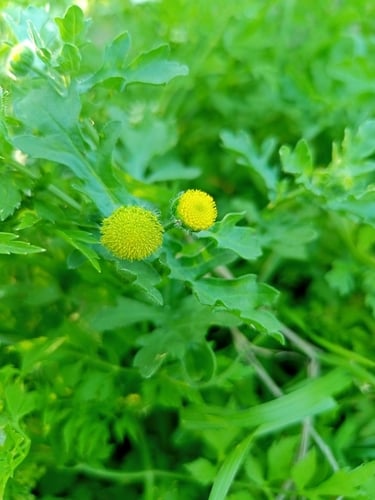
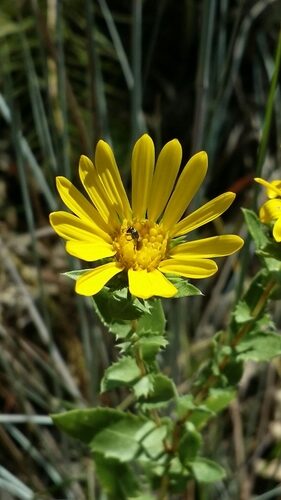
Artemisia dracunculus
L.
Tarragon, French Tarragon, Russian tarragon
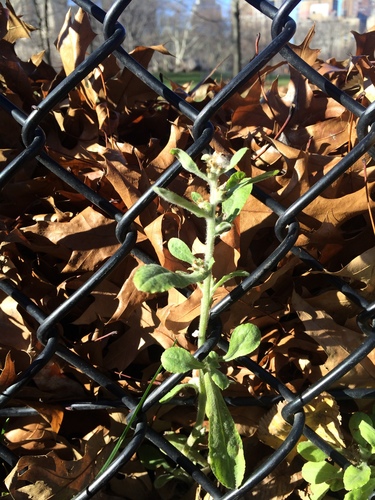
iNaturalist· cc-by
(c) Steve Matson, some rights reserved (CC BY), uploaded by Steve Matson
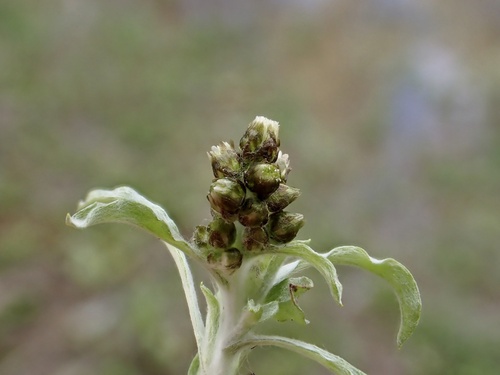
iNaturalist· cc-by-nc
(c) Ринат Султанов, some rights reserved (CC BY-NC), uploaded by Ринат Султанов
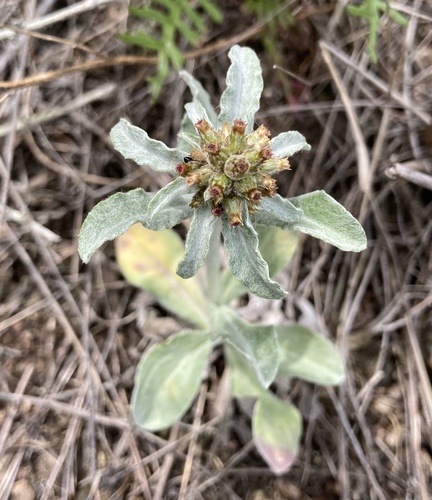
iNaturalist· cc-by-nc
(c) UnconventionalEmma, some rights reserved (CC BY-NC)
Summary
Source: WikipediaA perennial reaching 0.6 m tall and 0.3 m wide with medium growth rate. Flowers from June to August. Wind-pollinated, hermaphroditic, and self-fertile. Noted for attracting wildlife. Prefers light sandy and medium loamy well-drained soils with neutral to mildly alkaline pH. Grows in full sun or semi-shade, tolerates drought and both dry and moist soils. Hardy to UK zone 6.
Description
A bushy herb. It keeps growing from year to year. It grows 1.5 m high and spreads 90 cm high. The stalks are wiry and form a tangled mass. It can be 1 m high. The leaves are smooth, dark-green, glossy and narrow. They are 2.5-3.7 cm long. The leaves are opposite. The leaves have an aroma. The flowers are small and white. They are in round flower heads. These form long spikes. Often seed is not sett.
Edible Uses
Edible Parts: Leaves Shoots Edible Uses: Condiment Leaves excellent as seasoning — aromatic, reminiscent of culinary French tarragon. Seeds edible, ground into a nutty, oily flour or porridge. Highly praised by Goshiute (“pahwats”) as staple food [2-3]. Leaves - raw or used as a flavouring in soups etc. Tarragon is a commonly used herbal flavouring that is used in many traditional recipes. It is particularly of value because of its beneficial effect upon the digestion and so is often used with oily foods. The leaves can also be harvested in late summer and dried for later use. The aromatic leaves have a very nice flavour that is somewhat liquorice-like[183, K]. They make an excellent flavouring in salads. The young shoots can also be cooked and used as a potherb. The leaves are used as a flavouring in vinegar. An essential oil from the leaves is used as a flavouring.
Traditional Uses
CAUTION: The oil is poisonous. The oil can be extracted by oil distillation and used in flavouring. The leaves are used for their flavouring. They are used in salads, vegetable dishes, and for flavouring mayonnaise, jellies, vinegar and liqueurs. They are used to make alcoholic drinks. (Caution: Alcohol is a cause of cancer)
Medicinal Uses
Antiscorbutic Appetizer Diuretic Emmenagogue Febrifuge Hypnotic Odontalgic Stomachic Vermifuge Tarragon is a bitter warming aromatic herb that stimulates the digestive system and uterus, lowers fevers and destroys intestinal worms. It is little used in modern herbalism, though it is sometimes employed as an appetizer. The leaves (and an essential oil obtained from them) are antiscorbutic, diuretic, emmenagogue, hypnotic and stomachic. An infusion is used in the treatment of indigestion, flatulence, nausea, hiccups etc. The plant is mildly sedative and has been taken to aid sleep. It also has mild emmenagogue properties and can be used to induce a delayed period. A poultice can be used to relieve rheumatism, gout, arthritis and toothache. The plant is harvested in the summer and can be dried for later use. This herb should not be prescribed for pregnant women. The root has been used to cure toothache. The essential oil is used in aromatherapy to treat digestive and menstrual problems.
Known Hazards
Although no reports of toxicity have been seen for this species, skin contact with some members of this genus can cause dermatitis or other allergic reactions in some people.
Distribution
It is a temperate plant. It does best in well drained soil and a sunny position. It cannot tolerate frost. In the Himalayas it grows between 2,700-4,700 m altitude. It is often in stony places. It suits hardiness zones 5-9. It the tropics it is grown in mountainous regions.
Where It Grows
Afghanistan, Africa, Alaska, Asia, Australia, Britain, Canada, Caucasus, Central Asia, China, Cuba, Egypt, Europe, France, Georgia, Hawaii, *Himalayas, India, Indonesia, Iran, Italy, Kazakhstan, Mediterranean, Middle East, Mongolia, New Zealand, North Africa, North America, Pakistan, Philippines, Russia*, SE Asia, Serbia, Siberia, Slovenia, South Africa, Southern Africa, Switzerland, Tajikistan, Tasmania, Tibet, Turkey, Türkiye, USA, West Indies,
Cultivation
Easily grown in a well-drained circumneutral or slightly alkaline loamy soil, preferring a warm sunny dry position. Plants are not very long-lived when grown in clay soils. Plants are longer lived, more hardy and more aromatic when they are grown in a poor dry soil. Established plants are drought tolerant. Tolerates a pH in the range 6.5 to 7.8. Plants are relatively hardy in Britain, but can be killed in wet winters. It is best to grow tarragon in a dry, rather poor soil since this will produce hardier plants. The dry soil will also help to reduce predation by slugs, these creatures are very fond of the young growth and have been known to completely destroy even well-established plants. When well suited, the plants can spread freely at the roots. The flowers do not open in cool summers and viable seed is seldom produced. Often grown in the herb garden, tarragon is also sometimes grown commercially for its edible leaves which are used mainly as a flavouring. There is at least one named variety, 'Epicure' is a new fragrant cultivar. There is a closely related species, A. dracunculoides or Russian tarragon, which is quite inferior in flavour, though sometimes supplied under this name. A good companion for most plants, especially aubergines and sweet peppers. Members of this genus are rarely if ever troubled by browsing deer. The aerial parts can be harvested in summer when they are in full bloom, while roots can be harvested in autumn. Artemisia typically flowers in summer. Artemisia species can vary in growth rate, but many are moderately fast-growing, reaching maturity within 1-2 years under optimal conditions.
Propagation
Seed - surface sow from late winter to early summer in a greenhouse. Fertile seed is rarely produced from this plant - most if not all seed supplied under this name is of the inferior form, Russian tarragon (A. dracunculoides). Therefore, it is best to only propagate by division. Division is very easy in spring or autumn. The divisions can be planted out direct into their permanent positions, though we prefer to pot them up first and grow them on in a cold frame until they have rooted well. Basal cuttings in late spring. Harvest young shoots about 10 - 15c long and pot them up in a lightly shaded place in a greenhouse or cold frame. Plant them out into their permanent positions when well rooted. A very quick and easy method of propagation.
Other Uses
Essential Repellent Agroforestry uses: Artemisia species are often used for soil improvement, as ground cover, and in companion planting due to their pest-repellent properties. Some species are also used for erosion control. The leaves contain about 0.3% essential oil, about 70% of which is methyl chivacol. This is used as a food flavouring, in detergents and also medicinally. Both the growing and the dried plant repels insects. Landscape Uses: Container, Seashore. Special Features: Edible, Fragrant foliage, Not North American native, Inconspicuous flowers or blooms. Provides shelter for beneficial invertebrates: insects and other arthropods. A specialist nectary plant [1-2]. 1. Nectary - Flowers rich in nectar and pollen: Yes – Artemisia species produce flowers that can provide nectar and pollen, attracting various pollinators, including bees. 2. Wildlife - Food (Fruit, Seeds, Leaf litter, Shelter, Nesting, Roosting): Yes – The leaves of some Artemisia species are consumed by various insects and herbivores. Additionally, the plant can provide cover for small wildlife. 3. Invertebrate Shelter (Overwintering sites, Leaf litter, Groundcover): Yes – The dense foliage can offer shelter and overwintering sites for beneficial insects, and the leaf litter can provide habitat for various invertebrates. 4. Pest Confuser (Smell): Yes – Many Artemisia species are aromatic and can confuse or repel pests due to their strong scent, which may deter some insects. Special Uses Attracts Wildlife Food Forest Scented Plants
Production
The leaves can be dried and stored. Stems are cut and hung in a dark location with good air circulation then the leaves are removed after a few days.
Other Information
It is a commercially cultivated vegetable.
Notes
There are about 300 Artemisia species.
Nutrition
| Part | Moisture | kJ | kcal | Protein | Vit A | Vit C | Iron | Zinc |
|---|---|---|---|---|---|---|---|---|
| Leaves - dried | 7.7 | 1236 | 296 | 22.8 | 420 | 50 | 32.3 | 3.9 |
| Seeds - flavour | — | — | — | — | — | — | — | — |
Synonyms
Also Known As
Dragon mugwort, Estragon, Pehtran, T'arkhuna
References (45)
- Abbet, C., et al, 2014, Ethnobotanical survey on wild alpine food plants in Lower and Central Valais (Switzerland). Journal of Ethnopharmacology 151 (2014) 624–634
- Ambasta S.P. (Ed.), 2000, The Useful Plants of India. CSIR India. p 55
- Bircher, A. G. & Bircher, W. H., 2000, Encyclopedia of Fruit Trees and Edible Flowering Plants in Egypt and the Subtropics. AUC Press. p 42
- Bodkin, F., 1991, Encyclopedia Botanica. Cornstalk publishing, p 104
- Bremness, L., 1994, Herbs. Collins Eyewitness Handbooks. Harper Collins. p 151
Show all 45 references Hide references
- Brickell, C. (Ed.), 1999, The Royal Horticultural Society A-Z Encyclopedia of Garden Plants. Convent Garden Books. p 140
- Brouk, B., 1975, Plants Consumed by Man. Academic Press, London. p 329
- Brown, D., 2002, The Royal Horticultural Society encyclopedia of Herbs and their uses. DK Books. p 133
- Burnie, G & Fenton-Smith, J., 1999, A Grower's Guide to Herbs. Murdoch Books. p 68
- Bussman, R. W., et al, 2016, A comparative ethnobotany of Khevsureti, Samtskhe-Javakheti, Tusheti, Svaneti, and Racha-Lechkhumi, Republic of Georgia (Sakartvelo), Caucasus. Journal of Ethnobiology and Ethnomedicine (2016) 12:4
- Bussman, R. W. et al, 2017, Ethnobotany of Samtskhe-Javakheti, Sakartvelo (Republic of Georgia), Caucasus. Indian Journal of Traditional Knowledge Vol. 16(1) pp 7-24
- Bussman, R. W., et al, 2021, Unity in diversity—food plants and fungi of Sakartvelo (Republic of Georgia), Caucasus. Journal of Ethnobiology and Ethnomedicine (2021) 17:72 p 6
- Cheifetz, A., (ed), 1999, 500 popular vegetables, herbs, fruits and nuts for Australian Gardeners. Random House p 118
- Cundall, P., (ed.), 2004, Gardening Australia: flora: the gardener's bible. ABC Books. p 190
- Ertug, F, Yenen Bitkiler. Resimli Türkiye Florası -I- Flora of Turkey - Ethnobotany supplement
- Esperanca, M. J., 1988. Surviving in the wild. A glance at the wild plants and their uses. Vol. 2. p 270
- Facciola, S., 1998, Cornucopia 2: a Source Book of Edible Plants. Kampong Publications, p 33
- Hadfield, J., 2001, The A-Z of Vegetable Gardening in South Africa. Struik p 135
- Hedrick, U.P., 1919, (Ed.), Sturtevant's edible plants of the world. p 74
- Hemphill, I, 2002, Spice Notes. Macmillan. p 387
- Hibbert, M., 2002, The Aussie Plant Finder 2002, Florilegium. p 33
- Jackes, D. A., Edible Forest Gardens
- Kays, S. J., and Dias, J. C. S., 1995, Common Names of Commercially Cultivated Vegetables of the World in 15 languages. Economic Botany, Vol. 49, No. 2, pp. 115-152 (As var. sativa)
- Kiple, K.F. & Ornelas, K.C., (eds), 2000, The Cambridge World History of Food. CUP p 434, 1866
- Kybal, J., 1980, Herbs and Spices, A Hamlyn Colour Guide, Hamlyn Sydney p 48
- MacKinnon, A., et al, 2009, Edible & Medicinal Plants of Canada. Lone Pine. p 370
- Martin, F.W. & Ruberte, R.M., 1979, Edible Leaves of the Tropics. Antillian College Press, Mayaguez, Puerto Rico. p 105, 184
- Miguel, E., et al, 1989, A checklist of the cultivated plants of Cuba. Kulturpflanze 37. 1989, 211-357
- Mulherin, J., 1994, Spices and natural flavourings. Tiger Books, London. p 100
- Obolskiy, D., Pischel, I., Feistel, B., Glotov, N., & Heinrich, M., 2011, Artemisia dracunculus L. (Tarragon): A critical review of its traditional use, chemical composition, pharmacology, and safety. Journal of Agricultural and Food Chemistry 59, pp. 11369-11380.
- Peter, K. V. (Ed.), 2004, Handbook of Herbs and Spices Vol. 2 Woodhead Publishing and CRC Press. p
- Petkova, N., et al, 2019, Fructans and antioxidants in leaves of culinary herbs from Asteraceae and Amaryllidaceae families. Food Research 3 (5) : 407 - 415
- Plants for a Future database, The Field, Penpol, Lostwithiel, Cornwall, PL22 0NG, UK. http://www.scs.leeds.ac.uk/pfaf/
- Polunin, O., & Stainton, A., 2006, Flowers of the Himalaya, Oxford India Paperbacks. p 194
- Seidemann J., 2005, World Spice Plants. Economic Usage, Botany, Taxonomy. Springer. p 53
- Sharma, L. et al, 2018, Diversity, distribution pattern, endemism and indigenous uses of wild edible plants in Cold Desert Biosphere Reserve of Indian Trans Himalaya. Indian Journal of Traditional Knowledge. Vol 17(1) January 2018 pp 122-131
- Sp. pl. 2:849. 1753
- Staples, G.W. and Herbst, D.R., 2005, A tropical Garden Flora. Bishop Museum Press, Honolulu, Hawaii. p 154
- Terra, G.J.A., 1973, Tropical Vegetables. Communication 54e Royal Tropical Institute, Amsterdam, p 25
- Trendafilova, A., et al, 2020, Research Advances on Health Effects of Edible Artemisia Species and Some Sesquiterpene Lactones Constituents. Foods 2021, 10, 65. p 4
- Ulian, T., et al, 2020, Unlocking plant resources to support food security and promote sustainable agriculture. Plants, People, Planet. 2020;2:421–445.
- Urgamal, M., Oyuntsetseg, B., Nyambayar, D. & Dulamsuren, Ch. 2014. Conspectus of the vascular plants of Mongolia. (Editors: Sanchir, Ch. & Jamsran, Ts.). Ulaanbaatar, Mongolia. “Admon“ Press. 334pp. (p. 199-230).
- van Wyk, B., 2005, Food Plants of the World. An illustrated guide. Timber press. p 74
- Wilson, S., 1997, Some Plants are Poisonous. Reed. p 23
- Zeven, A. C. & de West, J. M. J., 1982, Dictionary of cultivated plants and their regions of diversity. Wageningen. p 82