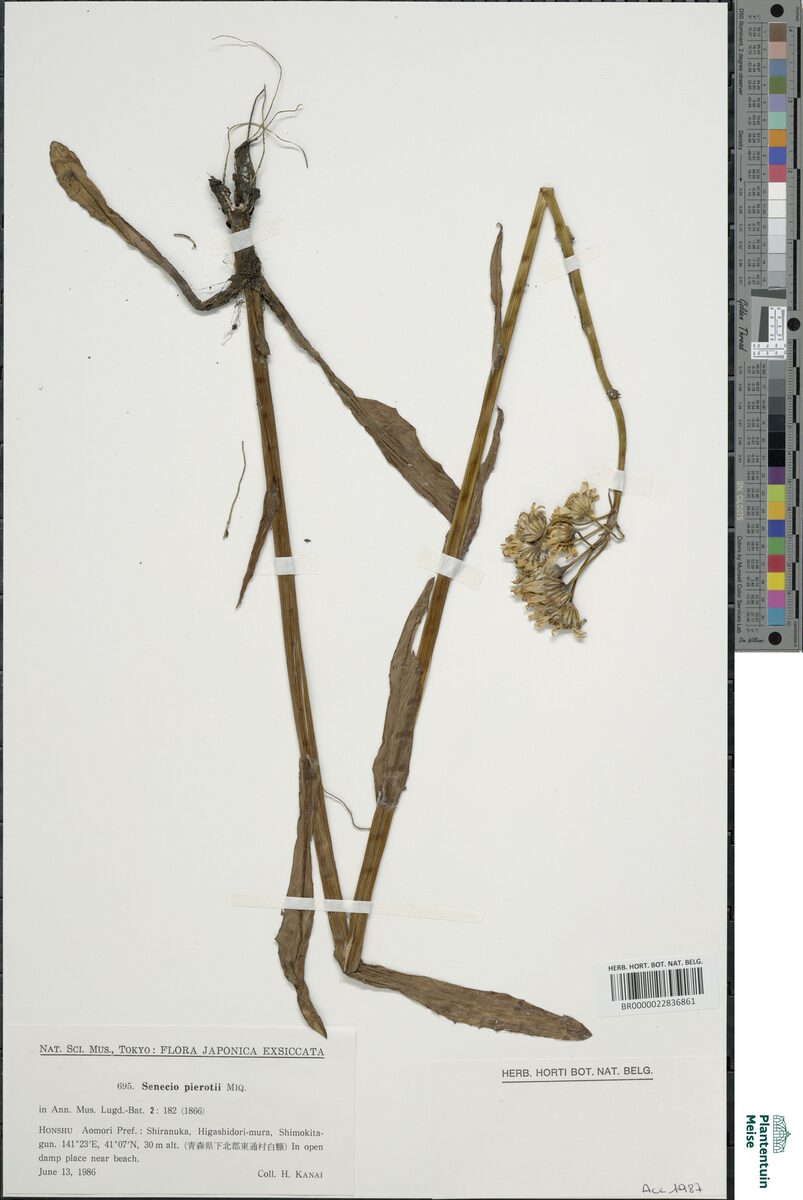
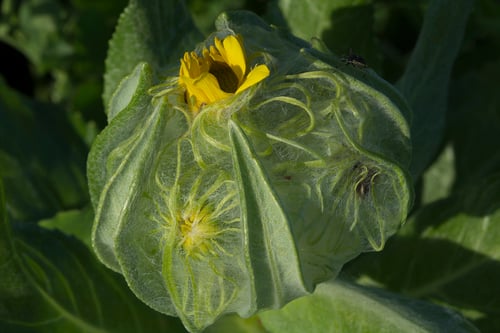
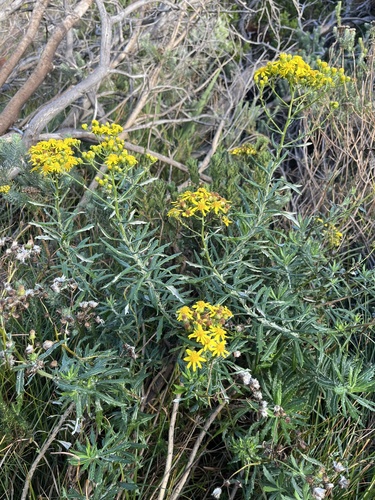
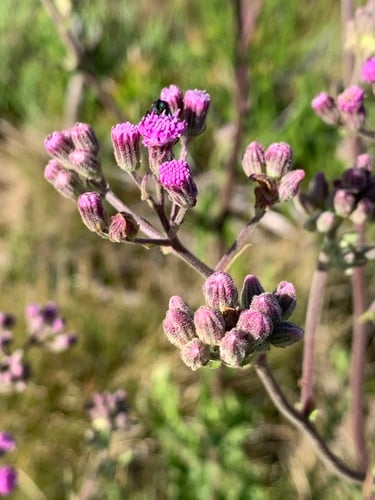
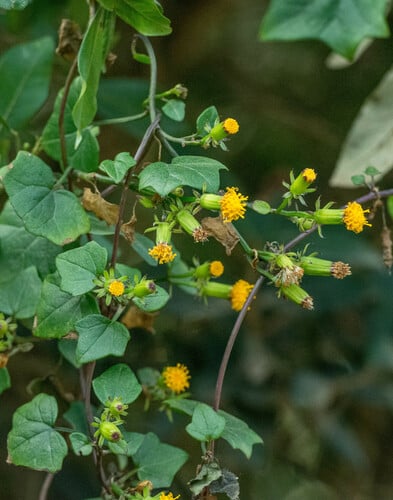
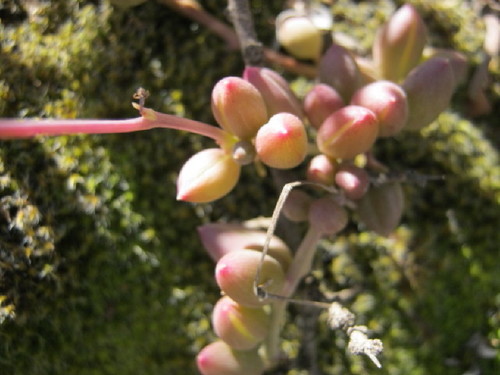
Achillea sibirica
Ledeb. ?Kitamura
Siberian yarrow
iNaturalist· cc-by-nc
(c) hulia, some rights reserved (CC BY-NC)
iNaturalist· cc-by-nc
(c) hulia, some rights reserved (CC BY-NC)
iNaturalist· cc-by-nc
(c) Alla Verkhozina, some rights reserved (CC BY-NC)
Summary
A perennial growing to 0.5 m tall and wide, flowering July to September with seeds ripening August to September. Hermaphroditic, pollinated by insects. Tolerates light, medium, and heavy soils with good drainage and poor fertility. Grows in mildly acid, neutral, or alkaline soils. Requires full sun and adapts to dry or moist conditions. Hardy to UK zone 6 and tolerates maritime exposure.
Description
A shrub or small tree. It grows 5 m tall. There are prickles along the stem. The leaves are twice divided and there are 8-18 pairs of pinnae. There are up to 50 pairs of pinnules on each pinnae. The flowers are yellow. They are in large clusters at the ends of branches. The pods are flattened.
Edible Uses
Young shoots and leaves are edible when cooked.
Traditional Uses
The young leaves and shoots are cooked and eaten. The flowers are used in herbal teas and lemonade. They are also fried in butter and sprinkled with sugar or orange juice.
Medicinal Uses
The whole plant is antibacterial, anti-inflammatory, carminative, diaphoretic, emmenagogue, odontalgic, stomachic and tonic. A decoction is used in the treatment of abscesses, abdominal cramps, amenorrhoea, bleeding, falls, snakebite and stomach ulcers. A poultice of the chewed root can be applied to gum sores.
Distribution
A temperate plant. It suits well drained soils in a sunny position. It suits hardiness zones 3-9.
Where It Grows
Alaska, Asia, Australia, China, Japan, Korea, North America, Siberia, USA,
Cultivation
It can be grown by dividing the rootstock. It is grown from seed. Seed germinate in 1-3 months. Seedlings can be transplanted. Plants can be grown from cuttings.
Propagation
Seed - sow in spring or early autumn in a cold frame. Germination usually takes 1–3 months. Prick seedlings out into individual pots when large enough to handle and plant out in summer. Division in spring or autumn is very easy; divisions can be planted directly into permanent positions. Basal cuttings of new shoots can be taken in spring — collect shoots when about 10cm tall, pot individually and keep in a warm but lightly shaded position. They should root within 3 weeks and be ready to plant out in summer.
Other Uses
None known.
Notes
There are about 85-100 Achillea species. They are temperate in Europe and Asia.
Synonyms
Also Known As
Chinese yarrow, Nokogiri-sou, Pulgunt'opul
References (5)
- Cundall, P., (ed.), 2004, Gardening Australia: flora: the gardener's bible. ABC Books. p 91
- Fl. ross. 2(2):528. 1845 (Index sem. hort. Dorpat. 1811, nom. nud.)
- Holloway, P. S. & Alexander, G., 1990, Ethnobotany of the Fort Yukon Region, Alaska. Economic Botany, Vol. 44, No. 2 pp. 214-225
- Pemberton, R. W. & Lee, N. S., 1996, Wild Food Plants in South Korea: Market Presence, New Crops, and Exports to the United States. Economic Botany, Vol. 50, No. 1, pp. 57-70
- Plants for a Future database, The Field, Penpol, Lostwithiel, Cornwall, PL22 0NG, UK. http://www.scs.leeds.ac.uk/pfaf/