Terminalia glabrata
Forst.f.
iNaturalist· pd
Bailey, Frederick Manson, 1827-1915, no known copyright restrictions (public domain)
wikimedia· cc-by-sa
Wikimedia Commons - Hend hendra
wikimedia· cc-by-sa
Wikimedia Commons - DARMAS SB 9
Summary
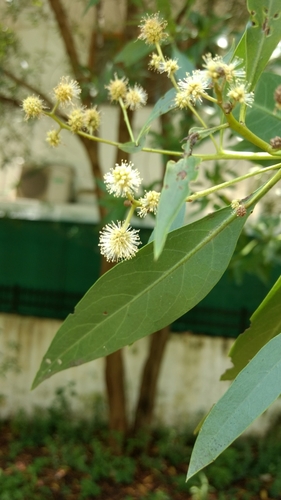
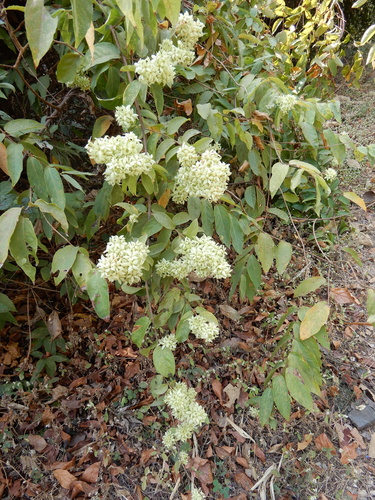
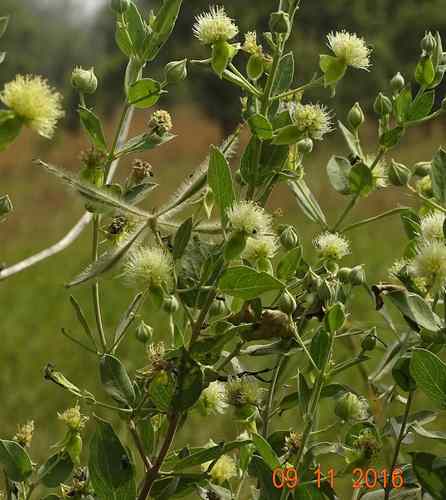
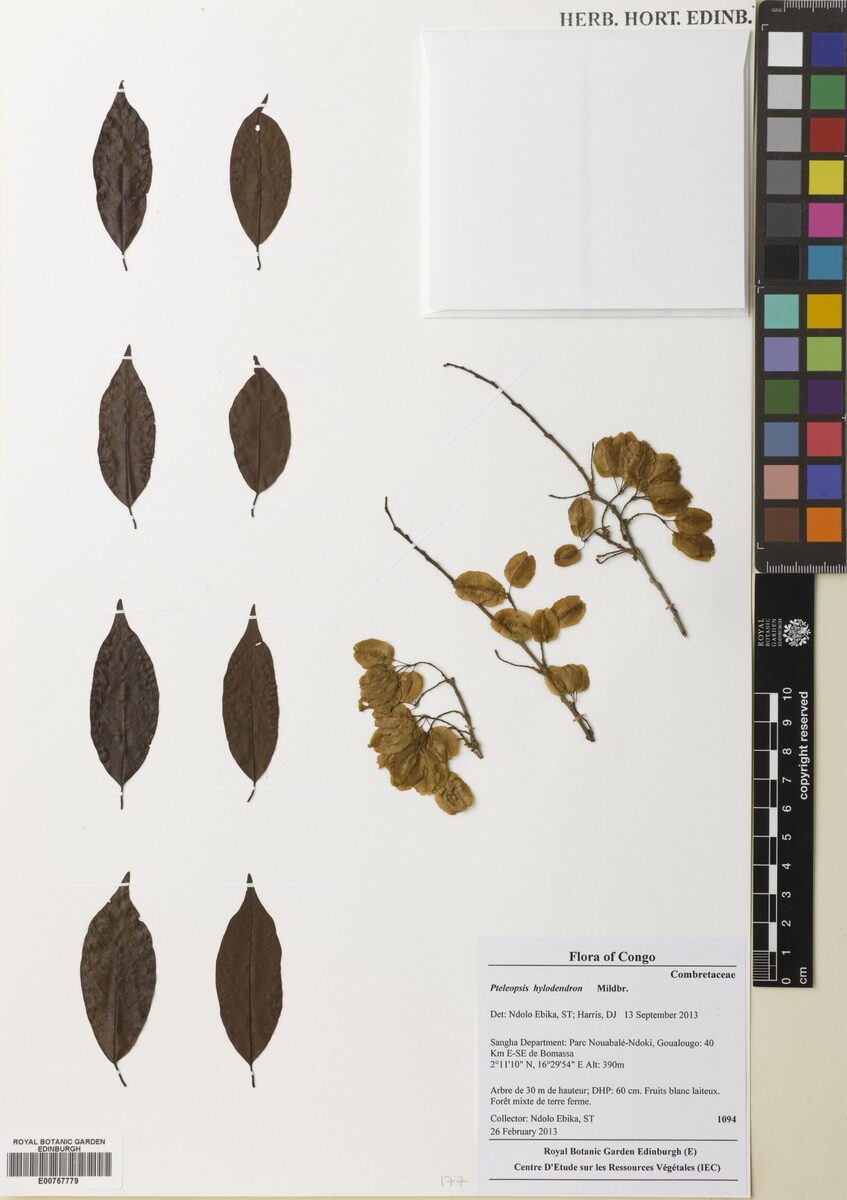
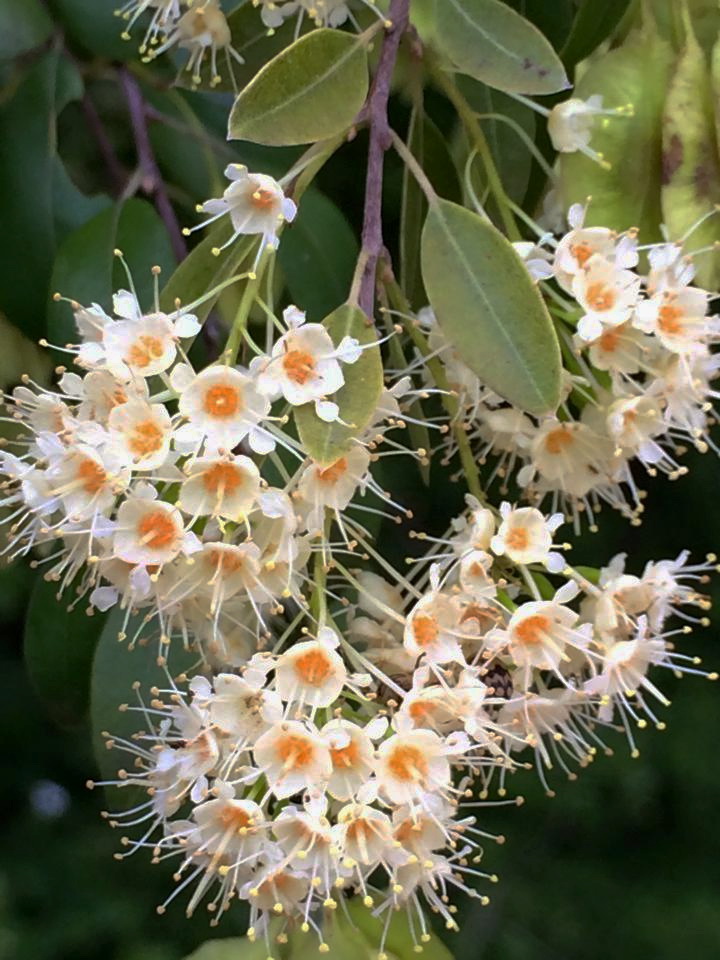
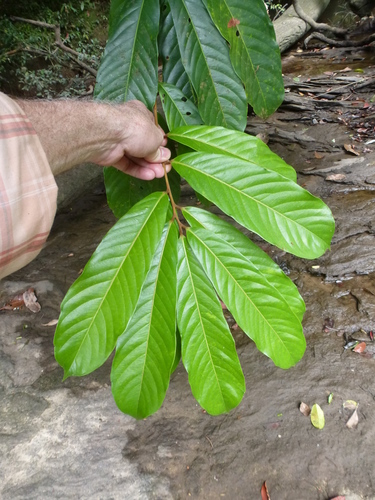
Source: WikipediaTerminalia glabrata is a species of flowering plant in the family Combretaceae. In the Cook Islands it is commonly known as eastern tropical-almond, kauariki, or ‘enua. It is a tree native to the Cook Islands, Marquesas Islands, Samoan Islands, Society Islands, Tuamotu Archipelago, and Tubuai Islands in the South Pacific. Terminalia glabrata is a tall broad-topped tree which sheds its leaves during the winter. It has large leaves (< 25 cm) which are wide-oval in shape and widest near the tip, and grow in terminal clusters. Fruits grow up to 4.5 cm in length, and are ovoid and flattened with blunt-edged wings. In the Cook Islands it is native to the islands of Mangaia and Rarotonga, where it is widespread in interior slope forest from low to mid-elevations. Four varieties are accepted: Terminalia glabrata var. brownii Fosberg & Sachet – Marquesas Islands Terminalia glabrata var. glabrata – Cook Islands, Samoan Islands, and Society Islands Terminalia glabrata var. haroldii (Exell) Fosberg & Sachet – Tubuai Islands Terminalia glabrata var. koariki (Exell) Fosberg & Sachet – Tuamotu Islands (Mangareva)
Description
A tree. It is like coastal almond. The leaf stalk is shorter and thicker. The leaves taper to the base.
This description is brief — help expand it
Edible Uses
The kernels and nuts are eaten.
Distribution
A tropical plant.
Where It Grows
Cook Islands, Marquesas, Pacific, Tonga,
Notes
There are about 200-250 Terminalia species. They are tropical. It is an unresolved name in The Plant List.
Synonyms
References (7)
- Elevitch, C.R.(ed.), 2006, Traditional Trees of the Pacific Islands: Their Culture, Environment and Use. Permanent Agriculture Resources, Holualoa, Hawaii. p 731
- Hedrick, 1972,
- Hedrick, U.P., 1919, (Ed.), Sturtevant's edible plants of the world. p 645
- Menninger, E.A., 1977, Edible Nuts of the World. Horticultural Books. Florida p 62
- Sturtevant,
Show all 7 references Hide references
- Wickens, G.E., 1995, Edible Nuts. FAO Non-wood forest products. FAO, Rome. p 116
- http://cookislands.bishopmuseum.org