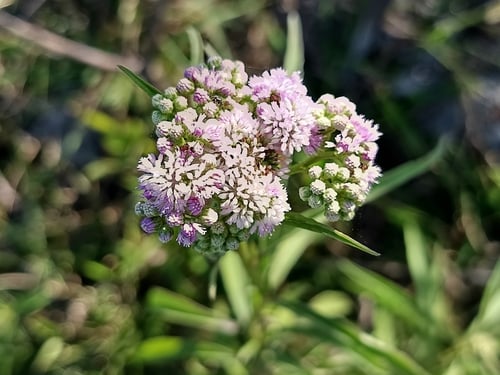
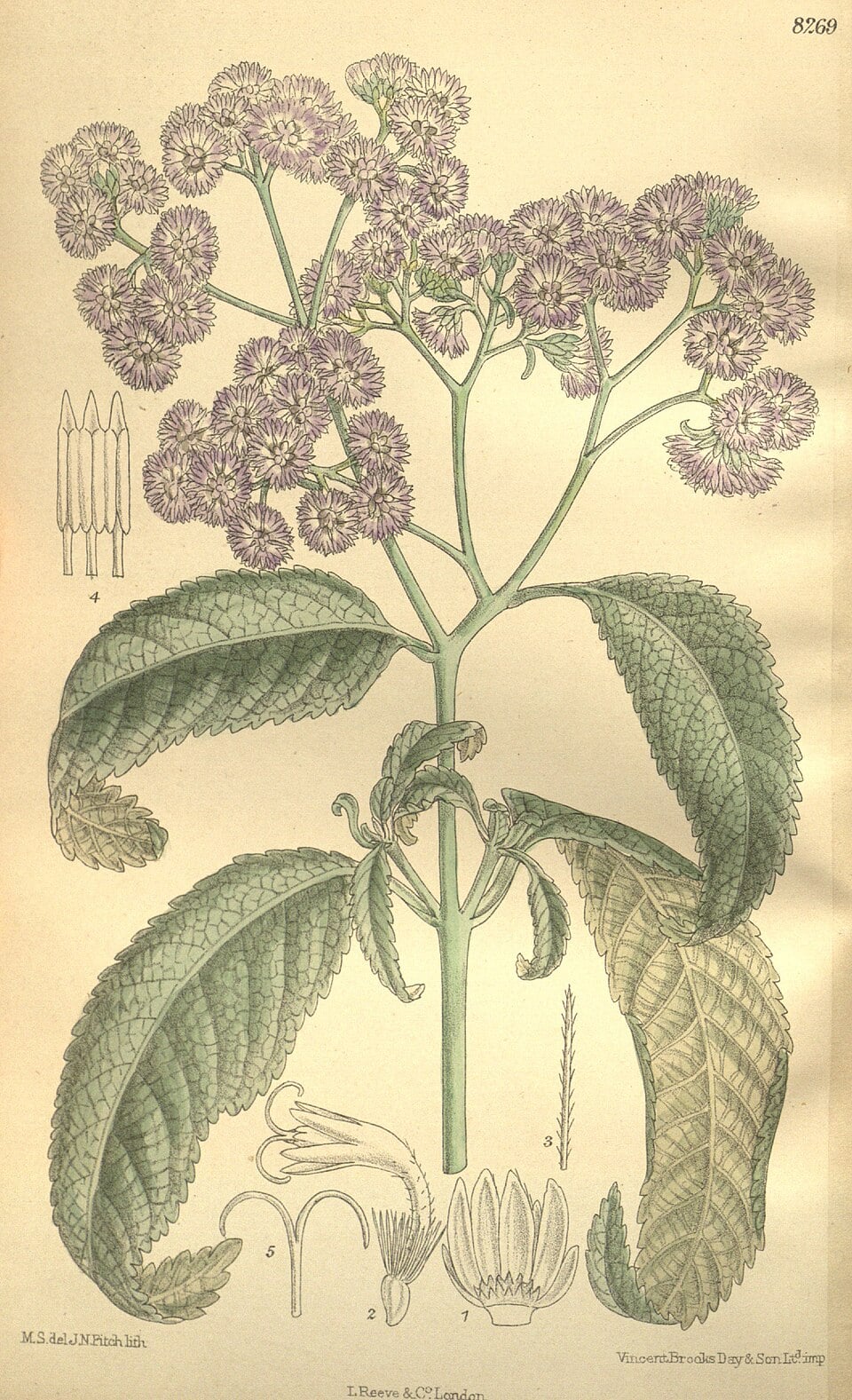
Taraxacum obovatum
(Willd.) DC.
Dandelion
iNaturalist· cc-by-nc
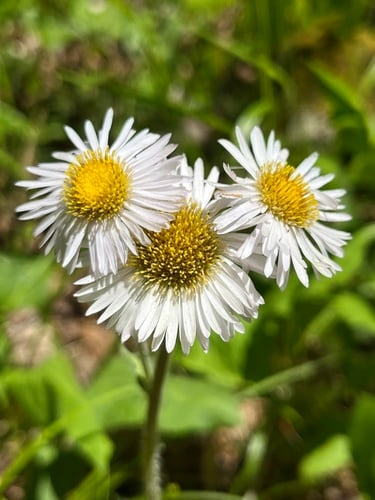
(c) faluke, some rights reserved (CC BY-NC), uploaded by faluke
iNaturalist· cc-by
(c) Tony KM, some rights reserved (CC BY)
iNaturalist· cc-by
(c) Tony KM, some rights reserved (CC BY)
Summary
Taraxacum obovatum is a hardy perennial growing to 20cm tall. Hardy to UK zone 5. Hermaphrodite flowers are pollinated by insects and self-fertile. Grows in light sandy, medium loamy, and heavy clay soils that are well-drained. Tolerates mildly acid, neutral, and basic soil pH. Thrives in semi-shade or full sun and prefers consistently moist soil.
Description
Taraxacum obovatum is a hardy perennial growing to 20cm tall. Hardy to UK zone 5. Hermaphrodite flowers are pollinated by insects and self-fertile. Grows in light sandy, medium loamy, and heavy clay soils that are well-drained. Tolerates mildly acid, neutral, and basic soil pH. Thrives in semi-shade or full sun and prefers consistently moist soil.
Edible Uses
Leaves can be eaten raw or cooked and have a mild flavour. The root is also edible when cooked, and flowers can be eaten raw or cooked — unopened buds are suitable for fritters. The dried whole plant makes a tea, and a pleasant tea can be brewed from the flowers alone; leaves and roots can similarly be used for tea. The root is dried and roasted to serve as a coffee substitute. Note that specific records for this species are limited beyond leaf use, and several further uses are inferred from closely related taxa.
Traditional Uses
The leaves near the base are eaten raw in salads. They are used in eel-based soups.
This uses section is brief — help expand it
Medicinal Uses
None known.
Distribution
It is a Mediterranean climate plant.
Where It Grows
Europe, Italy, Mediterranean, Sicily, Spain,
Propagation
Sow seed in spring in a cold frame, either surface-sowing or covering only very lightly; keep the compost consistently moist. Germination typically occurs within two weeks. Prick seedlings into individual pots deep enough to accommodate the taproot, then plant out in early summer. The plant can also be propagated by division in early spring as growth resumes.
Other Uses
None known.
Notes
There are 50-60 Taraxacum species.
Synonyms
Also Known As
Amargon, Erba di pirnici, Pajitas, Pitones
References (8)
- Biscotti, N. & Pieroni, A., 2015, The hidden Mediterranean diet: wild vegetables traditionally gathered and consumed in the Gargano area, Apulia, SE Italy. Acta Societatis Botanicorum Poloniae 84 (3): 327-338
- Geraci, A., et al, 2018, The wild taxa utilized as vegetables in Sicily (Italy): a traditional component of the Mediterranean diet. Journal of Ethnobiology and Ethnomedicine (2018) 14:14
- Molina, M. et al, 2014, Weeds and Food Diversity: Natural Yield Assessment and Future Alternatives for Traditionally Consumed Wild Vegetables. Journal of Ethnobiology 34(1): 44–67
- Pasta, S., et al, 2020, An Updated Checklist of the Sicilian Native Edible Plants: Preserving the Traditional Ecological Knowledge of Century-Old Agro-Pastoral Landscapes. Frontiers in Plant Science. Volume 11|Article 388
- Plants for a Future database, The Field, Penpol, Lostwithiel, Cornwall, PL22 0NG, UK. http://www.scs.leeds.ac.uk/pfaf/
Show all 8 references Hide references
- Rivera, C., et al, 2005, The Ethnobotanical Study of Local Mediterranean Food Plants as Medicinal Resources in Southern Spain. Journal of Physiologyand Pharmacology. 56, Suppl. 1, 97-114
- Sanchez-Mata, M. C., et al, 2010, Wild vegetables of the Mediterranean area as valuable sources of bioactive compounds. Genet. Resourc. Crop Evol. 59:431-443
- Tardio, J., et al, Ethnobotanical review of wild edible plants in Spain. Botanical J. Linnean Soc. 152 (2006), 27-71