Talisia oliviformis
(Kunth) Radlk.
Yellow genip, Olive shape talisia
iNaturalist· cc-by-nc
(c) camiloarredondo_, some rights reserved (CC BY-NC)
iNaturalist· cc-by-nc-sa
(c) Alejandra Flores, some rights reserved (CC BY-NC-SA)
iNaturalist· cc-by-nc-sa
(c) Alejandra Flores, some rights reserved (CC BY-NC-SA)
Description
A medium sized tree. It grows 18 m high. The leaves have 4 leaflets. These are arranged in opposite pairs. They are thin and leathery and 5-12 cm long. The flowers are in the axils of the leaves. They are often clustered near the ends of branches. The flowers are very small and 3-4 mm long. They have white petals fringed with hairs. The fruit occur in clusters of 6-8. The fruit are small and round. They are 2.5 cm across. They have a leathery skin. The flesh is translucent (lets light through) and yellowish or pink. There is one large seed.
Edible Uses
The fruit are eaten fresh, made into juice, or processed into jam. The seeds are roasted and eaten.
Traditional Uses
The fruit are eaten fresh. They are also made into juice and jam. The seeds are eaten roasted.
This uses section is brief — help expand it
Distribution
A tropical plant. It suits the hot, wet tropical lowlands. It can grow in areas with good or poor soils. It can grow in areas with low or high rainfall. It cannot tolerate frost.
Where It Grows
Belize, Central America*, Colombia, Ecuador, El Salvador, Guatemala, Honduras, Mexico, Nicaragua, North America, South America, Venezuela, West Indies,
Cultivation
Plants are grown from seed.
Production
Fruit mature in 120 days.
Other Information
It is sold in local markets. It is sometimes cultivated for its edible fruit.
Synonyms
Also Known As
Cotopriz, Guayo, Keneb, Kinep, Tapaljocote, Tinalujo, Uayab
References (16)
- Altschul, S.V.R., 1973, Drugs and Foods from Little-known Plants. Notes in Harvard University Herbaria. Harvard Univ. Press. Massachusetts. no. 2591
- de Polle, E., Plantas Silvestres Comestible de Guatemala. 1(1) Universidad de San Carlos de Guatemala.
- FMNH Botany Collections Database - Mesoamerican Ethnobotany emuweb.field museum.org
- Facciola, S., 1998, Cornucopia 2: a Source Book of Edible Plants. Kampong Publications, p 226
- Grandtner, M. M., 2008, World Dictionary of Trees. Wood and Forest Science Department. Laval University, Quebec, Qc Canada. (Internet database http://www.wdt.qc.ca)
Show all 16 references Hide references
- Hedrick, U.P., 1919, (Ed.), Sturtevant's edible plants of the world. p 639
- Hermandez Bermejo, J.E., and Leon, J. (Eds.), 1994, Neglected Crops. 1492 from a different perspective. FAO Plant Production and Protection Series No 26. FAO, Rome. p17
- Kermath, B. M., et al, 2014, Food Plants in the Americas: A survey of the domesticated, cultivated and wild plants used for Human food in North, Central and South America and the Caribbean. On line draft. p 853
- Martin, F. W., et al, 1987, Perennial Edible Fruits of the Tropics. USDA Handbook 642 p 59
- Mutchnick, P. A. and McCarthy, B. C., 1997, An Ethnobotanical Analysis of the Tree Species Common to the Subtropical Moist Forests of the Peten, Guatemala. Economic Botany, Vol. 51, No. 2, pp. 158-183
- Reis, S. V. and Lipp, F. L., 1982, New Plant Sources for Drugs and Foods from the New York Botanical Garden herbarium. Harvard. p 170
- Russell, T., Cutler, C., & Walters, M., 2005, The Illustrated Encyclopedia of Trees of the Americas. Lorenz Books. p 230
- Segura, S., et al, 2018, The edible fruit species in Mexico. Genet Resour Crop Evol (2018) 65:1767–1793
- Sitzungsber. Math.-Phys. Cl. Kounigl. Bayer. Akad. Wiss. Muunchen 8:342. 1878 "olivaeformis"
- Standley, P. C. & Record, S. J., 1936, The Forests and Flora of British Honduras. (Belize). p 238
- Tanaka,
More from Sapindaceae
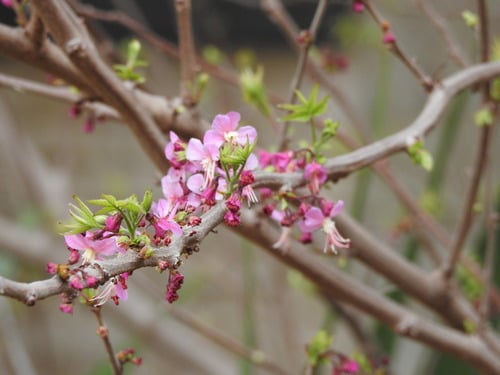
Ungnadia speciosa
Mexican-buckeye, Texas-buckeye, Spanish-buckeye
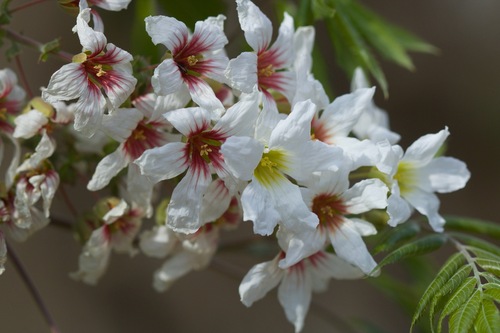
Xanthoceras sorbifolium
Yellow Horn, Official's hat fruit, Shiny-leaf yellowhorn, Northern macadamia
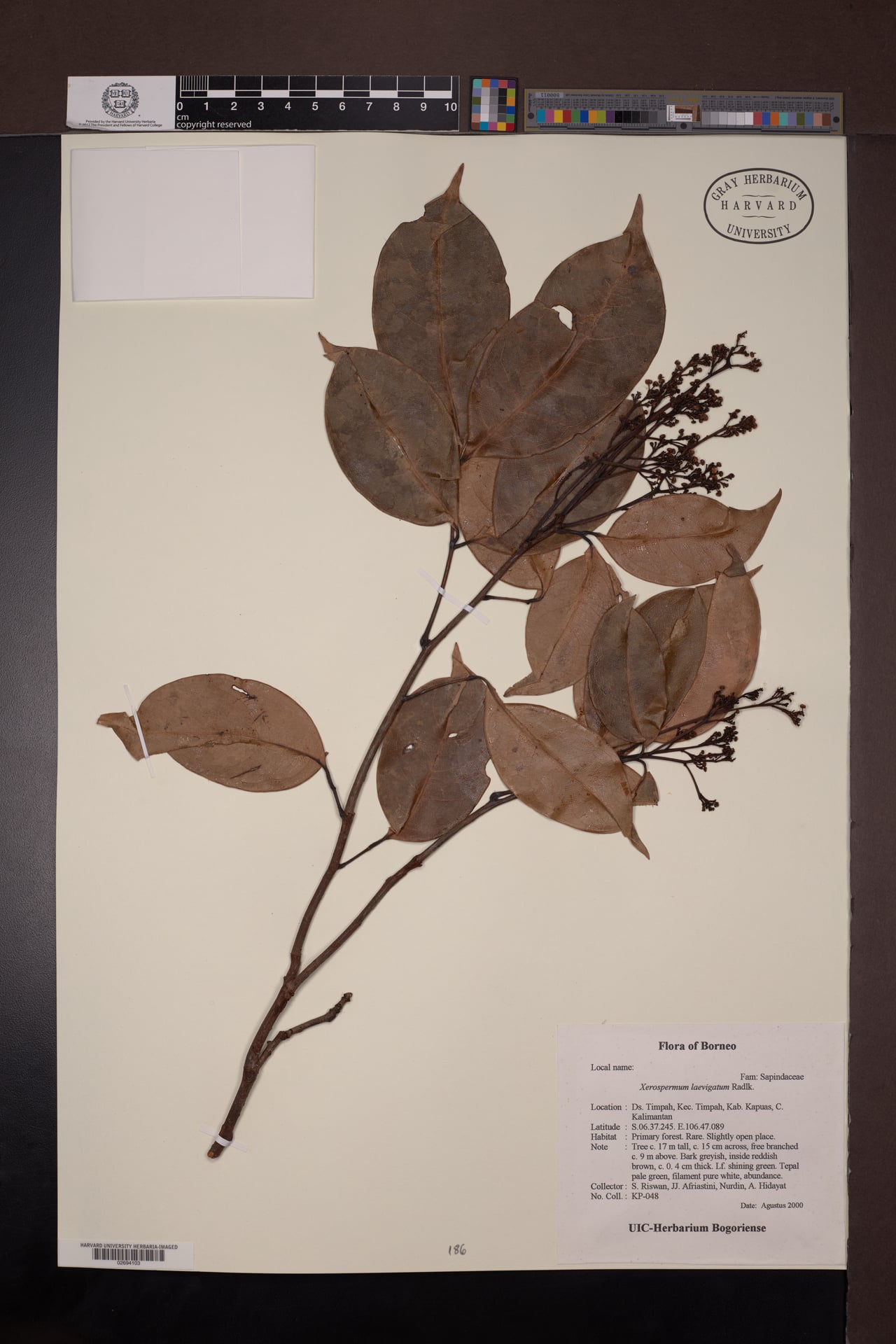
Xerospermum laevigatum
Rambutan pachat, Gong
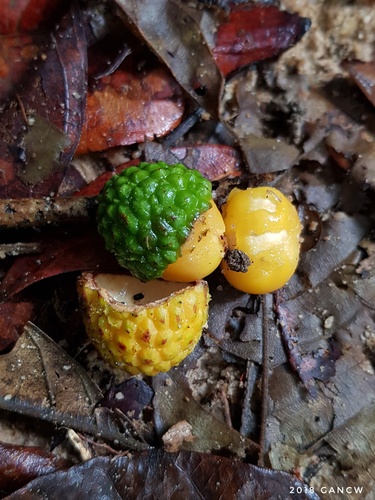
Xerospermum noronhianum
Xerospermum wallichii
Rambutan pachat
Zanha golungensis
Smooth-fruited zanha