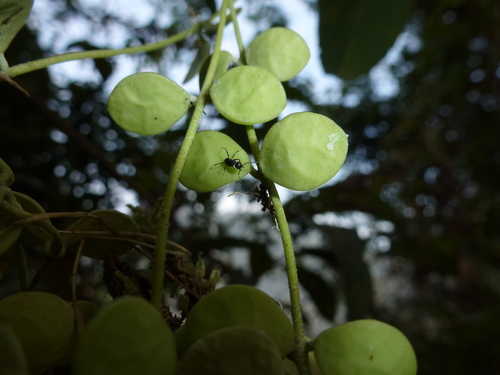
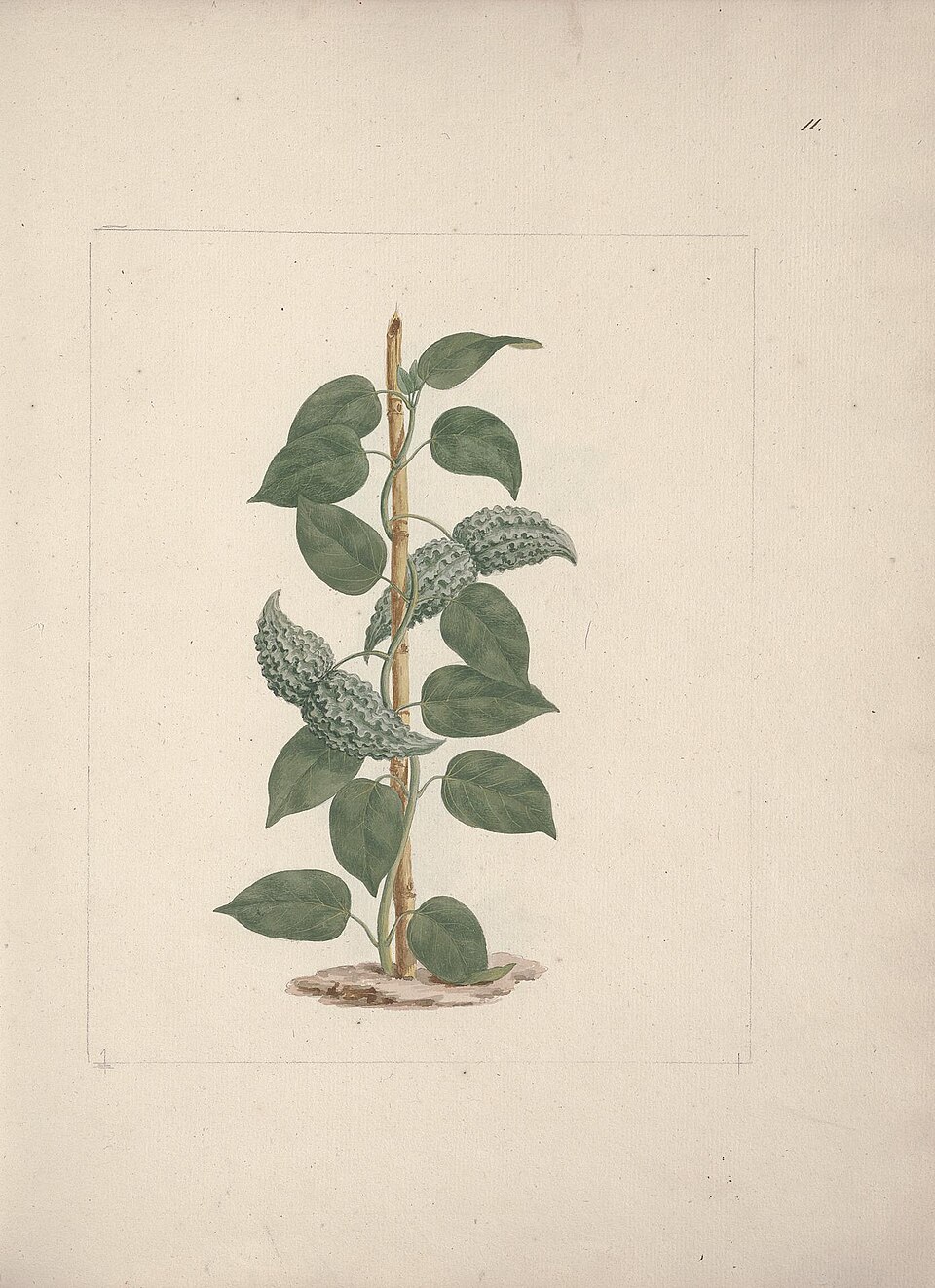
Tacazzea apiculata
Oliv.
iNaturalist· cc-by-nc-sa
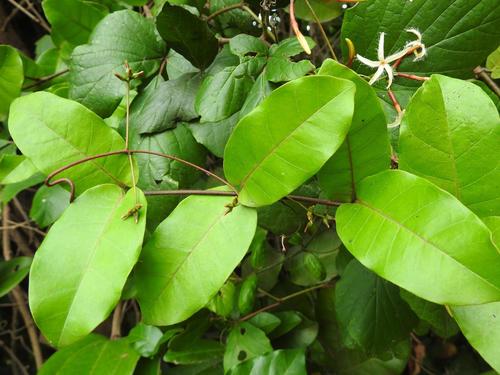
(c) Günter Baumann, some rights reserved (CC BY-NC-SA)
iNaturalist· cc-by-nc-sa
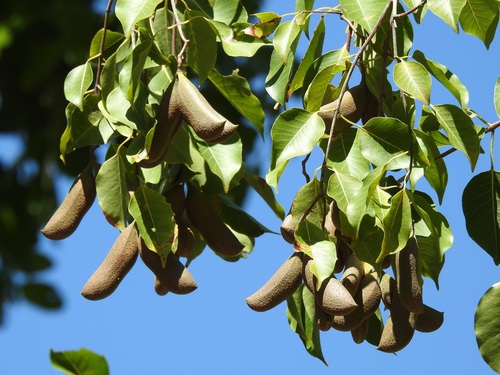
(c) Günter Baumann, some rights reserved (CC BY-NC-SA)
iNaturalist· cc-by-nc
(c) Mark Hyde, Bart Wursten and Petra Ballings, some rights reserved (CC BY-NC)
Description
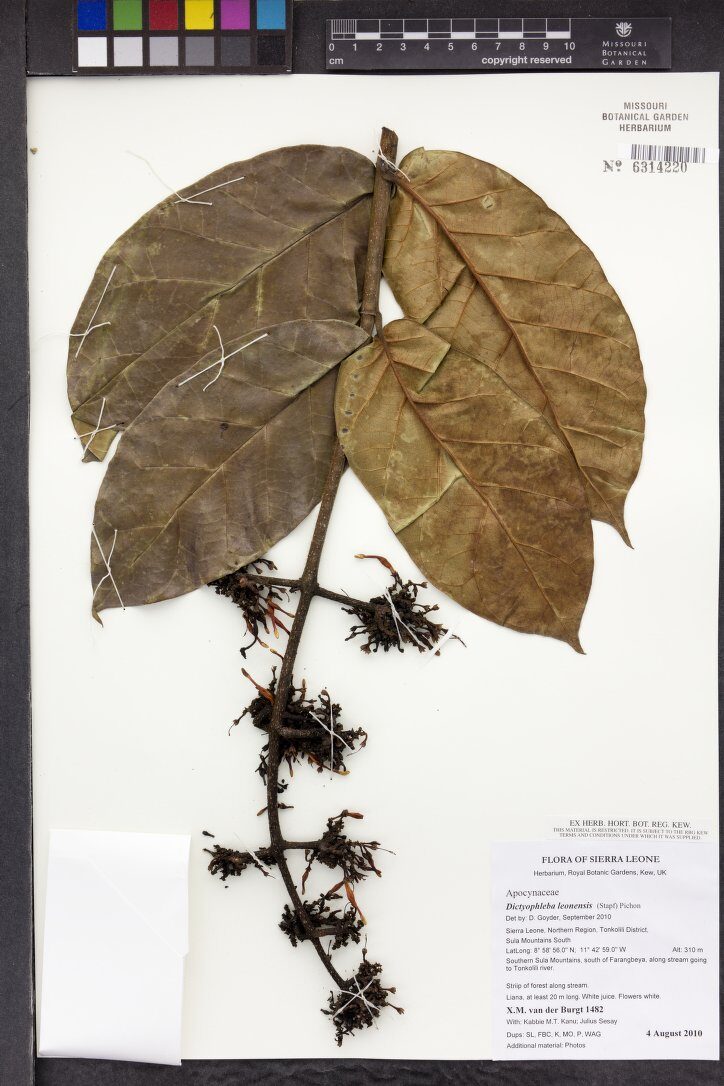
A woody climber. It can be 20 m long. It has milky sap. The leaves are opposite and oval. They are pointed at the tip. The flowers are creamy white and occur in groups. The petals are net back. The flowers grow in the axils of the leaves. The fruit are capsules that occur in pairs.
Edible Uses
The leaves are cooked as a vegetable, and the flowers are also edible.
Traditional Uses
The leaves are cooked as a vegetable.
This uses section is brief — help expand it
Known Hazards
The plant contains milky sap, which may present handling concerns.
Distribution
A tropical plant. It grows in the under-storey in dry forest in West Africa. It grows throughout most of tropical Africa. It grows along streams. It grows from sea level to 2,000 m above sea level.
Where It Grows
Africa, Burkina Faso, East Africa, Ethiopia, Guinea, Guinée, Guinea-Bissau, Malawi, Mozambique, Namibia, Nigeria, Senegal, Sierra Leone, Somalia, South Africa, Southern Africa, West Africa, Zambia,
Notes
There are 4 Tacazzea species. It is also put in the family Asclepiadaceae.
Synonyms
Also Known As
Mancahaneide, Mankaranedi, Manta, Nhandurrabo, Saparo, Sapate, Tamba temb, Vak vang, Wak wange
References (12)
- Burkill, H. M., 1985, The useful plants of west tropical Africa, Vol. 5. Kew.
- Catarino, L. et al, 2019, Edible Leafy Vegetables from West Africa (Guinea-Bissau): Consumption, Trade and Food Potential. Foods 2019, 8, 493
- Dalziel, J. M., 1937, The Useful plants of west tropical Africa. Crown Agents for the Colonies London.
- Fowler, D. G., 2007, Zambian Plants: Their Vernacular Names and Uses. Kew. p 11
- Grivetti, L. E., 1980, Agricultural development: present and potential role of edible wild plants. Part 2: Sub-Saharan Africa, Report to the Department of State Agency for International Development. p 26 (As Tacazzea spiculata var. benedicta)
Show all 12 references Hide references
- Grivetti, L. E., 1980, Agricultural development: present and potential role of edible wild plants. Part 2: Sub-Saharan Africa, Report to the Department of State Agency for International Development. p 26 (As Tacazzea barteri)
- Grubben, G. J. H. and Denton, O. A. (eds), 2004, Plant Resources of Tropical Africa 2. Vegetables. PROTA, Wageningen, Netherlands. p 565
- Jardin, C., 1970, List of Foods Used In Africa, FAO Nutrition Information Document Series No 2.p 105
- Peters, C. R., O'Brien, E. M., and Drummond, R.B., 1992, Edible Wild plants of Sub-saharan Africa. Kew. p 67
- Pickering, H., & Roe, E., 2009, Wild Flowers of the Victoria Falls Area. Helen Pickering, London. p 29
- White, F., Dowsett-Lemaire, F. and Chapman, J. D., 2001, Evergreen Forest Flora of Malawi. Kew. p 165
- World Checklist of Useful Plant Species 2020. Royal Botanic Gardens, Kew