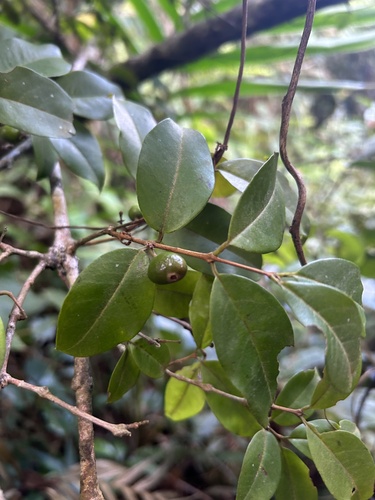
Syzygium pycnanthum
Merrill and L. M. Perry
Wild Rose Apple
iNaturalist· cc-by-nc-sa
(c) 106611639464075912591, some rights reserved (CC BY-NC-SA), uploaded by 106611639464075912591
iNaturalist· cc-by-nc
(c) weishou, some rights reserved (CC BY-NC)
iNaturalist· cc-by-nc
(c) ruddy2410, some rights reserved (CC BY-NC), uploaded by ruddy2410
Description
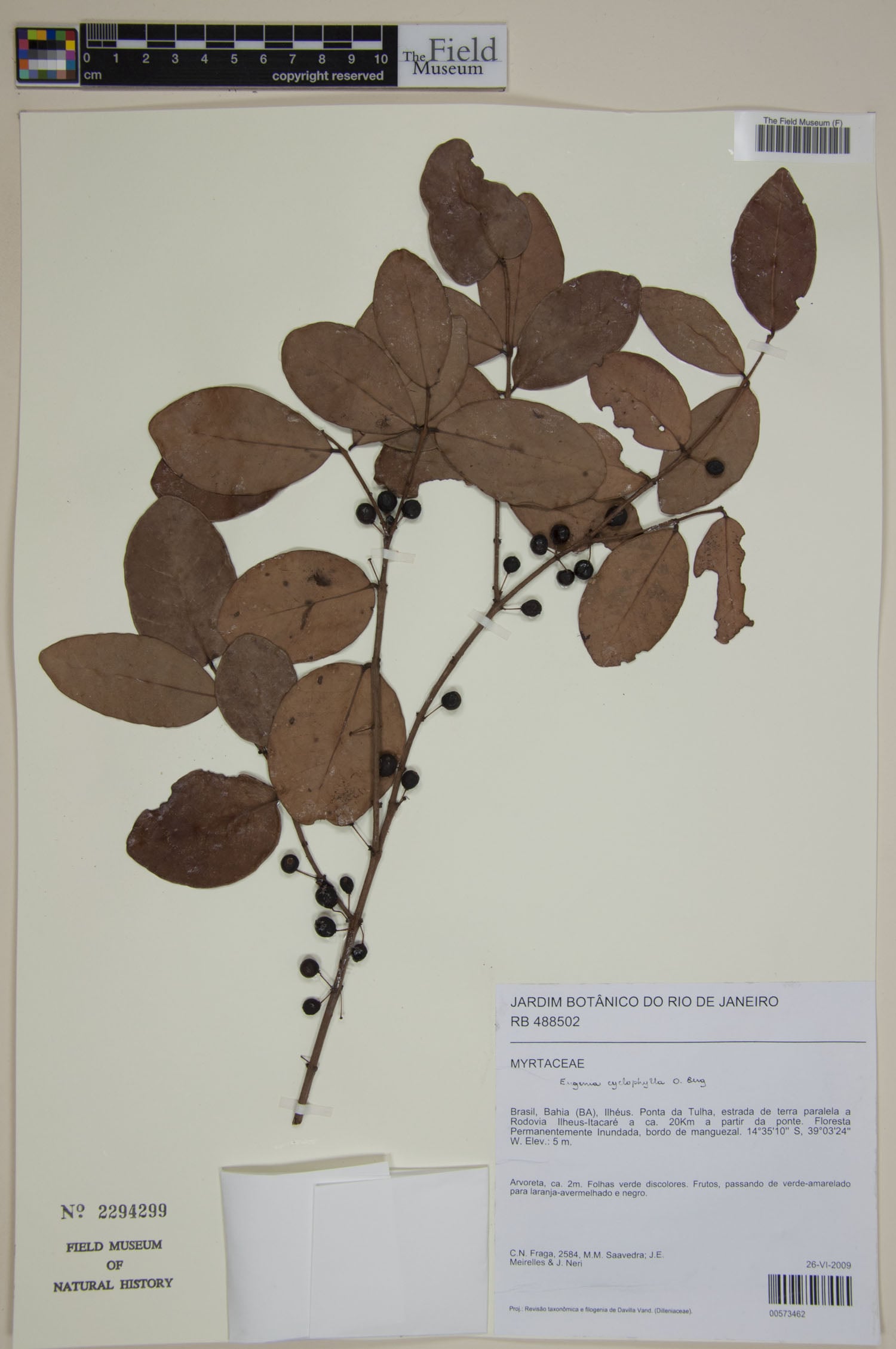
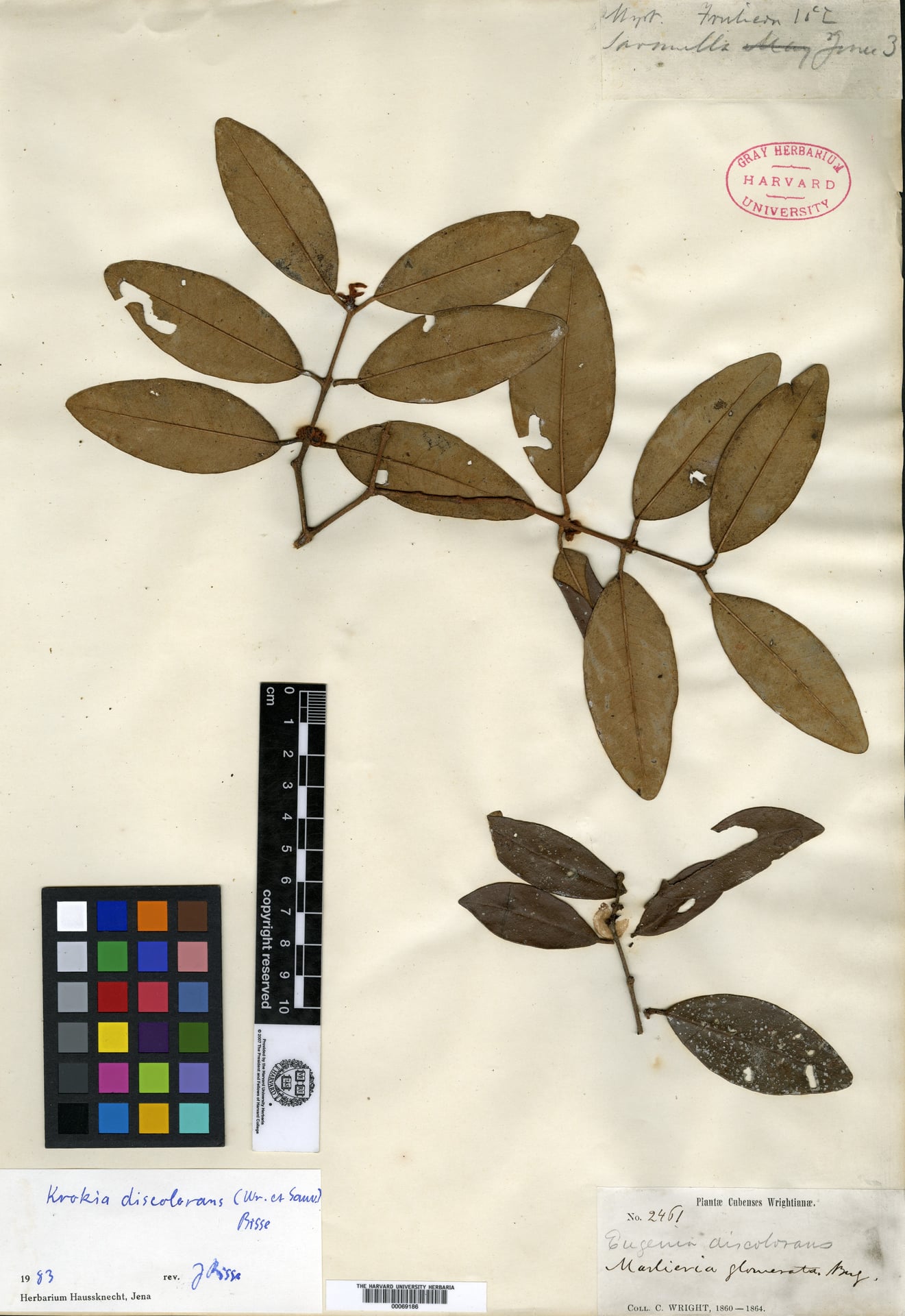
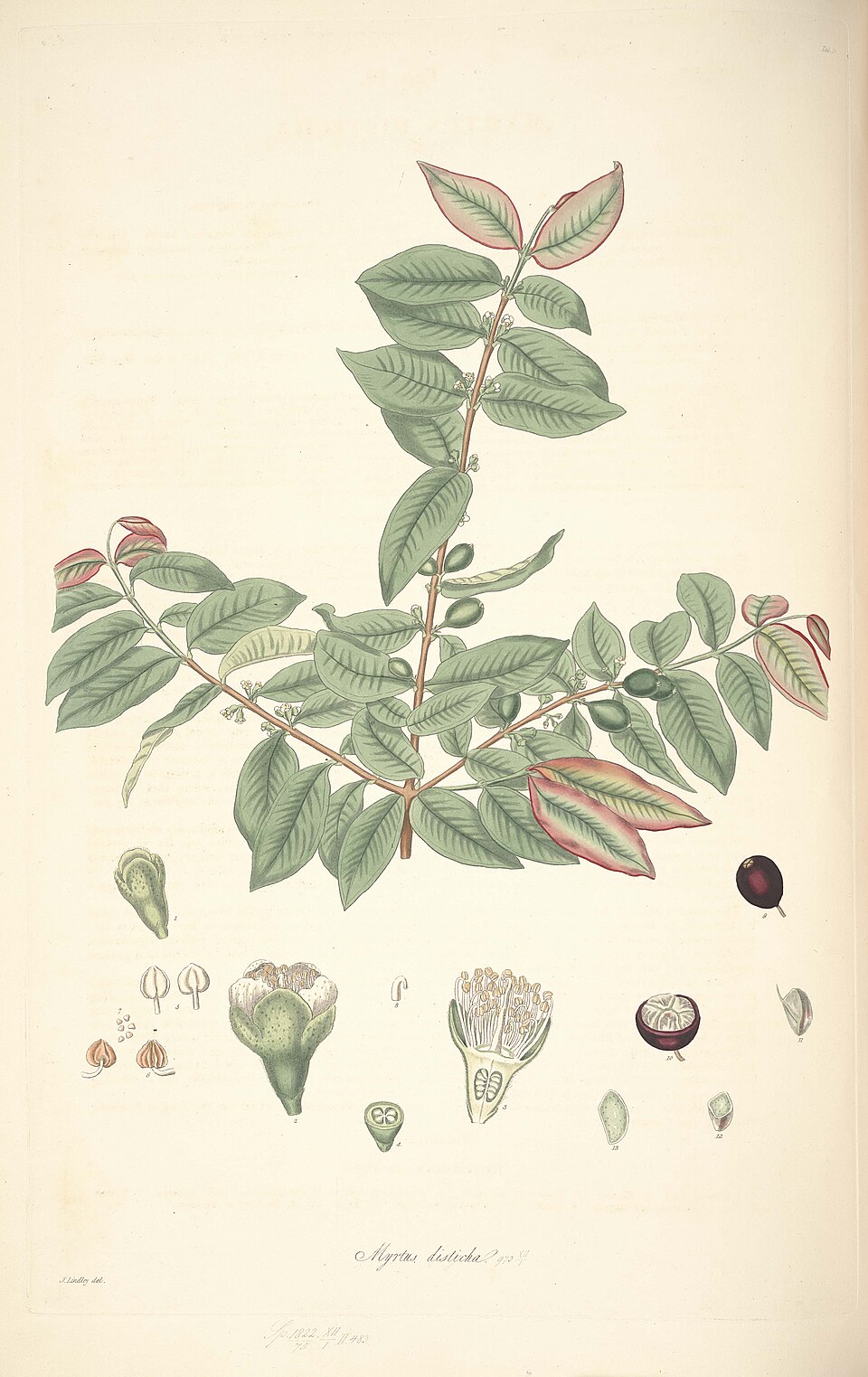
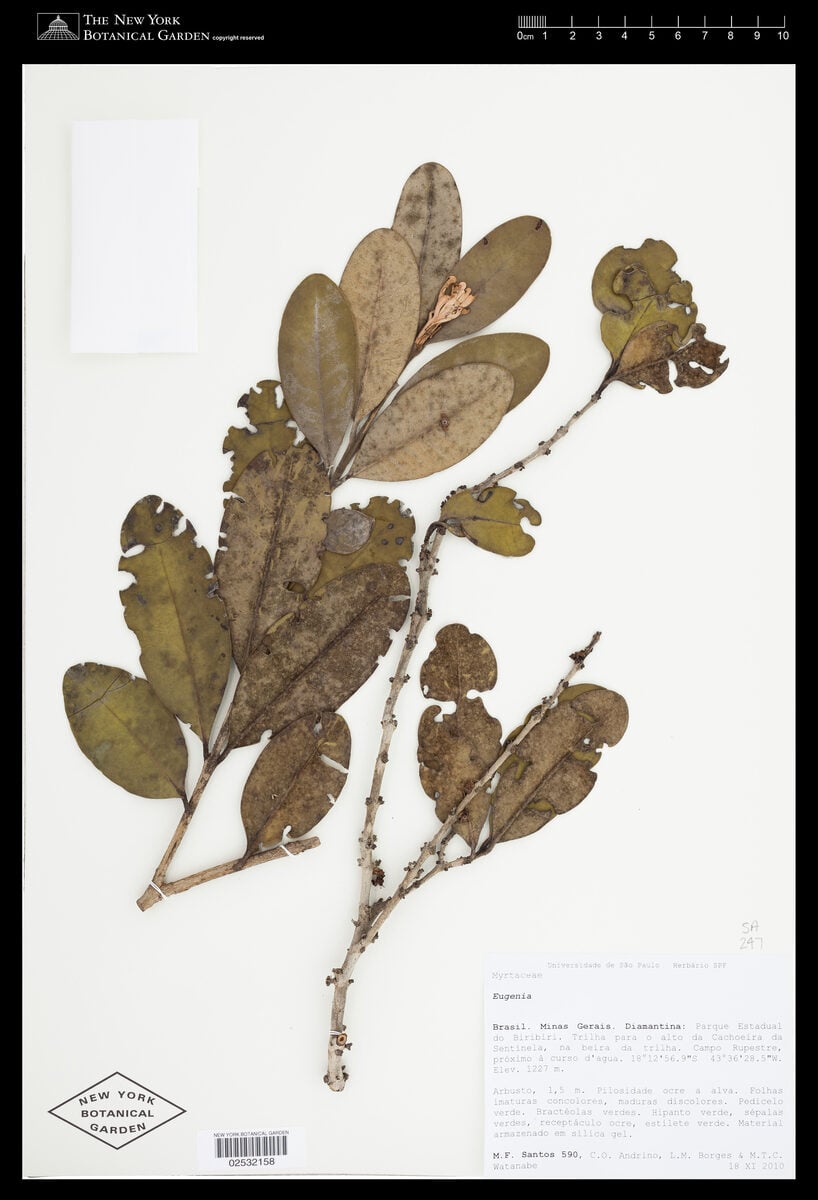
An evergreen shrub. It grows to 4-16 m tall and spreads to 2 m across. The stem is erect and branching. It is 20 cm across. The leaves are glossy green. They are oval. The flowers are in groups in the axils of leaves or at the ends of branches. The flowers are pink. They occur in clusters. The fruit are round dark red berries when ripe. Young fruit are green. They are about 3 cm across. They have one or two seeds.
Edible Uses
The ripe fruit can be eaten, and the flowers are eaten as a relish.
Traditional Uses
The flowers are eaten as a relish. The ripe fruit can be eaten.
This uses section is brief — help expand it
Distribution
A tropical plant. It prefers rich, moist, well drained soil. It needs an open sunny position. It is damaged by drought and frost. It grows from 50 m to 1,600 m above sea level. It grows in forest. It grows in mountain forest above 1,500 m above sea level. In Brisbane Botanical Gardens.
Where It Grows
Asia, Australia, India, Indochina, Indonesia, Malaysia, Myanmar, Pacific, SE Asia, Thailand,
Cultivation
It can be grown from seed or cuttings. It can be grown by air-layering.
Propagation
Seed - best sown as soon as it is ripe.
Other Uses
Used as termite-resistant rootstock for the propagation of S. aqueum, S. samarangense and other members of the genus. A brown dye can be obtained from the bark. Used for dyeing cotton. The wood is used for fuel.
Synonyms
Also Known As
Jambon, Jambu ayer antan, Jambu klampok, Jambu wana, Kelampok, Kelat asam, Kelat jambu, Kelat puteh bukit, Klampok arum, Klampok, Kopo badak, Kopo lalay, Kopo, Petag, Pohon jambu hutan, Pohon jambu kopo, Tha-pyay, Ubar-ubar
References (11)
- Barwick, M., 2004, Tropical and Subtropical Trees. A Worldwide Encyclopedic Guide. Thames and Hudson p 393
- Bodkin, F., 1991, Encyclopedia Botanica. Cornstalk publishing, p 964
- Burkill, I.H., 1966, A Dictionary of the Economic Products of the Malay Peninsula. Ministry of Agriculture and Cooperatives, Kuala Lumpur, Malaysia. Vol 1 (A-H) p 983 (As Eugenia densiflora)
- Darley, J.J., 1993, Know and Enjoy Tropical Fruit. P & S Publishers. p 123
- Heyne, K., 1927, p 1188 (As Eugenia densiflora)
Show all 11 references Hide references
- Mem. Amer. Acad. Arts 18:168. 1939
- Milow, P., et al, 2013, Malaysian species of plants with edible fruits or seeds and their evaluation. International Journal of Fruit Science. 14:1, 1-27
- PROSEA No. 2
- Shin, T., et al, 2018, Traditional knowledge of wild edible plants with special emphasis on medicinal uses in Southern Shan State, Myanmar. Journal of Ethnobiology and Ethnomedicine (2018) 14:48
- Sukarya, D. G., (Ed.) 2013, 3,500 Plant Species of the Botanic Gardens of Indonesia. LIPI p 534
- World Checklist of Useful Plant Species 2020. Royal Botanic Gardens, Kew