Psidium montanum
Sw.
Spice guava, Mountain guava, Jamaican guava
iNaturalist· cc-by-nc-sa
(c) Rich Hoyer, some rights reserved (CC BY-NC-SA), uploaded by Rich Hoyer
gbif· cc-by-sa
GBIF
Description
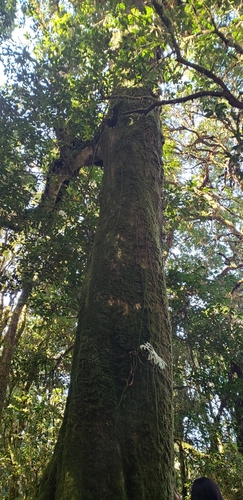
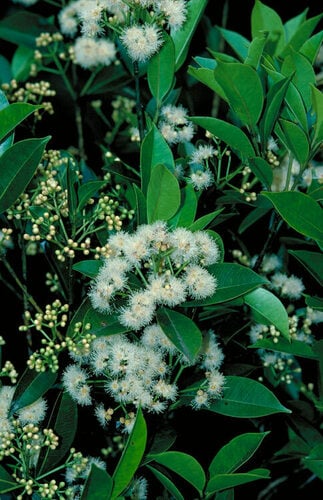
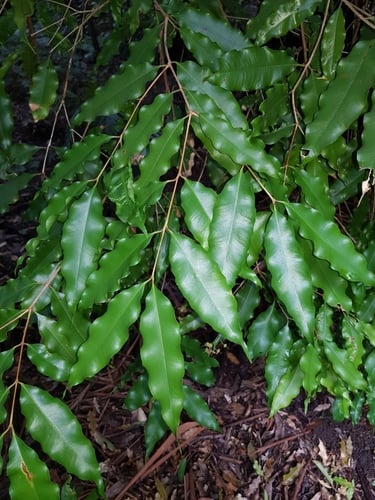
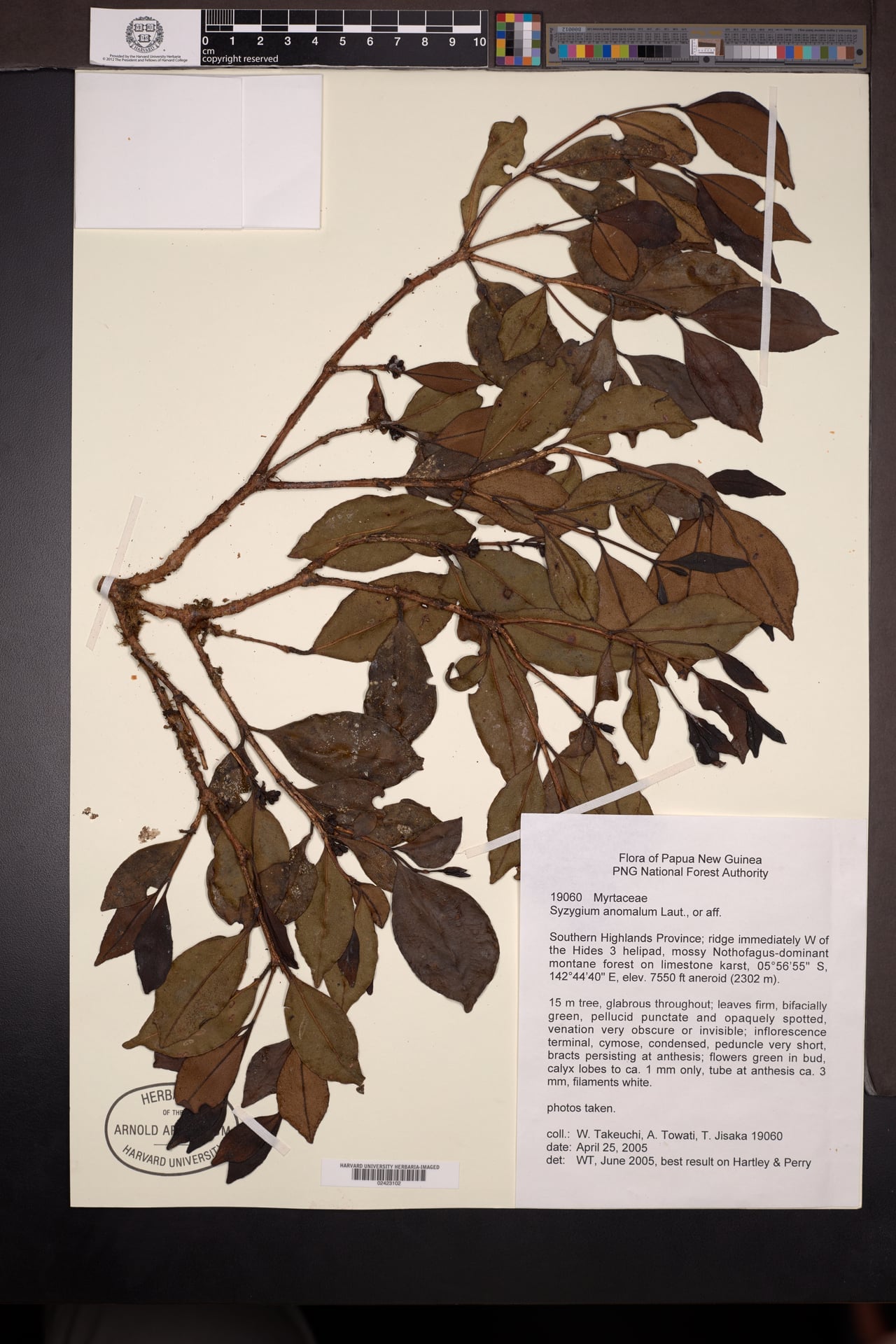
A tree. It grows 9-15 m tall but can be taller. The leaves are narrowly oval and 3-10 cm long by 1-4 cm wide. They taper to the tip and are wedge shaped at the base. The flowers occur singly. The fruit is a flattened round shape and green. They are 2 cm across.
Edible Uses
The fruit is eaten fresh and is also used for making marmalade. Fruit are sold in local markets.
Traditional Uses
The fruit is eaten fresh. It is also used for marmalade.
This uses section is brief — help expand it
Distribution
A tropical plant. It grows in mountain forests between 375-1,200 m above sea level.
Where It Grows
Africa, Asia, Central America, East Africa, Indonesia, Jamaica, SE Asia, West Indies*,
Cultivation
Plants can be grown from seeds but also cuttings and grafting.
Other Information
Fruit are sold in local markets.
Notes
There are about 150 Psidium species.
Synonyms
Also Known As
Pohon jambu gunung
References (7)
- Flowerdew, B., 2000, Complete Fruit Book. Kyle Cathie Ltd., London. p 154
- Grandtner, M. M., 2008, World Dictionary of Trees. Wood and Forest Science Department. Laval University, Quebec, Qc Canada. (Internet database http://www.wdt.qc.ca)
- Hedrick, U.P., 1919, (Ed.), Sturtevant's edible plants of the world. p 532
- Jamaica: A country report to the FAO International Technical Conference on Plant Genetic Resources for Food and Culture. 2008
- Kermath, B. M., et al, 2014, Food Plants in the Americas: A survey of the domesticated, cultivated and wild plants used for Human food in North, Central and South America and the Caribbean. On line draft. p 724
Show all 7 references Hide references
- Prodr. 77. 1788
- Sukarya, D. G., (Ed.) 2013, 3,500 Plant Species of the Botanic Gardens of Indonesia. LIPI p 478