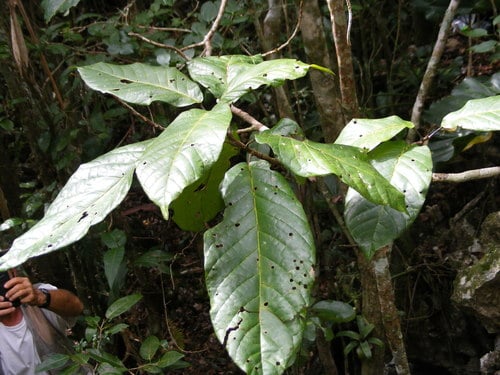
Aristotelia chilensis
(Molina) Stuntz
Chilean wineberry
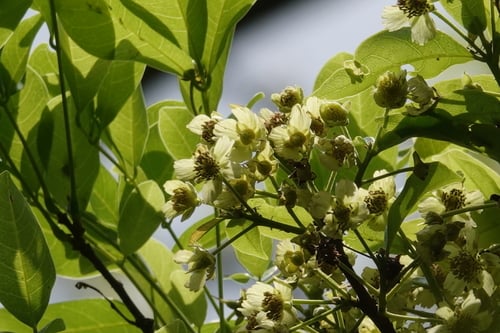
iNaturalist· cc-by-nc
(c) maragirta, some rights reserved (CC BY-NC), uploaded by maragirta
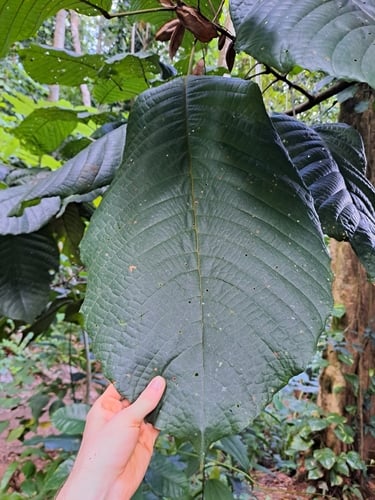
iNaturalist· cc-by-nc
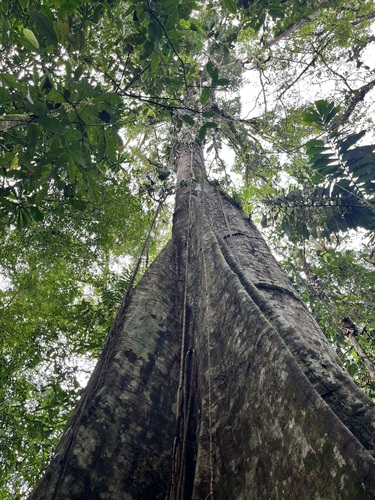
(c) Michelle Delaloye, some rights reserved (CC BY-NC), uploaded by Michelle Delaloye
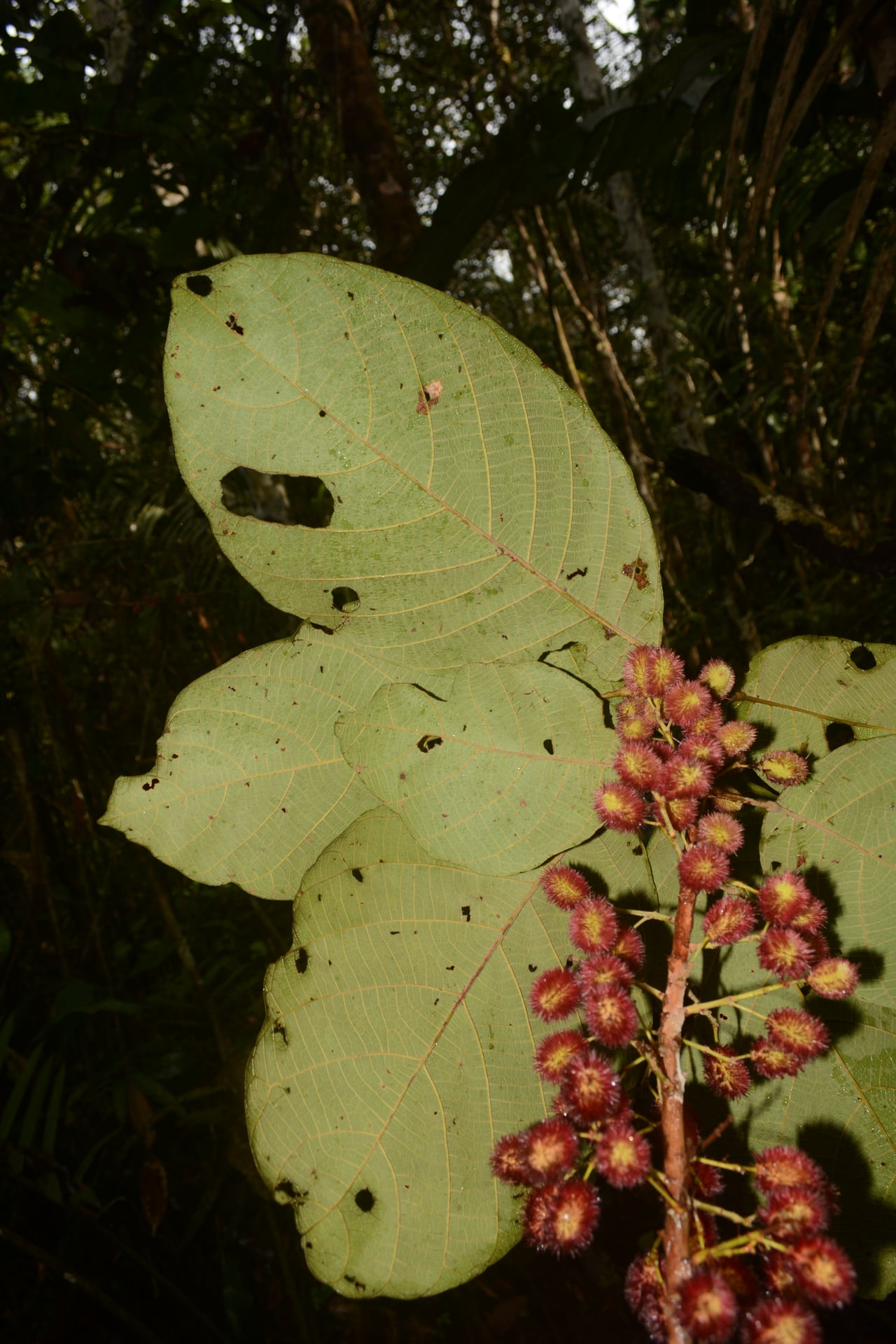
iNaturalist· cc-by-nc
(c) Michelle Delaloye, some rights reserved (CC BY-NC), uploaded by Michelle Delaloye
Summary
Source: WikipediaAristotelia chilensis, known as maqui or Chilean wineberry, is a tree species in the Elaeocarpaceae family native to South America in the Valdivian temperate forests of Chile and adjacent regions of southern Argentina. Limited numbers of these trees are cultivated in gardens for their small edible fruits. Wild-harvested fruits are commercially marketed. The species has drawn attention for its forensic potential as it is reported to be among the first plants to grow around pig carcasses, which are experimental substitutes for human corpses, in southern Chile.
Description
A large shrub or small tree. It grows 4.5-7 m high. The leaves are opposite and have teeth around the edge. The leaves are leathery and 10 cm long. Some leaves turn red in winter. The stems are reddish. The flowers occur in loose branched arrangements. The flowers are very small and green-white. The fruit are purple berries. They become black as they ripen. They are edible. They are 5 mm across.
Edible Uses
Edible Parts: Fruit Edible Uses: Fruit - raw or dried for winter use. A pleasant taste somewhat like bilberries. The fruit is rather small, about 6mm in diameter.
Traditional Uses
The fruit are used to produce wine. They are used for cakes and drinks. They can also be eaten fresh. The fruit are eaten raw or used to colour wines. They can be dried and stored. The fruit are cooked with sugar and diluted with water to make a drink.
Medicinal Uses
Astringent Febrifuge Poultice A wine made from the fruit is said to have medicinal properties. The plant (the exact part is not specified) is astringent, febrifuge and poultice. It is used in the treatment of throat infections and intestinal tumours.
Distribution
It is a temperate plant. It grows in forest valleys in Chile. It does not tolerate extremes of heat or cold. It needs a moist soil. It suits hardiness zones 4-9. It can grown in sun or light shade. It can tolerate drought. It is frost resistant. Mt Lofty Botanical Gardens. Arboretum Tasmania.
Where It Grows
Africa, Argentina, Australia, Britain, Chile*, Egypt, Europe, France, New Zealand, North Africa, South America, Tasmania,
Cultivation
It can be grown from seed or by cuttings.
Propagation
Seed - sow spring in a greenhouse. When large enough to handle, prick the seedlings out into individual pots and grow them on in the greenhouse for at least their first winter. Once the plants are at least 20cm tall, plant them out into their permanent positions in late spring or early summer, after the last expected frosts. Consider giving them some protection from the cold for at least their first winter outdoors. Cuttings of half-ripe wood, July/August in a frame. Cuttings of mature wood of the current season's growth in early winter. Take cuttings 15 - 30cm long and plant them in pots or the open soil in a greenhouse. They normally root very easily and can be potted up in early summer then planted out late the following spring.
Other Uses
None known Special Uses Attracts Wildlife
Notes
There are about 5-8 Aristotelia species. They grow in southern temperate regions. The fruit are very high in Antioxidants. It probably helps people with respiratory diseases.
Synonyms
Also Known As
Clon, Kelon, Koelon, Macqui, Maki, Maqui, Mountain currant, Queldon
References (32)
- Barreau, A., et al, 2016, How Can We Teach Our Children if We Cannot Access the Forest? Generational Change in Mapuche Knowledge of Wild Edible Plants in Andean Temperate Ecosystems of Chile. Journal of Ethnobiology 36(2): 412–432
- Bircher, A. G. & Bircher, W. H., 2000, Encyclopedia of Fruit Trees and Edible Flowering Plants in Egypt and the Subtropics. AUC Press. p 41 (As Aristotelia macqui)
- Bodkin, F., 1991, Encyclopedia Botanica. Cornstalk publishing, p 103
- Brickell, C. (Ed.), 1999, The Royal Horticultural Society A-Z Encyclopedia of Garden Plants. Convent Garden Books. p 138
- Cespedes, C. L., 2010, Phytochemical profile and the antioxidant activity of Chilean wild black-berry fruits Aristotelia chilensis (Mol) Stuntz (Elaeocarpaceae). Food Chemistry 119: 86-895
Show all 32 references Hide references
- Chamorro, M. F., & Ladio, A., 2020, Native and exotic plants with edible fleshy fruits utilized in Patagonia and their role as sources of local functional foods. BMC Complementary Medicine and Therapies. 20:155
- Cordero, S. E., Abello, L. A., & Galvez, F. L., 2017, Plantas silvestres comestibles y medicinales de Chile y otras partes del mundo. CORMA p 37
- Crowe, A., 1997, A Field Guide to the Native Edible Plants of New Zealand. Penguin. p 66 (As Aristotelia macqui)
- Cundall, P., (ed.), 2004, Gardening Australia: flora: the gardener's bible. ABC Books. p 187
- Daly, A. B., 20014, Narrating changing foodways: wild edible plant knowledge and traditional food systems in Mapuche lands of the Andean Temperate Forests, Chile. Masters Thesis Vancouver. p 45
- Facciola, S., 1998, Cornucopia 2: a Source Book of Edible Plants. Kampong Publications, p 94
- Fuentes, L., et al, 2019, Patagonian Berries: Healthy Potential and the Path to Becoming Functional Foods. Foods 2019, 8, 289
- Girones-Vilaplana, A., et al, 2012, New Beverages of Lemon Juice Enriched with the Exotic Berries Maqui, Acai, and Blackthorn: Bioactive Components and in Vitro Biological Properties. Journal of Agricultural and Food Chemistry. 60:6571-6580
- Grandtner, M. M. & Chevrette, J., 2013, Dictionary of Trees, Volume 2: South America: Nomenclature, Taxonomy and Ecology. Academic Press p 45
- Hedrick, U.P., 1919, (Ed.), Sturtevant's edible plants of the world. p 72 (As Aristotelia macqui)
- Heywood, V.H., Brummitt, R.K., Culham, A., and Seberg, O. 2007, Flowering Plant Families of the World. Royal Botanical Gardens, Kew. p 137
- Hibbert, M., 2002, The Aussie Plant Finder 2002, Florilegium. p 32
- Kermath, B. M., et al, 2014, Food Plants in the Americas: A survey of the domesticated, cultivated and wild plants used for Human food in North, Central and South America and the Caribbean. On line draft. p 89
- Ladio, A., Lozada, M. & M. Weigandt, 2007, Comparison of traditional wild plant knowledge between aboriginal communities inhabiting arid and forest environments in Patagonia, Argentina. Journal of Arid Environments 69 (2007) 695–715
- Leon-Lobos, P., et al, 2022, Patterns of Traditional and Modern Uses of Wild Edible Native Plants of Chile: Challenges and Future Perspectives. Plants (Basel) v 11 (6) Table S1
- Martin, F. W., et al, 1987, Perennial Edible Fruits of the Tropics. USDA Handbook 642 p 93
- Martin, J. S. & Villagra M. M., 2013, Productos forestales no madereros de la Region del Maule. p 15
- Plants for a Future database, The Field, Penpol, Lostwithiel, Cornwall, PL22 0NG, UK. http://www.scs.leeds.ac.uk/pfaf/
- Rapoport, E. H., et al, 1995, Edible Weeds: A Scarcely Used Resource. Bulletin of the Ecological Society of America. Vol. 76 No. 3 pp 163-166
- Rapoport, E. H. & Ladio, A. H., 1999, Plantas comestibles. Bosque Volume 20 No. 2. ISSN 0314-8799
- Ryan, S., 2008, Dicksonia. Rare Plants Manual. Hyland House. p 8
- Smith, N., Mori, S.A., et al, 2004, Flowering Plants of the Neotropics. Princeton. p 137
- Stirp. nov. 31, t. 16. 1785-1786 (As Aristotelia macqui)
- U.S.D.A. Bur. Pl. Industr. Invent. Seeds 31:26. 1914
- Velasquez, P. & Montenegro, G., 2017, Chilean Endemic/Native Plant Resources as Functional and Superfoods. Chp. 6 in Superfood and Functional Food - An Overview of Their Processing and Utilization
- Vergara, D. et al, 2015, The intake of maqui (Aristotelia chilensis) berry extract normalizes H2O2 and IL-6 concentrations in exhaled breath condenstae from healthy smokers - an explorative study. Nutrition Journal. 14:27
- www.chileflora.com