Elaeocarpus largiflorens var. largiflorens
C. White
Tropical Qandong
iNaturalist· cc-by-nc
(c) Russell Cumming, some rights reserved (CC BY-NC), uploaded by Russell Cumming
iNaturalist· cc-by-nc
(c) Russell Cumming, some rights reserved (CC BY-NC)
Summary
Source: WikipediaElaeocarpus largiflorens, commonly known as tropical quandong, is a species of flowering plant in the family Elaeocarpaceae and is endemic to Queensland. It is a medium-sized to large tree, sometimes with buttress roots at the base of the trunk, mostly elliptic leaves and reddish-brown flowers.
Description
A medium sized tree. It grows up to 12-20 m tall and spreads 5-12 m wide. The bark is brown and has pustules on it. The young shoots have dense brown hairs. The leaves are simple and 9-21 cm long by 4-6 cm wide. The edges of the leaves are often curved inwards near the base. They are glossy on top and paler underneath. The flowering shoots are 4-8 cm long and in the axils of the upper leaves. The flowers are 1.2 cm across and white. The fruit are 16-21 mm long by 10-14 mm wide. They hang in bunches in the axils of leaves. There is one seed inside. The seed is 18 mm long. The flesh of the fruit is edible.
Edible Uses
The flesh of the fruit is edible.
Distribution
It suits tropical and subtropical regions. It grows naturally in rainforests in Queensland in Australia. It grows between sea level and 1400 m altitude.
Where It Grows
Australia*,
Notes
There are about 360 Elaeocarpus species mostly in the tropics.
Synonyms
References (5)
- Cooper W & Cooper W T, 1994, Fruits of the Rain Forest. RD Press p 106
- Cooper, W. and Cooper, W., 2004, Fruits of the Australian Tropical Rainforest. Nokomis Editions, Victoria, Australia. p 161
- Elliot, W.R., & Jones, D.L., 1984, Encyclopedia of Australian Plants suitable for cultivation. Vol 3. Lothian. p 387
- Jackes, B.R., 2001, Plants of the Tropics. Rainforest to Heath. An Identification Guide. James Cook University. p 36, 51
- Townsend, K., 1994, Across the Top. Gardening with Australian Plants in the tropics. Society for Growing Australian Plants, Townsville Branch Inc. p 176
More from Elaeocarpaceae
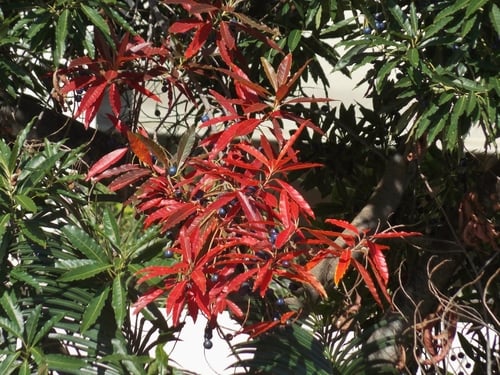
Elaeocarpus angustifolius
Blue quandong, Silver quandong
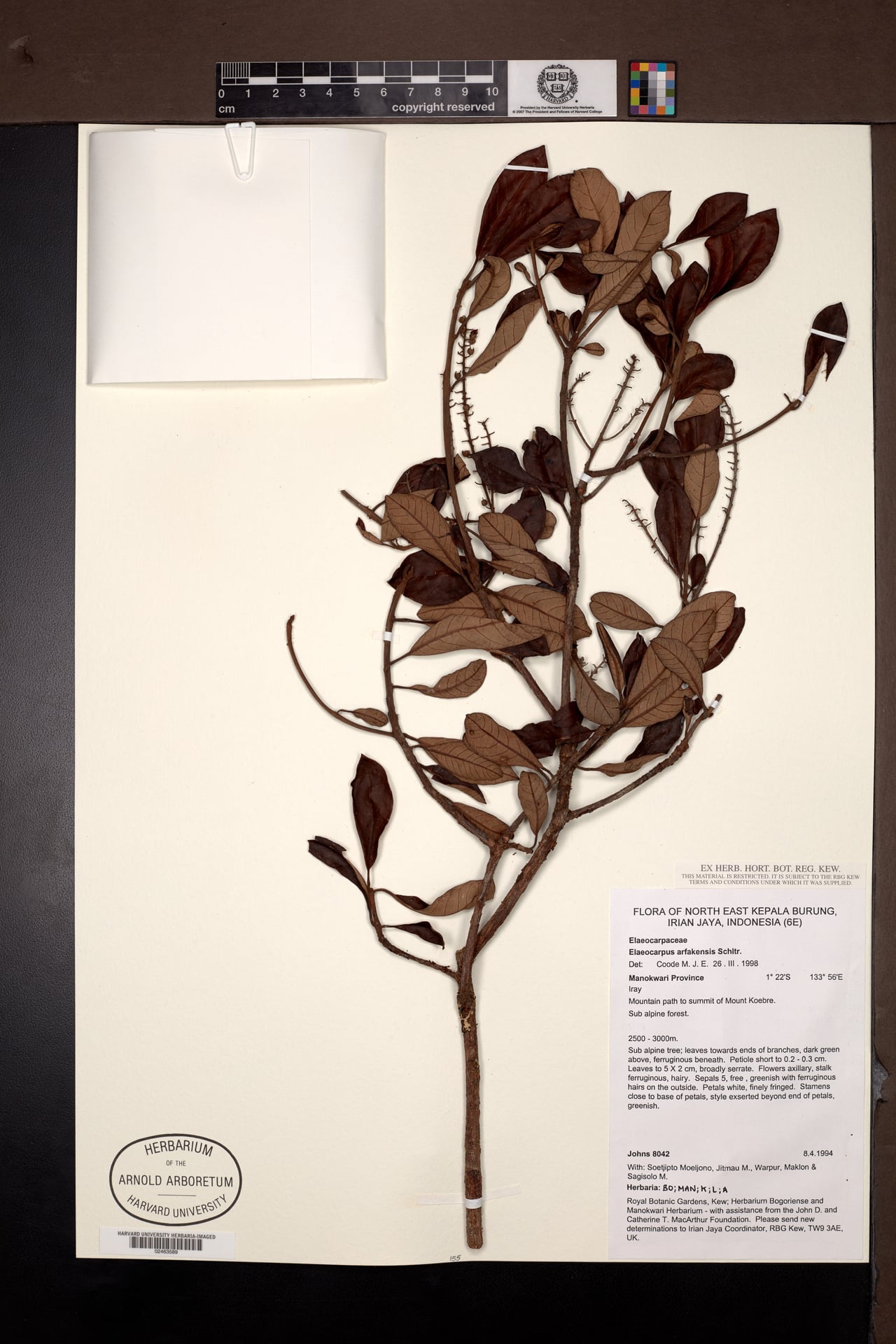
Elaeocarpus arfakensis
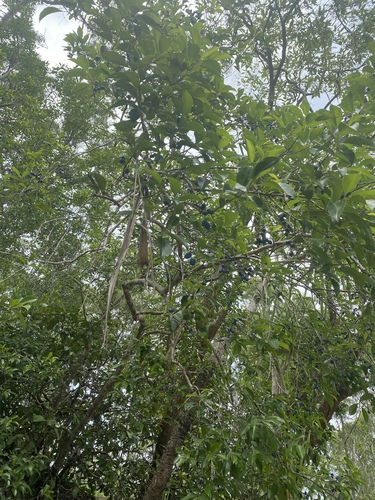
Elaeocarpus arnhemicus
Arnhem Land quandong, Bony Quandong
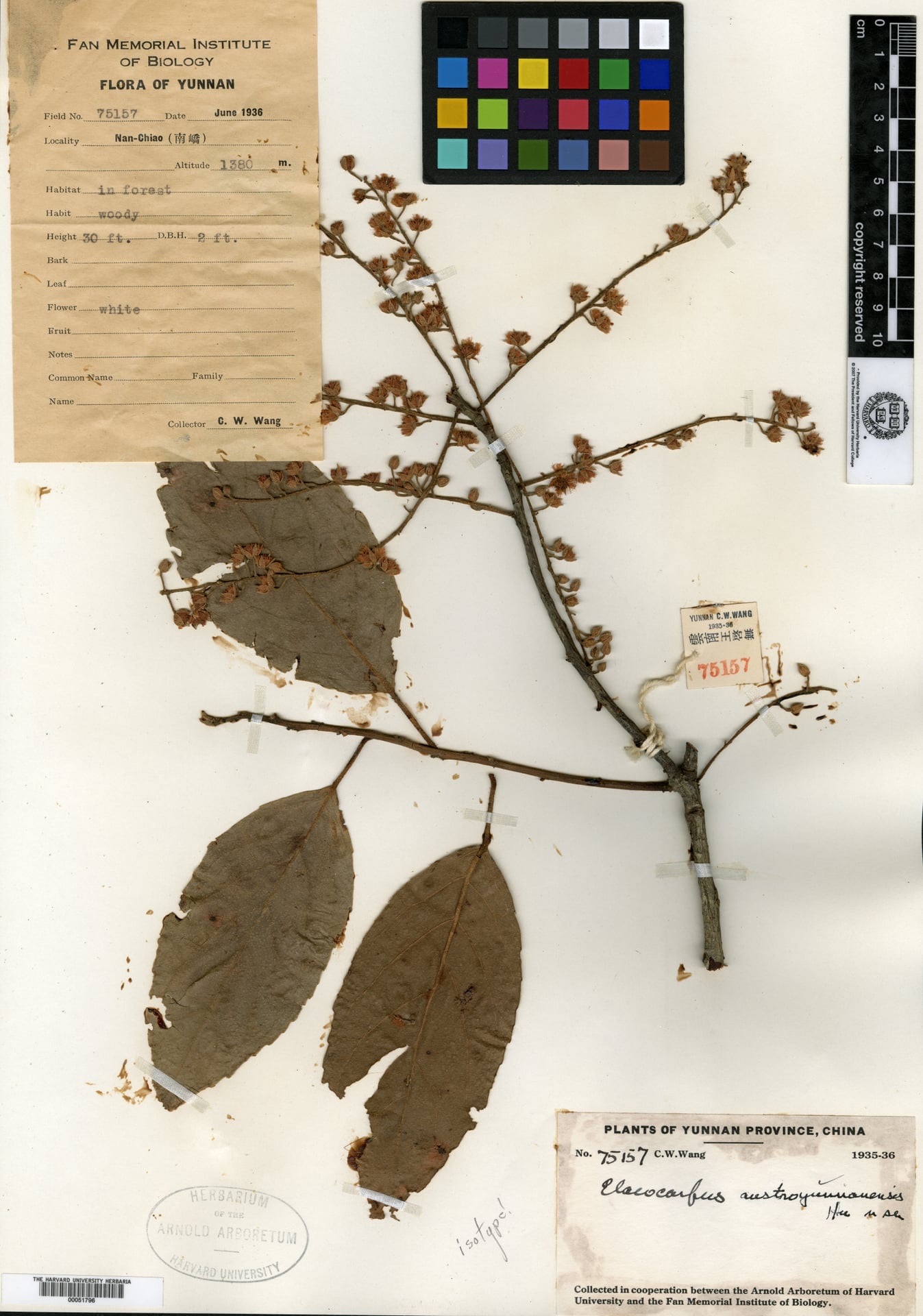
Elaeocarpus austroyunnanensis
Elaeocarpus bancroftii
Queensland almond, Karanda nut, Johnson River almond, Ebony Heart, Kuranda quandong, Grey nut
Elaeocarpus blepharoceras