Suaeda palmeri
Standl.
iNaturalist· cc-by-nc
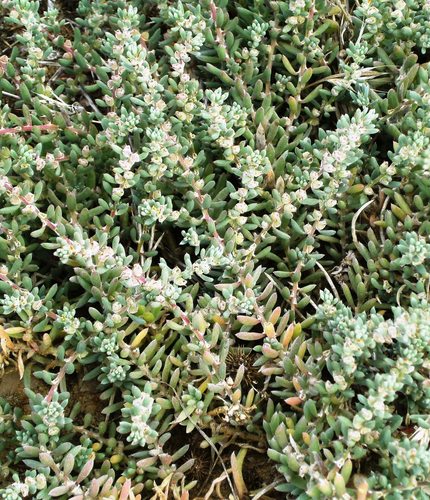
(c) Pedro Nájera Quezada, some rights reserved (CC BY-NC), uploaded by Pedro Nájera Quezada
iNaturalist· cc-by-nc-sa
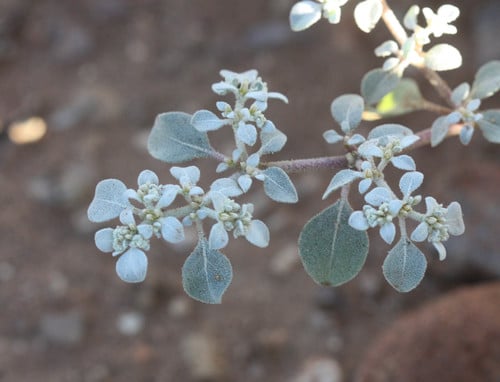
(c) María Alejandra González, some rights reserved (CC BY-NC-SA)
iNaturalist· cc-by-nc
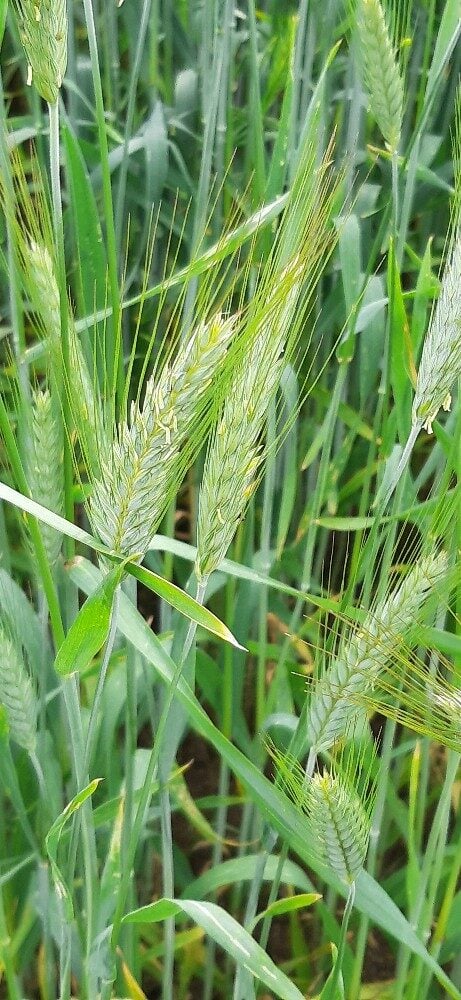
(c) Brandon Rivera Corona, some rights reserved (CC BY-NC)
Summary
Annual herb with wind-pollinated hermaphrodite flowers. Grows across light sandy, medium loamy, and heavy clay soils in mildly acidic to basic pH ranges, including saline conditions. Requires full sun and moist soil, tolerating coastal exposure well.
Description
Annual herb with wind-pollinated hermaphrodite flowers. Grows across light sandy, medium loamy, and heavy clay soils in mildly acidic to basic pH ranges, including saline conditions. Requires full sun and moist soil, tolerating coastal exposure well.
Edible Uses
The leaves can be eaten raw or cooked and have a salty flavour.
Medicinal Uses
None known
Distribution
It is a temperate plant.
Where It Grows
North America, USA,
Cultivation
We have very little information on this species and do not know if it will be hardy in Britain, though judging by its native range it could succeed outdoors at least in the milder parts of this country. This species does not appear in the Flora of North America. It dislikes shade, see the plants native range for other ideas on its cultivation needs.
Propagation
Sow seed in spring, direct in situ.
Other Uses
None known
Notes
Also put in the family Chenopodiaceae.
References (2)
- Plants for a Future database, The Field, Penpol, Lostwithiel, Cornwall, PL22 0NG, UK. http://www.scs.leeds.ac.uk/pfaf/
- World Checklist of Useful Plant Species 2020. Royal Botanic Gardens, Kew