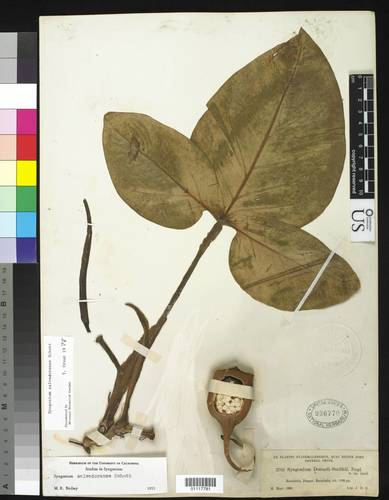
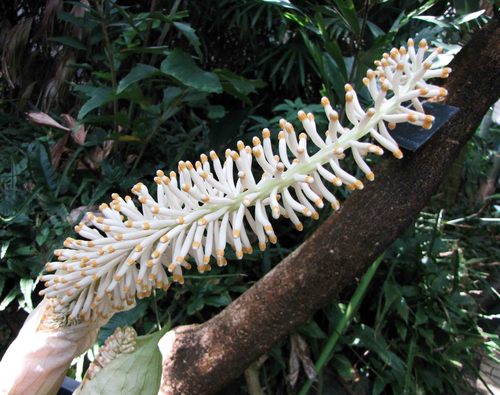
Arisarum simorrhinum
Durieu
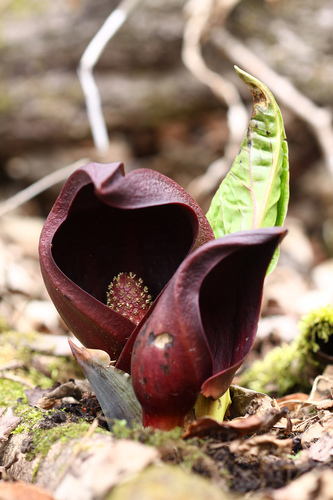
iNaturalist· cc-by-nc
(c) Sonja Bouwman-Gringhuis, some rights reserved (CC BY-NC), uploaded by Sonja Bouwman-Gringhuis
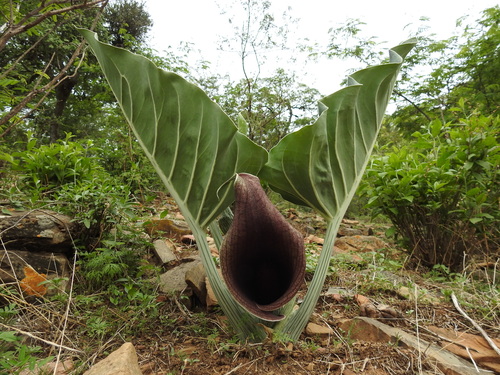
iNaturalist· cc-by-nc
(c) ujandt, some rights reserved (CC BY-NC), uploaded by ujandt
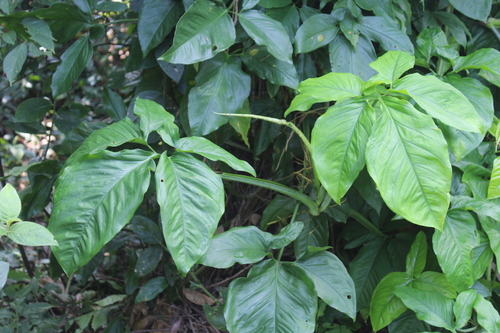
iNaturalist· cc-by-nc
(c) Susanne Vogel, some rights reserved (CC BY-NC), uploaded by Susanne Vogel
Summary
Source: WikipediaArisarum simorrhinum is species of flowering plant of the family Araceae. It is native to the western Mediterranean Basin (Iberian Peninsula and northwest Maghreb).
Description
A tuber plant. It keeps growing from year to year. It can form colonies. There is one leaf which is yellow green. The blade is spearhead shaped. It is 5-13 cm long. The leaf stalk is mottled. It is 30 cm long. The flower appears below the leaves. The bract around the flower is hooded and green. It is broader and shorter than for Friar's cowl (Arisum vulgare) and can be striped. The fruit stalk is fleshy and green and greatly swollen at the tip. It does not show above the bract. The fruit are green berries.
Edible Uses
The running rootstock is gathered, dried, and ground to a powder, then mixed with barley or wheat flour.
Traditional Uses
The running rootstock is gathered, dried and ground to a powder then mixed with the flour of barley or wheat.
This uses section is brief — help expand it
Known Hazards
Should not be eaten in large quantities.
Distribution
It is a Mediterranean climate plant. It grows in rocky places.
Where It Grows
Africa, Europe, Mediterranean, North Africa, Spain, Tunisia,
Notes
It should not be eaten in large quantities. There are 3 Arisarum species.
Also Known As
Abbouq, Airni, Candil, Cebot el -ghoula, Hierni, Idjened, Kelb el-beqouqa, Ouden el-fil, Quaba, Rejel el begra, Taourza, Tikilmout, Tioughda, Tiqqenousine
References (4)
- Blamey, M and Grey-Wilson, C., 2005, Wild flowers of the Mediterranean. A & C Black London. p 505
- Blanco-Salas, J., et al, 2019, Wild Plants Potentially Used in Human Food in the Protected Area “Sierra Grande de Hornachos” of Extremadura (Spain). Sustainability 2019, 11, 456
- BOUQUET
- Lim, T. K., 2015, Edible Medicinal and Non Medicinal Plants. Volume 9, Modified Stems, Roots, Bulbs. Springer p 12