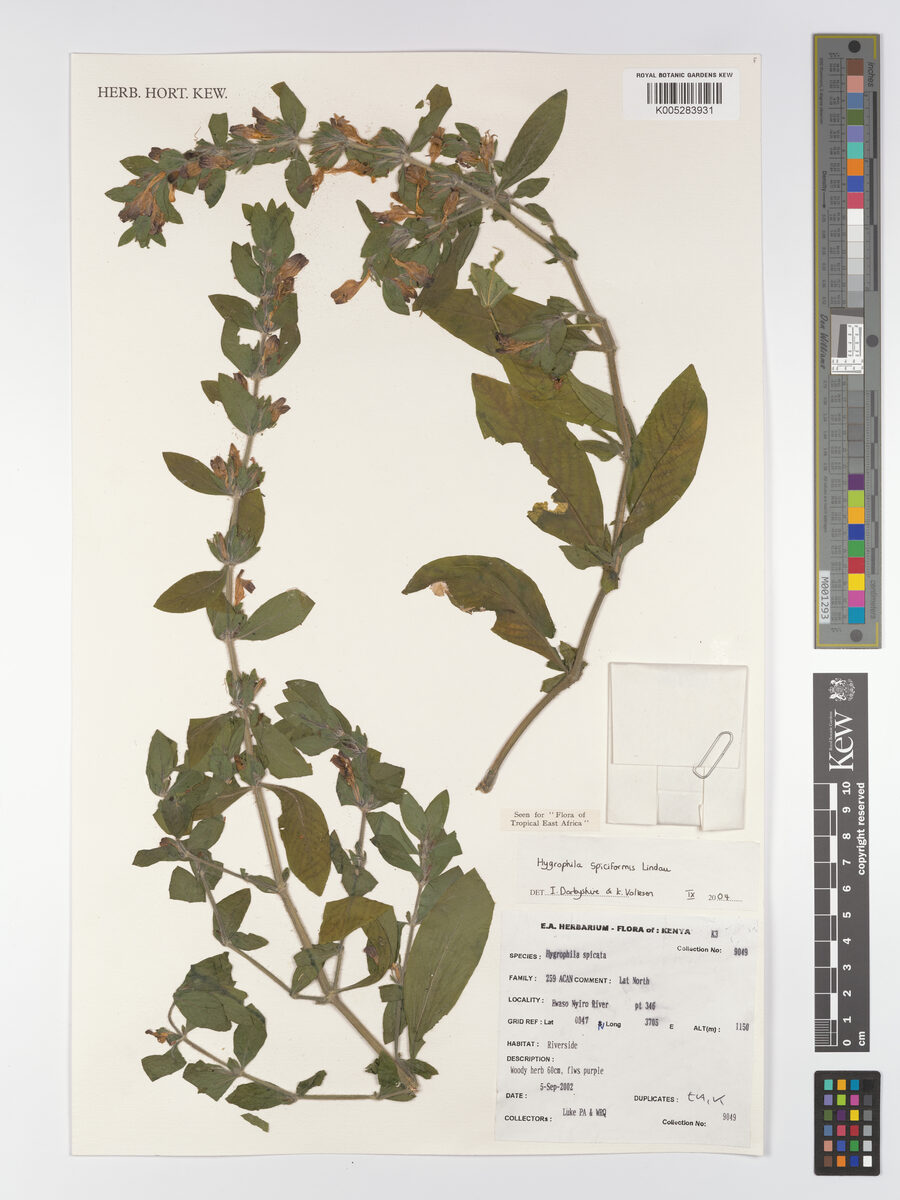
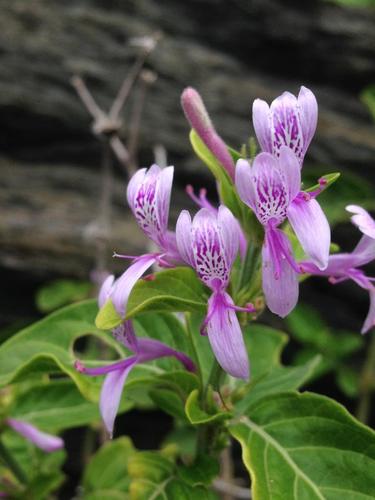
Strobilanthes hamiltoniana
(Steud.) Bosser & Heine
Chinese rain bell, Cone-flower
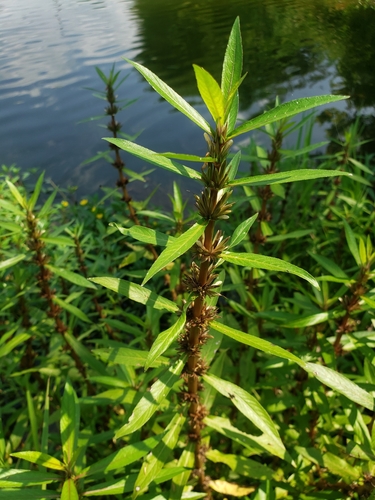
iNaturalist· cc-by-nc
(c) wai8877, some rights reserved (CC BY-NC)
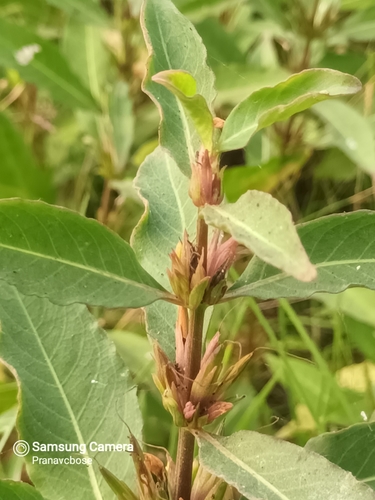
iNaturalist· cc-by-nc
(c) Albert Kang, some rights reserved (CC BY-NC), uploaded by Albert Kang
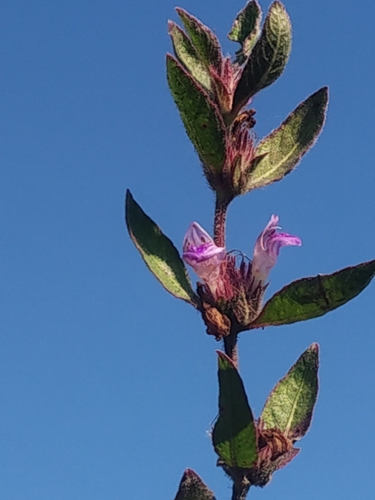
iNaturalist· cc-by-nc
(c) klearad, some rights reserved (CC BY-NC), uploaded by klearad
Description
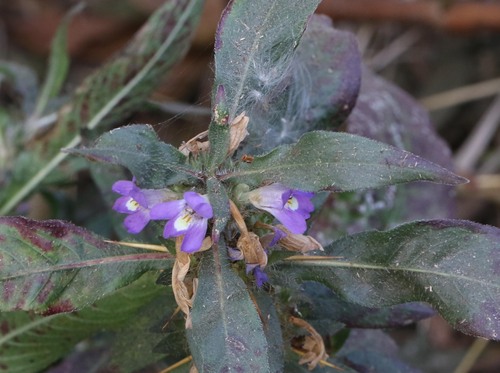
A herb or shrub. It grows 1.5 m tall. The stems are 4 angled. The leaves are oval or sword shaped and 5-19 cm long by 2-9 cm wide. They are in opposite pairs with one smaller than the other. The flowers are in the axils of leaves or at the end of branches and in groups 30 cm long. When in flower the stems hang over. The flowers are pink and tube shaped.
Edible Uses
The shoots and leaves are cooked and eaten as a vegetable.
Traditional Uses
The shoots and leaves are cooked and eaten as a vegetable.
This uses section is brief — help expand it
Distribution
It is a tropical plant. In China it grows in forests on mountain slopes between 800-2,000 m above sea level. It is damaged by frost.
Where It Grows
Asia, Australia, Bhutan, China, Himalayas, India, Indochina, Indonesia, Myanmar, Nepal, Northeastern India, SE Asia, Thailand, Tibet,
Cultivation
It can be grown from cuttings.
Notes
There are about 250 Strobilanthes species.
Synonyms
Also Known As
Lonceng hujan cina, Samoong, Sam-si-phara
References (4)
- Bodkin, F., 1991, Encyclopedia Botanica. Cornstalk publishing, p 954 (As Strobilanthes coloratus)
- Maikhuri, R, K, and Gangwar, A. K., 1993, Ethnobiological Notes on the Khasi and Garo Tribes of Meghalaya, Northeast India, Economic Botany, Vol. 47, No. 4, pp. 345-357 (As Strobilanthes coloratus)
- READ, (As Strobilanthes coloratus)
- Sukarya, D. G., (Ed.) 2013, 3,500 Plant Species of the Botanic Gardens of Indonesia. LIPI p 719