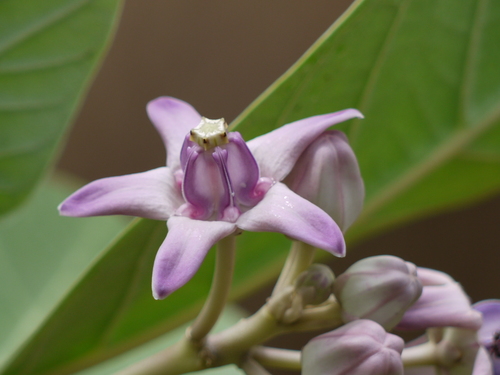
Stapelia kwebensis
N. E. Br.
Stapelia
iNaturalist· cc-by-nc
(c) Grant Reed, some rights reserved (CC BY-NC), uploaded by Grant Reed
iNaturalist· cc-by-nc-nd
(c) Martin Heigan, some rights reserved (CC BY-NC-ND)
iNaturalist· cc-by-nc
(c) Christine Sydes, some rights reserved (CC BY-NC), uploaded by Christine Sydes
Description
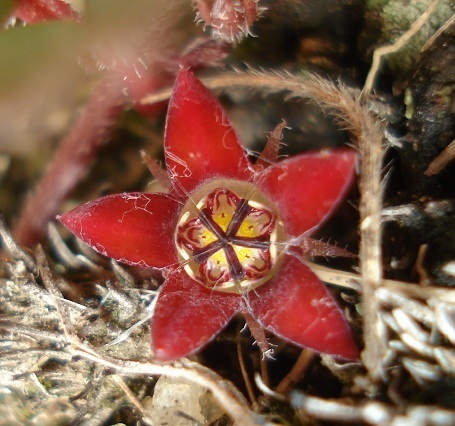
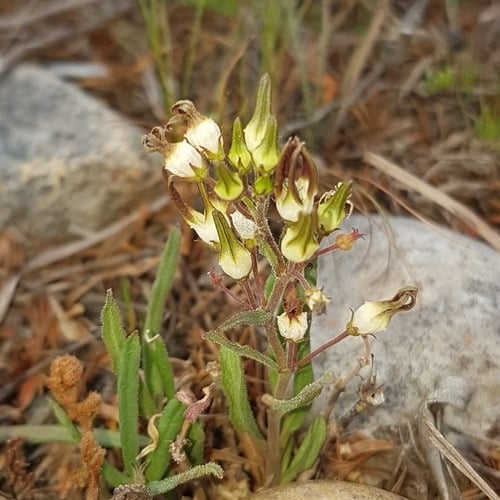
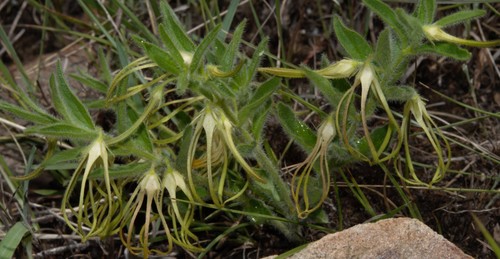
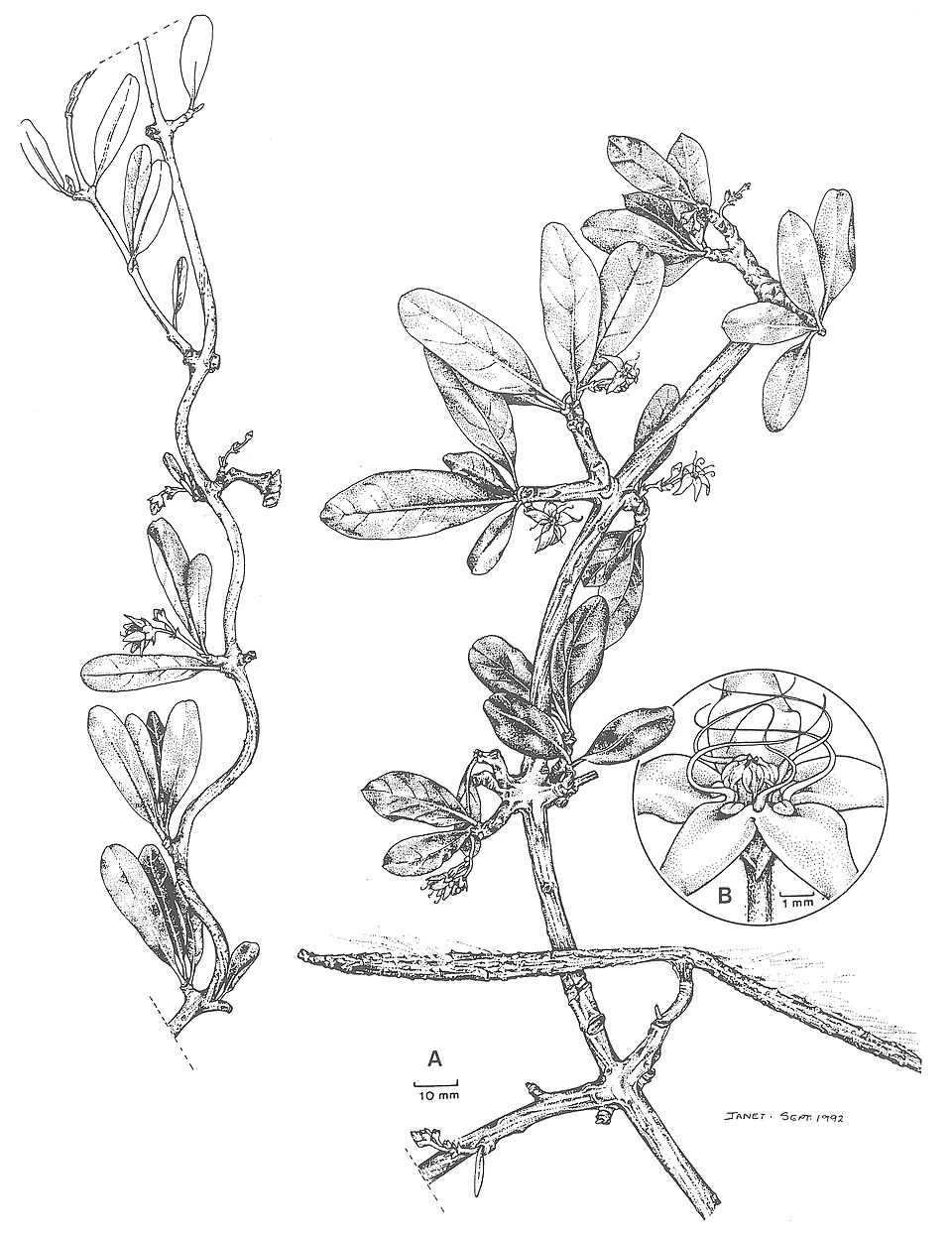
A succulent herb which keeps growing from year to year. It does not have leaves. It forms compact clumps 5-50 cm across. It grows 15 cm high. The stems can be 20 cm long by 1-2 cm thick. The flowers are hairy and there are 1-3 flowering stalks per stem with 1-6 flowers each. The flowers are 2-5 cm across. The flowers vary in colour from purple to green or red or brown.
Edible Uses
The stems are eaten raw or roasted in ashes. The roots are used in vegetable dishes or roasted in ashes.
Traditional Uses
The stem is eaten raw. It is also roasted in the ashes. The roots are used in vegetable dishes. They are also roasted in the ashes.
This uses section is brief — help expand it
Distribution
A subtropical plant. They grow in dry arid locations. It suits semiarid tropical and subtropical regions. It can grow in areas with a dry season of 6-11 months. It is often on soils from limestone rock. In southern Africa it grows between 600-1,900 m altitude. It can grow in arid places.
Where It Grows
Africa, Botswana, Namibia, South Africa, Southern Africa,
Cultivation
Plants can be grown by division.
Propagation
Seed - takes about a year to ripen, but germinates rapidly after sowing. Fresh seed usually germinates better. Sow the seed in a container in a well-drained, light, sandy soil mixed with compost and cover with a thin layer of soil. Keep the temperature at 25 - 35°c, in a shaded and fairly moist position. Keep seedlings well ventilated and in good light to prevent damping off. Once the seedlings are about 50mm high, they can be pricked out and planted (be careful not to damage the roots when pricking out!). Cuttings should be taken during the active growing stage to ensure good rooting, before the plants enter their dormant phase. Plants grow easily from cuttings as long as they are given adequate time to dry out before planting (at least two weeks). Leave the cuttings in the shade to dry out, then place them in a well-ventilated area with about 40% shade. Water daily during very hot weather. Plants that do not grow well from cuttings can also be propagated by grafting.
Notes
There are about 50 Stapelia species.
Also Known As
Da:daba