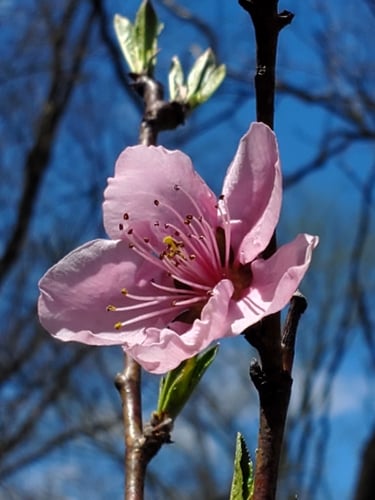
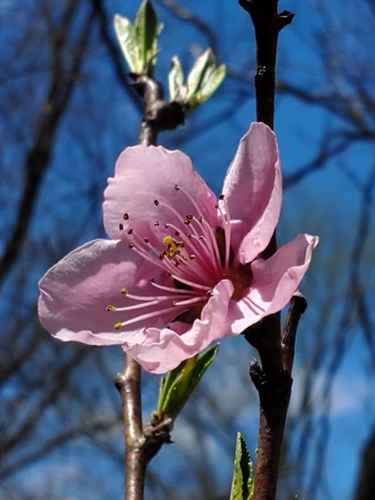
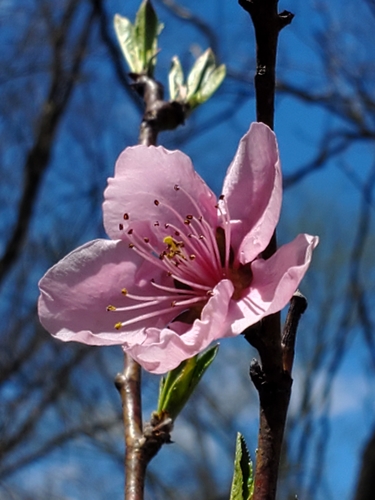
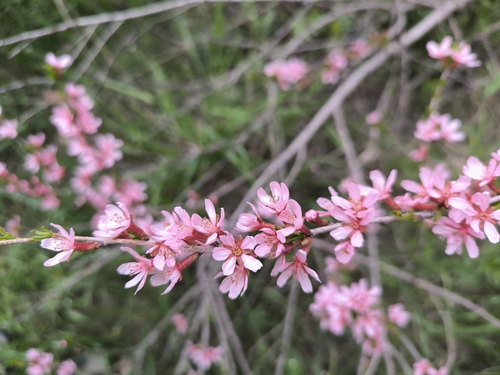
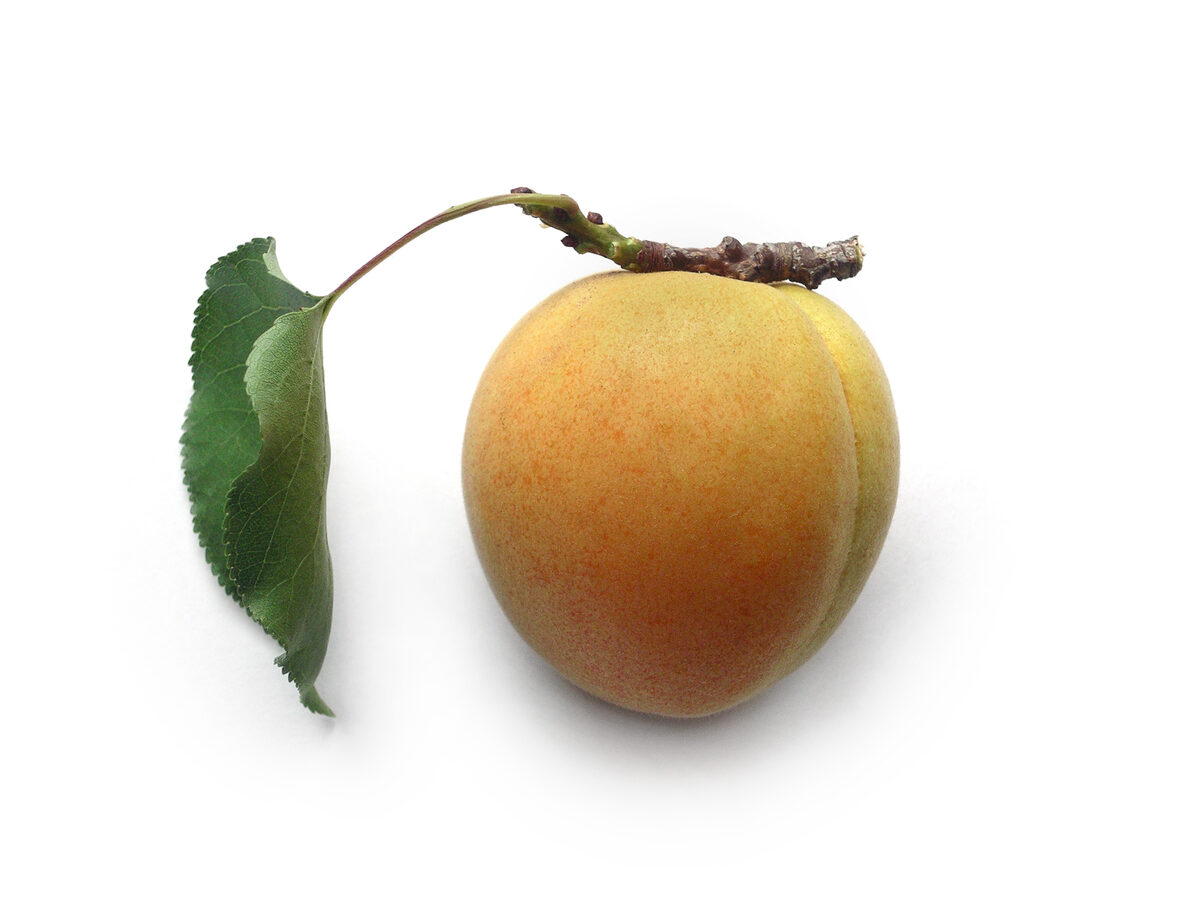
Sorbopyrus species
gbif· cc-by
GBIF
Summary
Deciduous tree reaching 10 m tall. Hardy to UK zone 5. Leafy May to November, flowering in April with seeds ripening in August. Hermaphroditic and insect-pollinated. Accommodates light sandy, medium loamy, and heavy clay soils with well-drained preference. Mildly acid to mildly alkaline pH suitable. Grows in semi-shade or full sun, prefers moist soil.
Description
Deciduous tree reaching 10 m tall. Hardy to UK zone 5. Leafy May to November, flowering in April with seeds ripening in August. Hermaphroditic and insect-pollinated. Accommodates light sandy, medium loamy, and heavy clay soils with well-drained preference. Mildly acid to mildly alkaline pH suitable. Grows in semi-shade or full sun, prefers moist soil.
Edible Uses
The fruit can be eaten raw or cooked.
Medicinal Uses
None known
Distribution
It is a temperate plant. It suits hardiness zone 3.
Where It Grows
USA,
Propagation
Seed is best sown in a cold frame as soon as it is ripe where possible, otherwise in late winter. The plant produces very little fertile seed and does not breed true, though some interesting plants may result. Prick seedlings out into individual pots when large enough to handle and grow on in a greenhouse through their first winter. Plant out into permanent positions in late spring or early summer after the last expected frosts. Grafting is the most reliable propagation method and is best done in early spring, though budding can be carried out in summer.
Other Uses
None known
Synonyms
References (2)
- Jackes, D. A., 2007, Edible Forest Gardens
- Plants for a Future database, The Field, Penpol, Lostwithiel, Cornwall, PL22 0NG, UK. http://www.scs.leeds.ac.uk/pfaf/