Sorbaria sorbifolia
(L.) A. Braun
False Spiraea, Pearl Mei
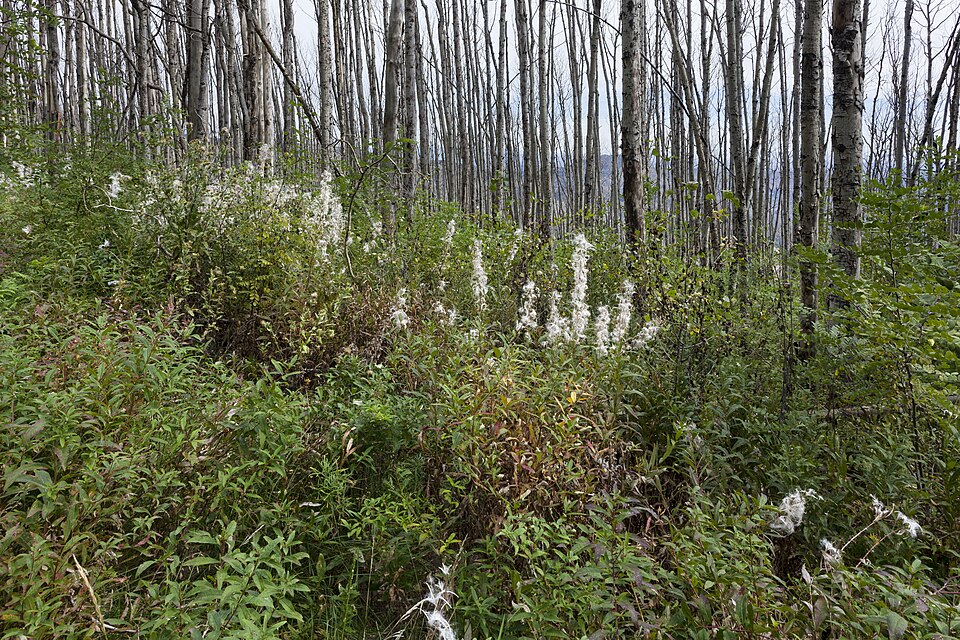
iNaturalist· cc-by-nc
(c) julies329, some rights reserved (CC BY-NC)
iNaturalist· cc-by-nc
(c) Иван Мазаев, some rights reserved (CC BY-NC), uploaded by Иван Мазаев
iNaturalist· cc-by-nc
(c) Aliaksandr Mialik, some rights reserved (CC BY-NC), uploaded by Aliaksandr Mialik
Summary
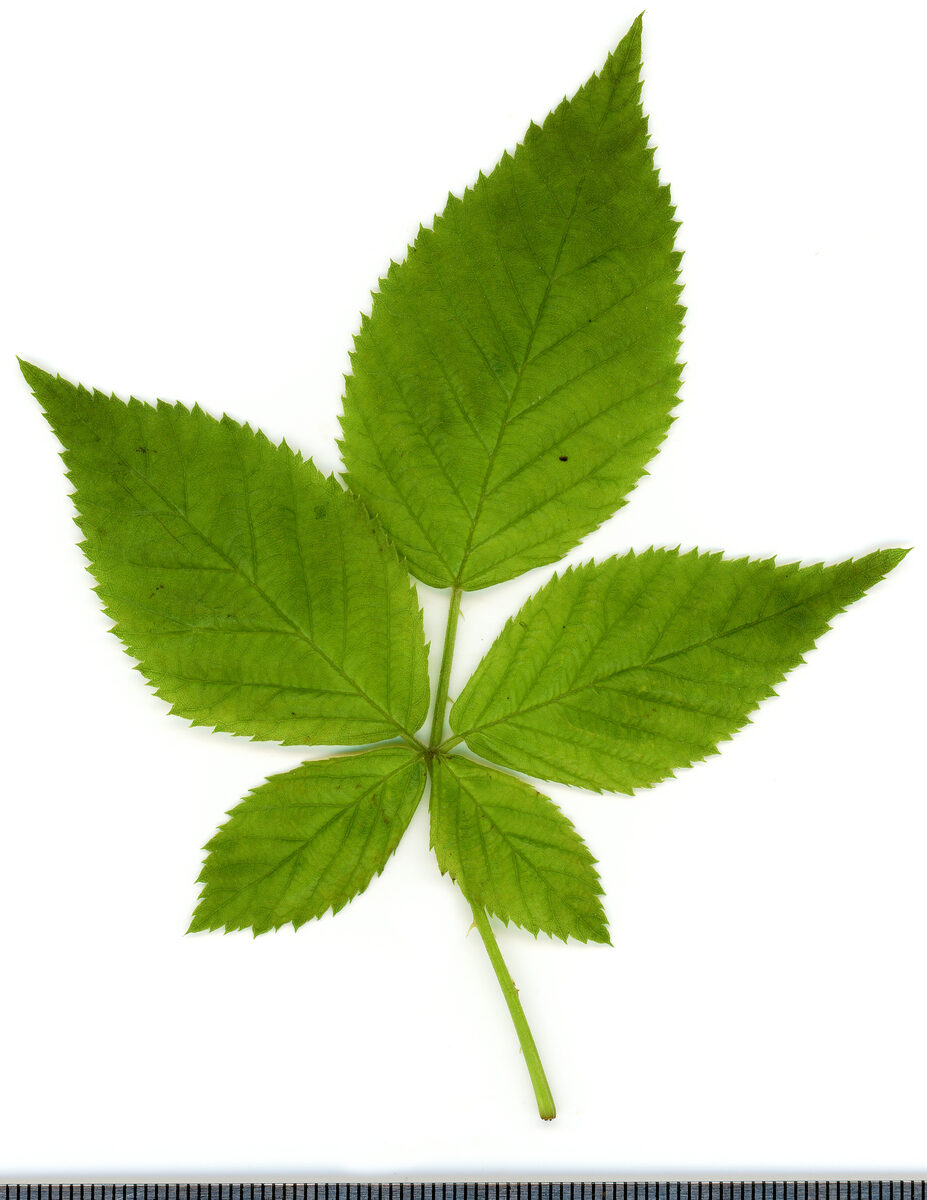
Source: WikipediaSorbaria sorbifolia, the false spiraea, is a species of flowering plant in the family Rosaceae. The common name is also spelled false spirea. Other common names include false goat's beard, sorb-leaved schizonotus, Ural false spirea, and in Chinese: 珍珠梅; pinyin: zhen zhu mei; lit. 'pearl plum'. A deciduous shrub reaching 1–1.5 m (3.3–4.9 ft), it bears compound, alternate, toothed leaflets which have been compared to ferns or sumac. The Latin specific epithet sorbifolia means "with leaves like Sorbus (mountain ash)". In good light the leaves may redden in the autumn before falling. The flowers, appearing in July and August, are white and showy, clustered at the end of the branches. Sorbaria sorbifolia grows naturally in temperate areas of Asia including Siberia, the Far East of Russia, northern China, Japan and Korea. It has been introduced as a garden ornamental elsewhere into Europe and North America. The compact cultivar 'Sem', with multicoloured leaves in shades of yellow, bronze and red, has more erect panicles of flowers than the species. It has gained the Royal Horticultural Society's Award of Garden Merit. It is classified as an invasive alien species in Finland.
Description
A shrub. It grows 3 m high and spreads 3 m wide. It produces suckers. It has stiff upright stems. The leaves have leaflets along the stalks. The flowers are small and white. They occur in upright groups. The flowers have 5 petals.
Edible Uses
Young budlings and leaves can be cooked and eaten. Some caution is advised due to toxicity concerns.
Medicinal Uses
None known
Distribution
It is a temperate plant. In north China it grows in open forests between 200-1,500 m above sea level. It suits hardiness zones 2-9.
Where It Grows
Asia, Australia, China, Japan, Korea, Mongolia, Russia, Siberia, Slovenia,
Propagation
Sow seed in a cold frame as soon as it is ripe where possible, otherwise in late winter. Prick seedlings out into individual pots when large enough to handle and grow on in a greenhouse through their first winter. Plant out into permanent positions in late spring or early summer after the last expected frosts. Suckers can be divided during the dormant season. Root cuttings can be taken in late winter.
Other Uses
None known
Notes
There are 4 Sorbaria species. They are native to Asia.
Synonyms
Also Known As
Jerebikasta medvejka, Zhenzhumei
References (6)
- P. F. A. Ascherson, Fl. Brandenburg 1(1):177. 1860
- Cundall, P., (ed.), 2004, Gardening Australia: flora: the gardener's bible. ABC Books. p 1355
- Flora of China @ efloras.org Volume 9
- http://www.botanic-gardens-ljubljana.com/en/plants
- Plants for a Future database, The Field, Penpol, Lostwithiel, Cornwall, PL22 0NG, UK. http://www.scs.leeds.ac.uk/pfaf/
Show all 6 references Hide references
- Valder, P., 1999, The Garden Plants of China. Florilegium. p 332