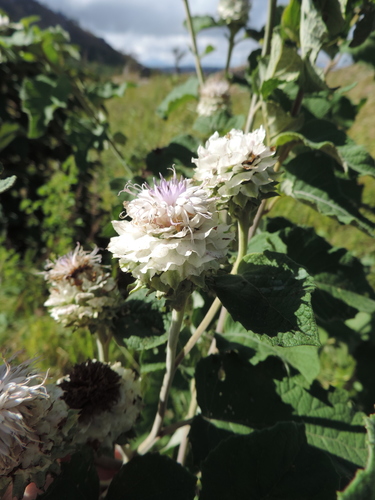
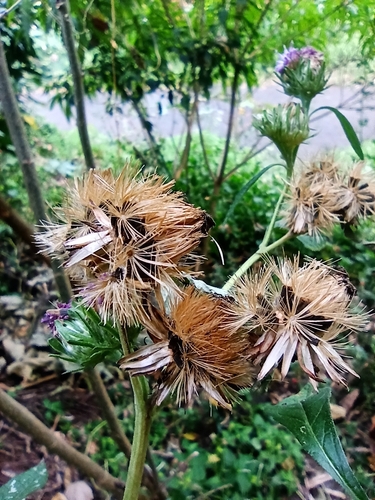
Senecio cannabifolius
Less.
Aleutian Ragwort
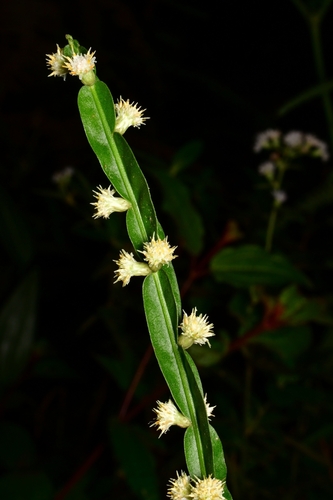
iNaturalist· cc-by-nc
(c) Владимир Бурый, some rights reserved (CC BY-NC)
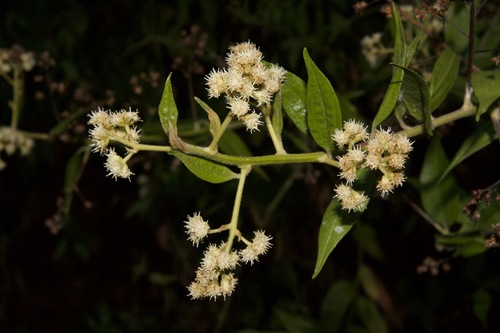
iNaturalist· cc-by-nc
(c) Владимир Бурый, some rights reserved (CC BY-NC)
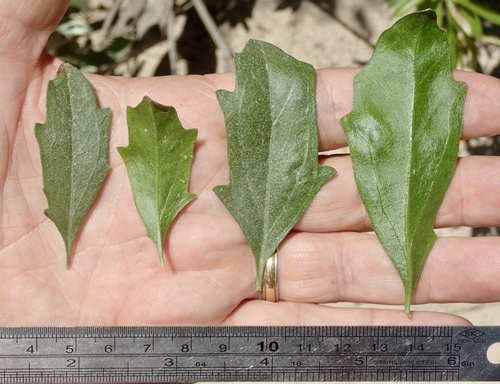
iNaturalist· cc-by-nc
(c) Илья Сухов, some rights reserved (CC BY-NC)
Summary
Senecio cannabifolius is a perennial reaching 2 m tall, hardy to UK zone 5. The hermaphroditic plant is insect-pollinated and grows in light sandy, medium loamy, and heavy clay soils with good drainage. It tolerates mildly acid, neutral, and basic pH soils, requiring full sun and preferring moist conditions.
Description
A herb. It grows 1-2 m tall. It keeps growing from year to year. It has rhizomes. Lower leaves fall off. The leaves on the stem clasp the stem. They are 11-30 cm long by 4-15 cm wide. They are pale green underneath. They can be divided into 5-7 lobes along the edge. The leaves higher up get small and may be less divided.
Edible Uses
Leaves and stems are edible cooked. Any bitter taste should be removed by leaching the leaves or boiling them in more than one change of water. Some caution is advised given the plant's noted toxicity.
Traditional Uses
Caution: It contains chemicals that cause cancer and therefore needs treatment.
This uses section is brief — help expand it
Medicinal Uses
The plant is anodyne, antirheumatic, contraceptive, and used in the treatment of skin complaints, and it stimulates the circulation. A decoction is used for amenorrhoea, abdominal distension and cramps, traumatic injuries, bruises, and swellings. The part of the plant used is not specified in available sources.
Known Hazards
Although no mention of toxicity has been seen for this species, it belongs to a genus that contains a number of plants with a cumulative poisonous effect on the liver. Some caution is advised.
Distribution
It is a temperate plant.
Where It Grows
Alaska, Asia, China, Japan, Korea, Mongolia, North America, Russia, Siberia, USA,
Cultivation
Succeeds in a sunny position in most moderately fertile well-drained soils.
Propagation
Seed - sow in spring in a greenhouse, barely covering the seed, and keep the compost moist. Prick out seedlings into individual pots when large enough to handle and plant out in early summer if they have grown sufficiently. Otherwise overwinter in a greenhouse or cold frame and plant out the following year after the last expected frosts. Division in spring. Root cuttings in early spring.
Other Uses
None known.
Notes
There are over 1000 Senecio species.