Scorpiurus muricatus
L.
Prickly Scorpionstail
iNaturalist· cc-by-nc
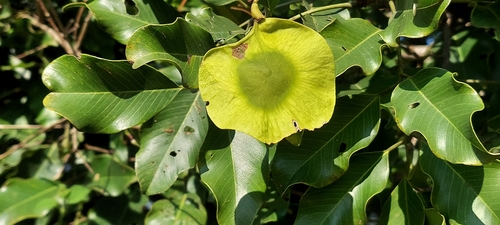
(c) faluke, some rights reserved (CC BY-NC), uploaded by faluke
iNaturalist· cc-by-nc
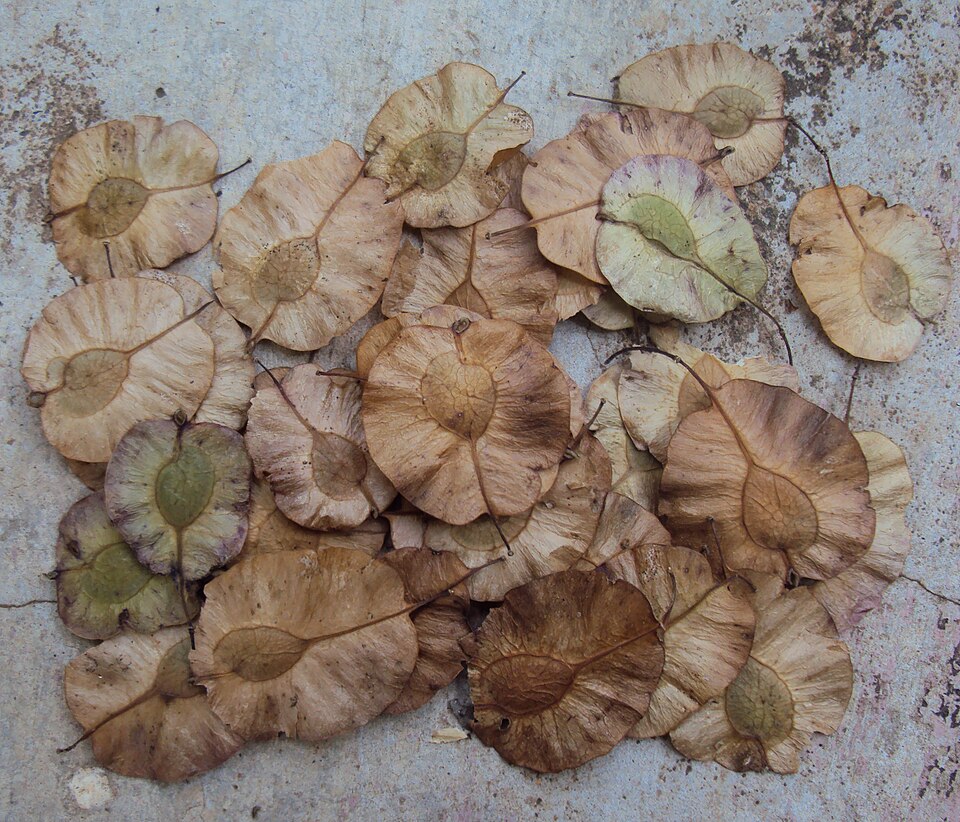
(c) klitis56, some rights reserved (CC BY-NC)
iNaturalist· cc-by-nc
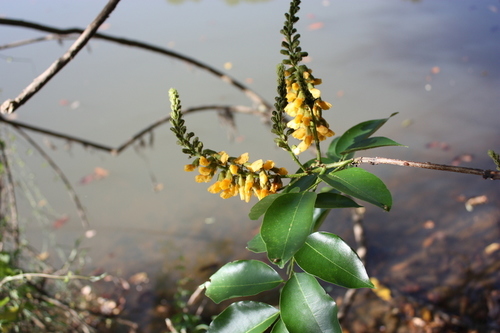
(c) Ron Frumkin, some rights reserved (CC BY-NC)
Summary
Source: WikipediaScorpiurus muricatus, the caterpillar-plant or prickly scorpion's-tail, is an annual leguminous plant native to southern Europe and the region of Syria with tiny pea-like flowers and simple leaves uncharacteristic of a legume. Its contorted, pubescent pods give rise to its common name "prickly caterpillar". Extracts of the species have been found to have allelopathic effects on microbes of the genus Fusarium due to the high concentration of phytoalexins in the plants' tissues. This is mainly a garden plant used as a groundcover. Its densely haired pods may be added to salads for interest, and its leaves used as a salad herb in some Mediterranean countries.
Description
A low sprawling annual herb. It has simple leaves. The leaves are oval but broadest above the middle. They often have 3 prominent parallel veins. The flowers are yellow and can have red or purple spots. They are 5-10 mm long. They are in long stalked clusters of 2-5 flowers. The fruit are curled pods. They are 30-50 mm long. Sometimes these have long slender processes on them.
Edible Uses
Young seedpods can be eaten raw or cooked. The flavour is very indifferent, and the pods are included as food mainly because they closely resemble caterpillars and can cause amusement at the table.
Traditional Uses
The young pods are eaten as a vegetable. The young leaves are used in stews and raw in salads. They are also boiled and then fried.
This uses section is brief — help expand it
Medicinal Uses
None known.
Distribution
It is a Mediterranean climate plant. It grows in fields and waste places.
Where It Grows
Africa, Asia, Europe, France, Greece, Iraq, Italy, Japan, Mediterranean, Middle East, Morocco, North Africa, Portugal, Spain, Turkey, Türkiye,
Cultivation
We have very little information on this species and do not know if it will succeed outdoors in Britain, though it should be possible to grow it at least as a frost-tender annual. It is likely to require a sunny position in a light or medium well-drained soil. This species has a symbiotic relationship with certain soil bacteria, these bacteria form nodules on the roots and fix atmospheric nitrogen. Some of this nitrogen is utilized by the growing plant but some can also be used by other plants growing nearby. When removing plant remains at the end of the growing season, it is best to only remove the aerial parts of the plant, leaving the roots in the ground to decay and release their nitrogen.
Propagation
Seed: sow in spring in a greenhouse and plant out after the last expected frosts. Sowing in situ in April may also be worthwhile.
Other Uses
None known.
Notes
There are 2 Scorpiurus species.
Synonyms
Also Known As
Elkemwa, Gulaxazem-xazemoka, Kelwet larneb, Oreja de liebre
References (7)
- Arora, R. K., 2014, Diversity in Underutilized Plant Species - An Asia-Pacific Perspective. Bioversity International. p 50
- Blamey, M and Grey-Wilson, C., 2005, Wild flowers of the Mediterranean. A & C Black London. p 105
- Galalaey, A. M. K., et al, 2021, Ethnobotanical study of some wild edible plants in Hujran Bason, Kurdistan Region of Iraq. ZANCO Journal of Pure and Applied Sciences. Salahaddin University-Erbil p 27
- Morley, B. & Everard, B., 1970, Wild Flowers of the World. Ebury press. Plate 29
- Plants for a Future database, The Field, Penpol, Lostwithiel, Cornwall, PL22 0NG, UK. http://www.scs.leeds.ac.uk/pfaf/
Show all 7 references Hide references
- Sp. pl. 2:745. 1753 "muricata"
- Tardio, J., et al, Ethnobotanical review of wild edible plants in Spain. Botanical J. Linnean Soc. 152 (2006), 27-71 (Also as Scorpiurus subvillosus)