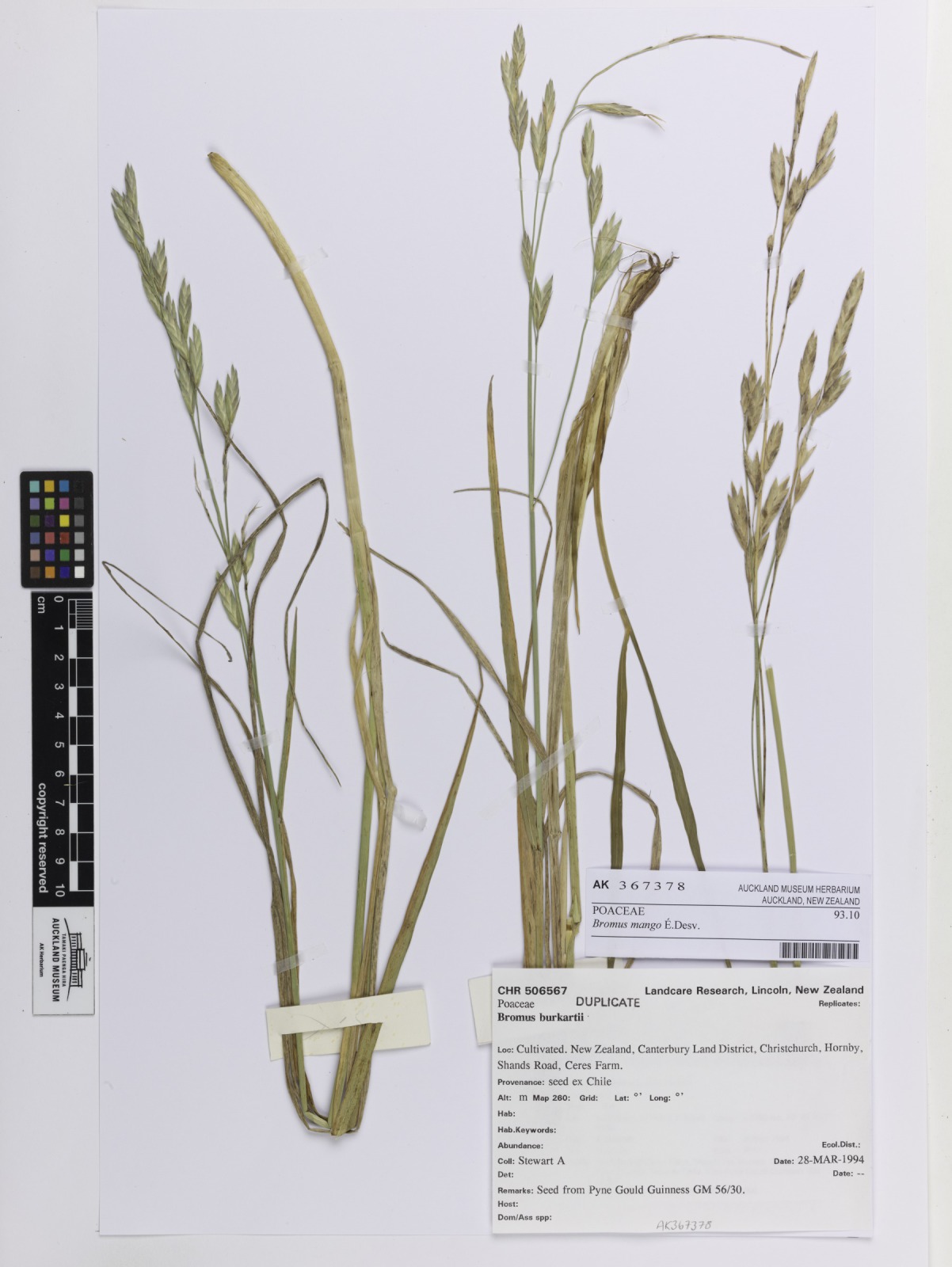
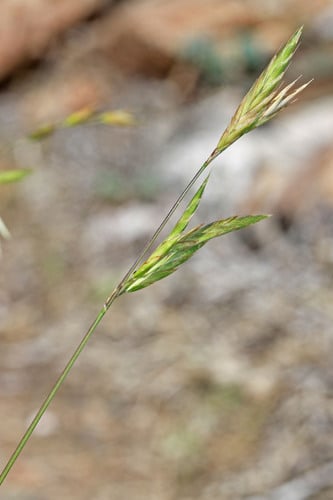
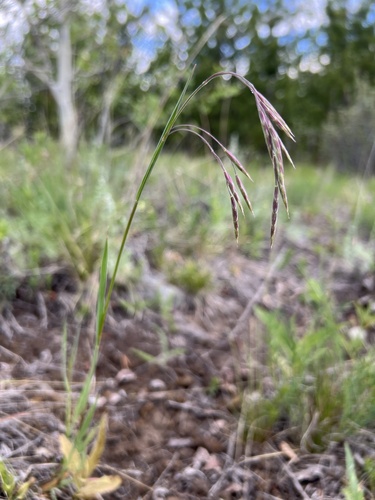
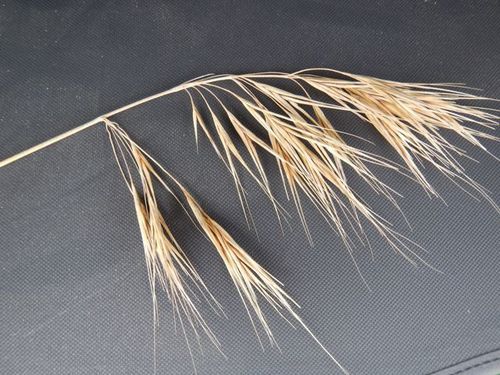
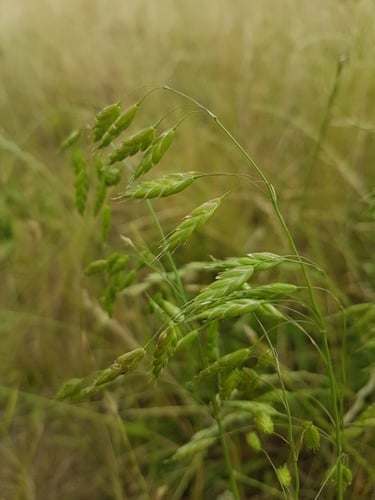
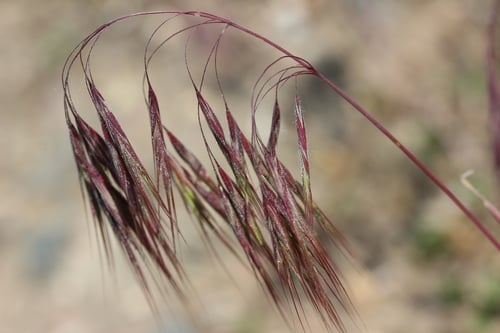
Sasa kurilensis
(Rupr.) Makino & Shibata
Chishima zasa
iNaturalist· cc-by-nc
(c) SD, some rights reserved (CC BY-NC), uploaded by SD
iNaturalist· cc-by-nc
(c) andrey19780619, some rights reserved (CC BY-NC)
Summary
Source: WikipediaA tall evergreen bamboo reaching 2.5 m with persistent year-round foliage. Hermaphroditic and wind-pollinated flowers are uncommon. Hardy to UK zone 7. Tolerates sandy, loamy, and clay soils from mildly acidic to basic pH. Grows in semi-shade and prefers consistently moist conditions.
Description
A running bamboo. It grows 1 m tall. The leaves are thick and have a wavy edge.
This description is brief — help expand it
Edible Uses
Young shoots are cooked and are so popular in Japan that collectors must obtain a license to harvest them. The seed can be used as a cereal grain, though it is only produced at intervals of many years.
Traditional Uses
The young shoots are eaten either cooked, canned or preserved. The seeds are also eaten.
This uses section is brief — help expand it
Medicinal Uses
Research into the leaves has identified a compound with potential as a cancer cure.
Distribution
It is very cold tolerant. It can grow in sun or light shade. It can tolerate temperatures to -21°C. It suits hardiness zone 7.
Where It Grows
Asia, Australia, Japan*, Korea, Russia, USA,
Propagation
Surface sow seed as soon as it is ripe in a greenhouse at about 20°C, or sow stored seed as soon as it is received. Keep the compost moist. Germination is usually fairly quick in good-quality seed, though it may take 3–6 months. Prick seedlings into individual pots when large enough and grow on in light shade in the greenhouse until big enough to plant out, which may take several years. Seed is rarely available as plants only flower at intervals of several years. For division, work in late spring as new growth begins. Take large divisions with minimal root disturbance to the main clump, and grow on in light shade in a greenhouse in pots of high-fertility sandy medium. Mist the foliage regularly until established, then plant out once a good root system has formed, which can take a year or more. Divisions of fewer than 5–6 culms rarely succeed.
Other Uses
The plant's rampant root system makes it useful for soil stabilization schemes, and it also serves as a tough, vigorous groundcover for difficult sites. The canes are used to make particle boards such as hardboard, and the fibre dimensions make the material better suited to thick paper and fibreboard than to thin papers. Yields in Japan reach around 45 tonnes per hectare, though the cost of gathering and bundling the canes makes commercial use difficult. The canes are also widely used as plant supports.
Notes
There are 60 Sasa species. They are bamboos from NE Asia.
Synonyms
References (8)
- Bot. Mag. (Tokyo) 15:27. 1901
- Facciola, S., 1998, Cornucopia 2: a Source Book of Edible Plants. Kampong Publications, p 47
- Hibbert, M., 2002, The Aussie Plant Finder 2002, Florilegium. p 287
- http://www.plantnames.unimelb.edu.au/sorting/Bamboos_Edible.html
- Jackes, D. A., 2007, Edible Forest Gardens
Show all 8 references Hide references
- Plants for a Future database, The Field, Penpol, Lostwithiel, Cornwall, PL22 0NG, UK. http://www.scs.leeds.ac.uk/pfaf/
- Ryan, S., 2008, Dicksonia. Rare Plants Manual. Hyland House. p 87
- Tanaka,