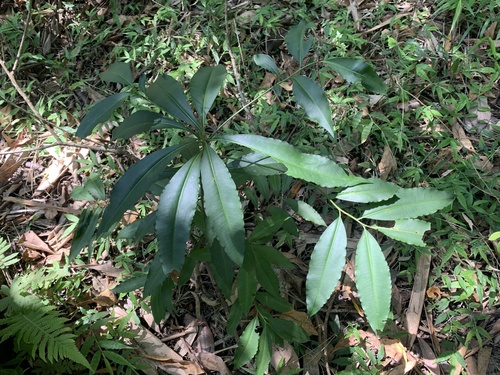
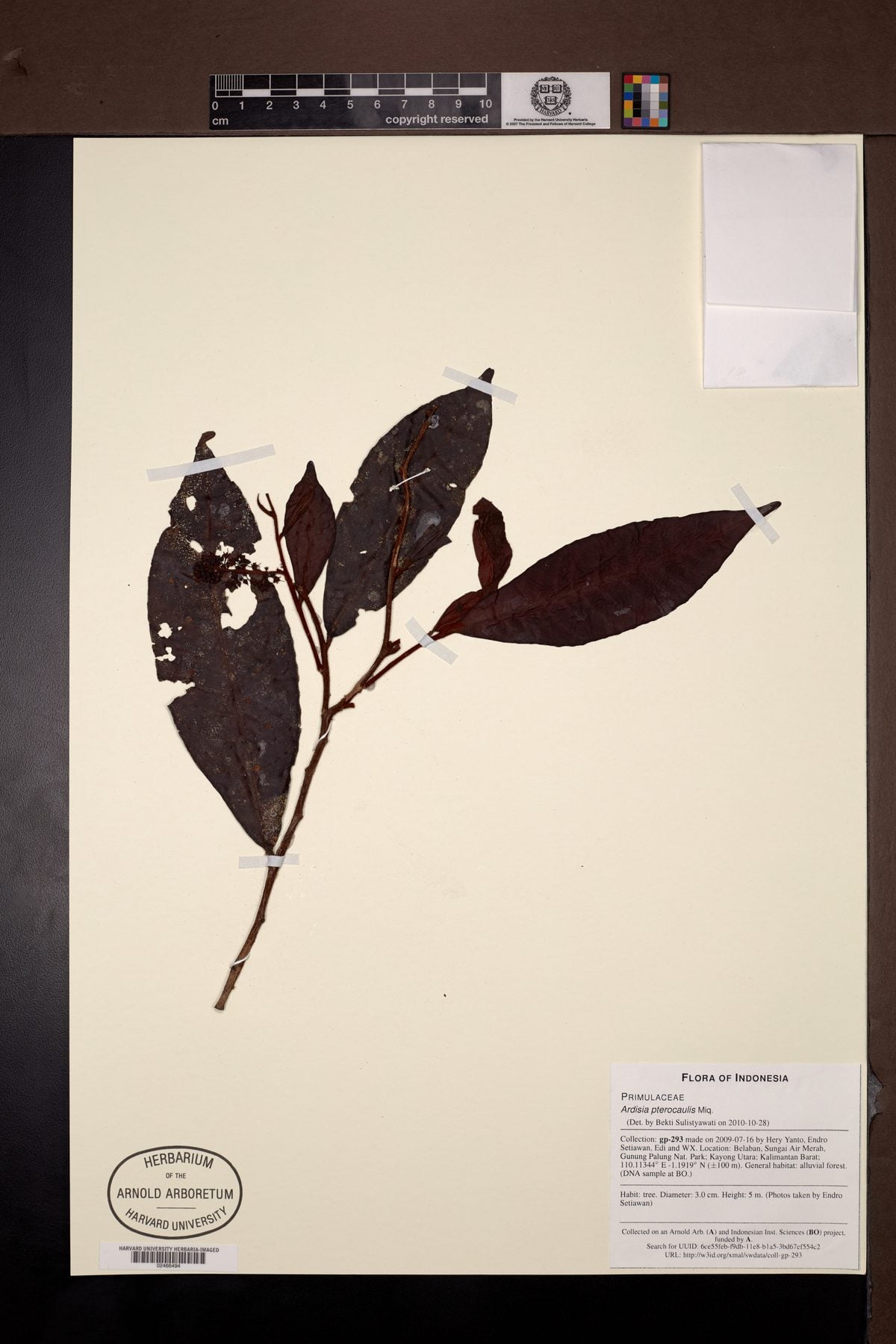
Samolus parviflorus
Raf.
Seaside Brookweed
iNaturalist· cc-by-nc
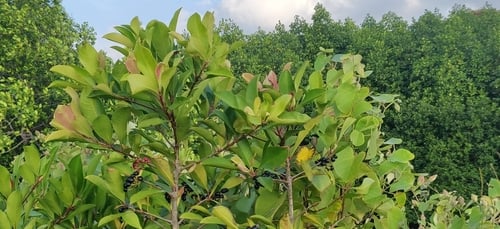
(c) nathantay, some rights reserved (CC BY-NC)
iNaturalist· cc-by-sa
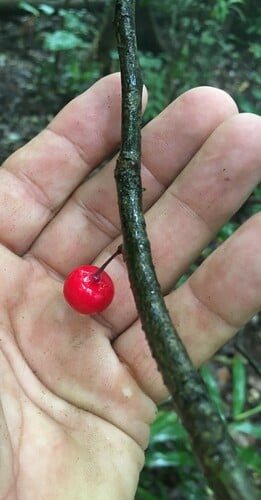
(c) Douglas Goldman, some rights reserved (CC BY-SA), uploaded by Douglas Goldman
iNaturalist· cc-by
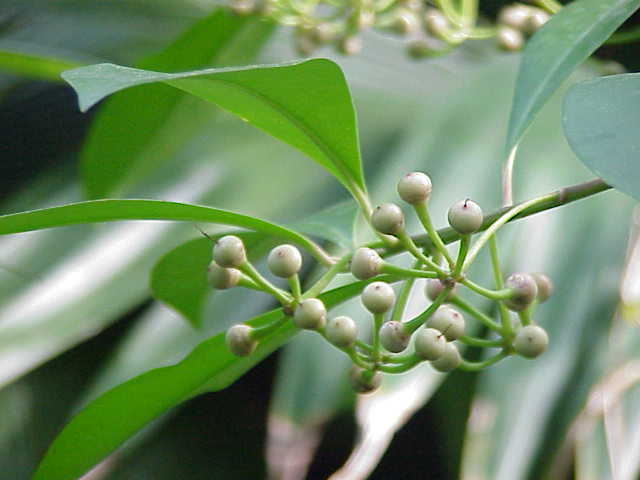
(c) Alex Abair, some rights reserved (CC BY), uploaded by Alex Abair
Description
A small fragile plant. It grows 10 cm high. The plant forms a ring of oval leaves. There are 7-14 leaves in the ring. The leaves are 6-10 cm long with a narrow base and 2.5-4 cm wide. They are bright green.
Edible Uses
The plant's leaves, when cut and agitated in water, produce a lather, for which reason in Palestine it has been used by the local Arab population, in former times, to launder clothes and was called by them sabūn 'arab (= Arab soap).
Distribution
It flowers when daylength is over 10-12 hours.
Where It Grows
Central America*, Cuba*, Dominican Republic*, Haiti, Mexico*, North America, Puerto Rico, South America*, USA, West Indies*,
Notes
There are about 15 Samolus species. These have previously been in the Samolaceae family. They grow in water in temperate and subtropical places.
Synonyms
Also Known As
Water rose, Water cabbage
References (2)
- Plants for a Future database, The Field, Penpol, Lostwithiel, Cornwall, PL22 0NG, UK. http://www.scs.leeds.ac.uk/pfaf/
- Plants of Haiti Smithsonian Institute http://botany.si.edu/antilles/West Indies