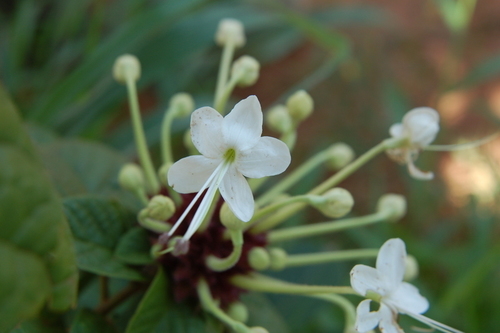
Salvia stachyoides
Kunth.
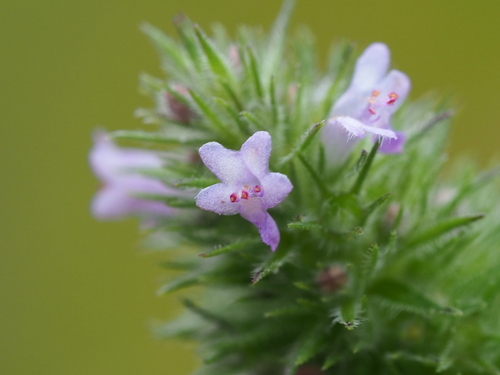
iNaturalist· cc-by-nc
(c) Hugo Basurto, some rights reserved (CC BY-NC), uploaded by Hugo Basurto
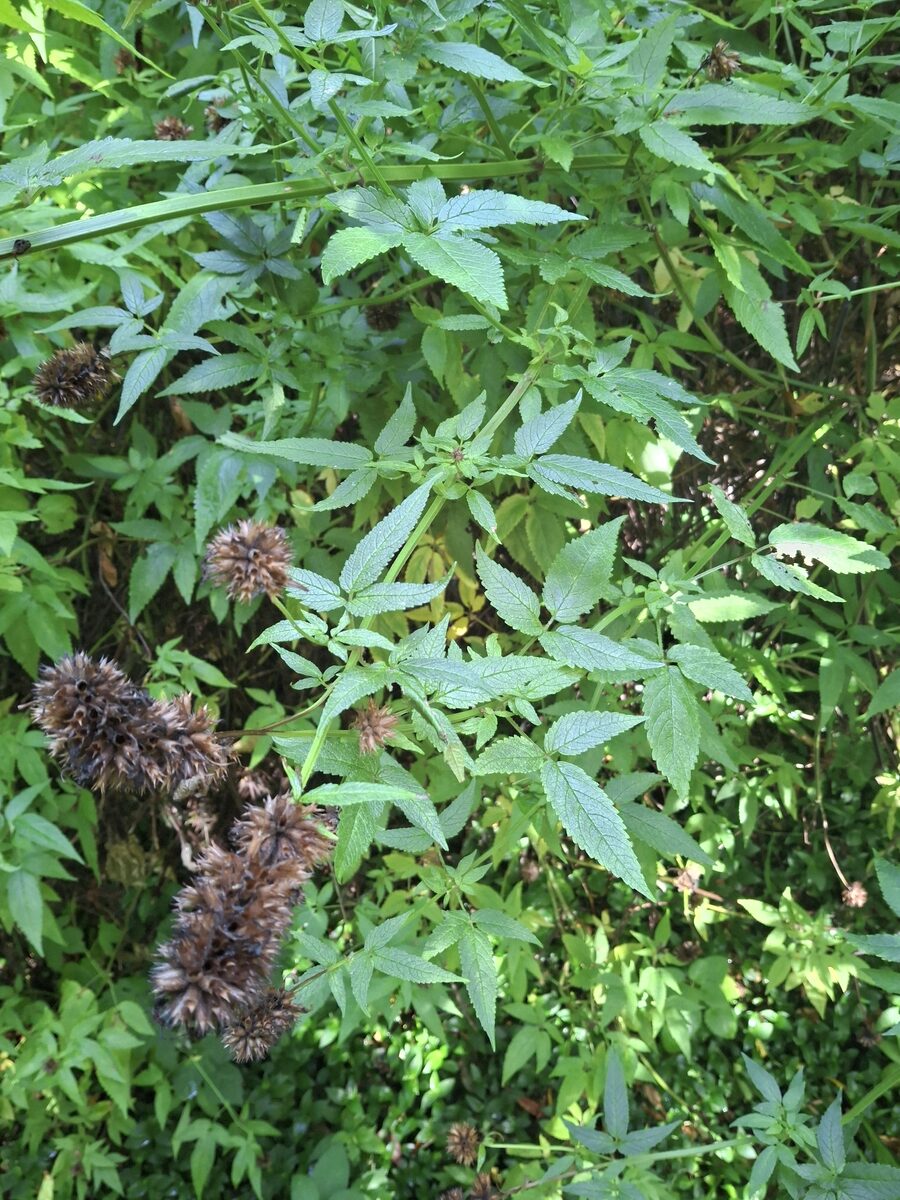
iNaturalist· cc-by-nc
(c) Mario Castañeda, some rights reserved (CC BY-NC), uploaded by Mario Castañeda
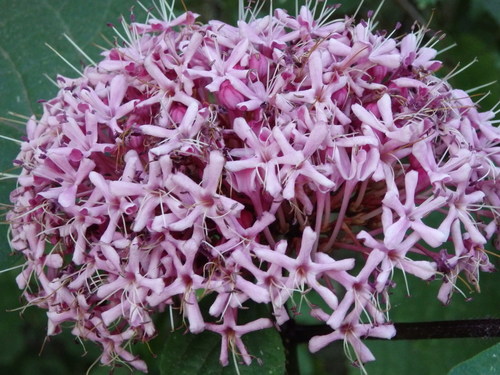
iNaturalist· cc-by-nc
(c) Azul B.M, some rights reserved (CC BY-NC), uploaded by Azul B.M
Summary
Salvia stachyoides is a hermaphroditic plant pollinated by bees. It thrives in light sandy to medium loamy, well-drained soils across a range of pH levels from mildly acidic to mildly alkaline. The plant requires full sun and tolerates both dry and moist soil conditions.
Description
Salvia stachyoides is a hermaphroditic plant pollinated by bees. It thrives in light sandy to medium loamy, well-drained soils across a range of pH levels from mildly acidic to mildly alkaline. The plant requires full sun and tolerates both dry and moist soil conditions.
Edible Uses
The seeds are edible, though no further preparation details are recorded.
Medicinal Uses
None known.
Distribution
It is a temperate plant.
Where It Grows
North America, USA,
Cultivation
We have very little information on this species and do not know if it will be hardy in Britain, though judging by its native range it is only likely to succeed outdoors in the milder parts of this country. The following notes are based on the general needs of the genus. Requires a very well-drained light sandy soil in a sunny position. Prefers a rich soil. Plants can be killed by excessive winter wet. Members of this genus are rarely if ever troubled by browsing deer.
Propagation
Sow seed in March/April in a greenhouse; germination typically occurs within 2 weeks. Prick seedlings into individual pots when large enough and plant out in early summer. In marginal areas, overwinter young plants under glass and plant out in late spring the following year. Cuttings of half-ripe wood can be taken at almost any point during the growing season.
Other Uses
None known.
Notes
There are about 900 Salvia species.
References (1)
- Plants for a Future database, The Field, Penpol, Lostwithiel, Cornwall, PL22 0NG, UK. http://www.scs.leeds.ac.uk/pfaf/