Salacia senegalensis
(Lam.) DC.
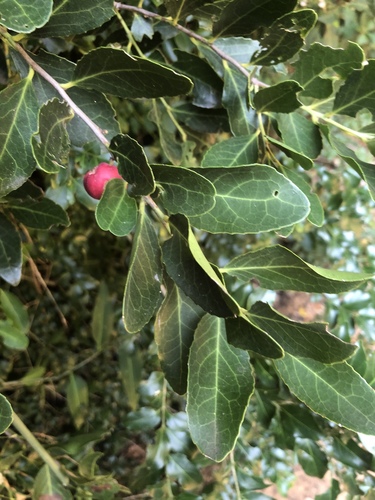
iNaturalist· cc-by-nc
(c) Carel Jongkind, some rights reserved (CC BY-NC), uploaded by Carel Jongkind
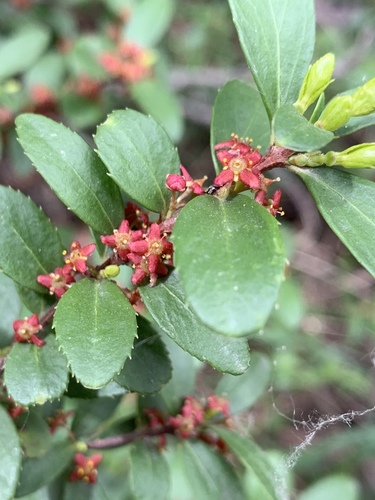
iNaturalist· cc-by-nc
(c) Carel Jongkind, some rights reserved (CC BY-NC), uploaded by Carel Jongkind
Description
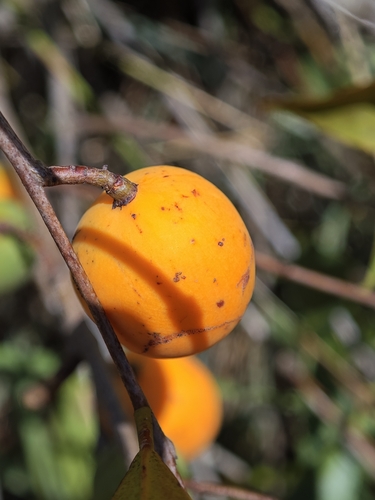
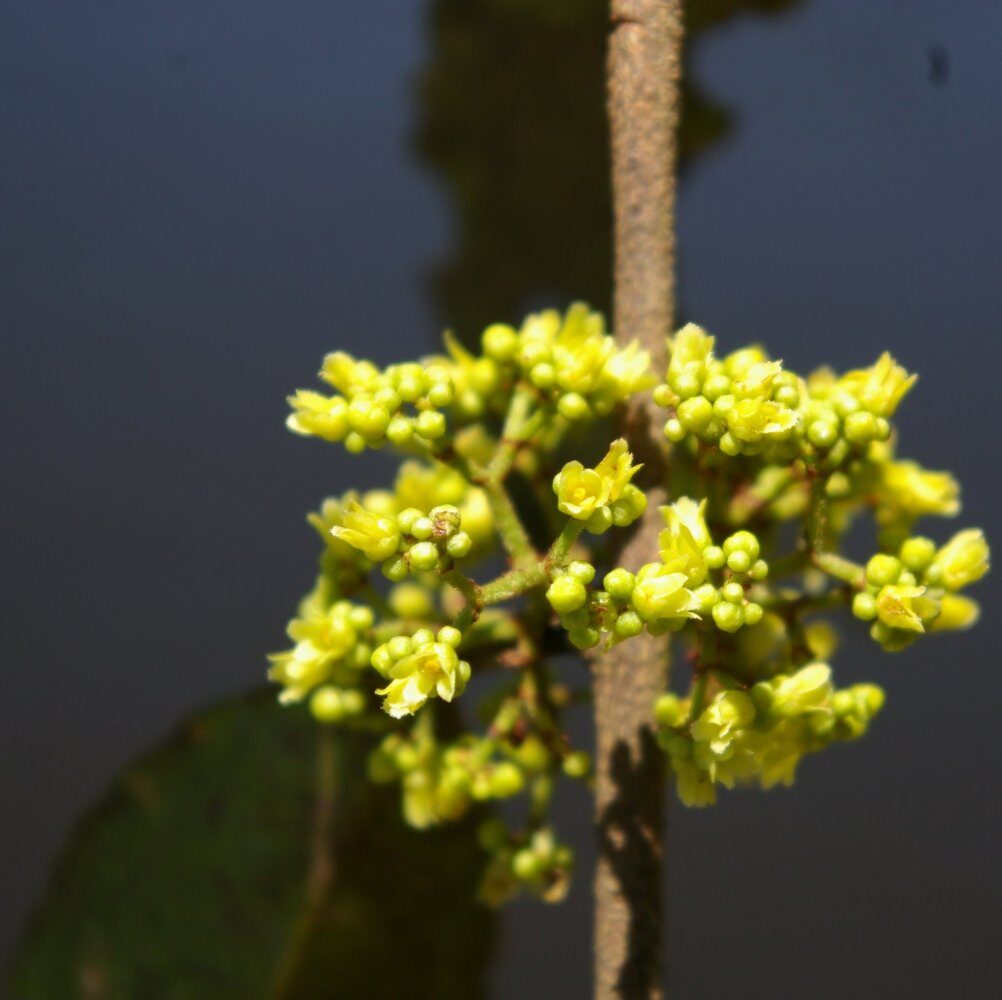
A vine or low shrub. The leaves are 8 cm long by 4 cm wide. The flowers are small and green-yellow. They occur in groups at the nodes. The fruit can be 4-5 cm across. They are orange-red when ripe. There are lumps on the outer skin. There is a small amount of sweet, orange flesh.
Edible Uses
The fruit is eaten.
Distribution
A tropical plant. It grows in the forest, savannah and palm groves.
Where It Grows
Africa, Benin, Central Africa, Congo, Guinea, Guinée, Guinea-Bissau, Senegal, Sierra Leone, West Africa,
Synonyms
Also Known As
Becubar, Blande, Blanhe, Blende, Bu fumb, Bu lal, Epo, Fugene, Futchuncoro, Kinkirisa, Ledjedja, Lenda, Malombo, Mambumba, Mancuba, Mancubaru, Mangangarasse, Mankides, Mankoband, Manubam, Mezinho-grande, Momboli, Neguedja, Nepo, Ngutukpana, Porecucudo, Sun-curo-foleo, Suncuro-fole, Ulbo, Umbol
References (10)
- Busson, 1965,
- Catarino, L., et al, 2016, Ecological data in support of an analysis of Guinea-Bissau's medicinal flora. Data in Brief 7 (2016):1078-1097
- Codjia, J. T. C., et al, 2003, Diversity and local valorisation of vegetal edible products in Benin. Cahiers Agricultures 12:1-12
- Dalziel, J. M., 1937, The Useful plants of west tropical Africa. Crown Agents for the Colonies London.
- Danforth, R.M., & Boren, P.D., 1997, Congo Native fruits. Twenty-five of the best. Privately published. p 68
Show all 10 references Hide references
- Djihounouck, Y., et al, 2018, Diversité Et Importance Socio-Economique Des Espèces Fruitières Sauvages Comestibles En Zone Kasa (Sud-Ouest Du Sénégal). European Scientific Journal December 2018 edition Vol.14, No.36 ISSN: 1857 – 7881
- Djihounouck, Y., et al, 2021, Ethnobotanical Uses of Non-cultivated Edible Fruit Species in the Department of Oussouye (South Senegal). Journal of Food Research; Vol. 10, No. 4 p 20
- Jardin, C., 1970, List of Foods Used In Africa, FAO Nutrition Information Document Series No 2.p 160
- Peters, C. R., O'Brien, E. M., and Drummond, R.B., 1992, Edible Wild plants of Sub-saharan Africa. Kew. p 81
- World Checklist of Useful Plant Species 2020. Royal Botanic Gardens, Kew