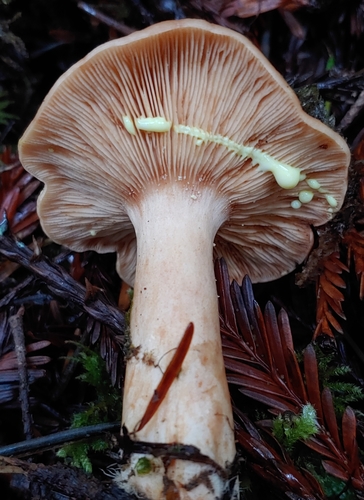
Russula spp.
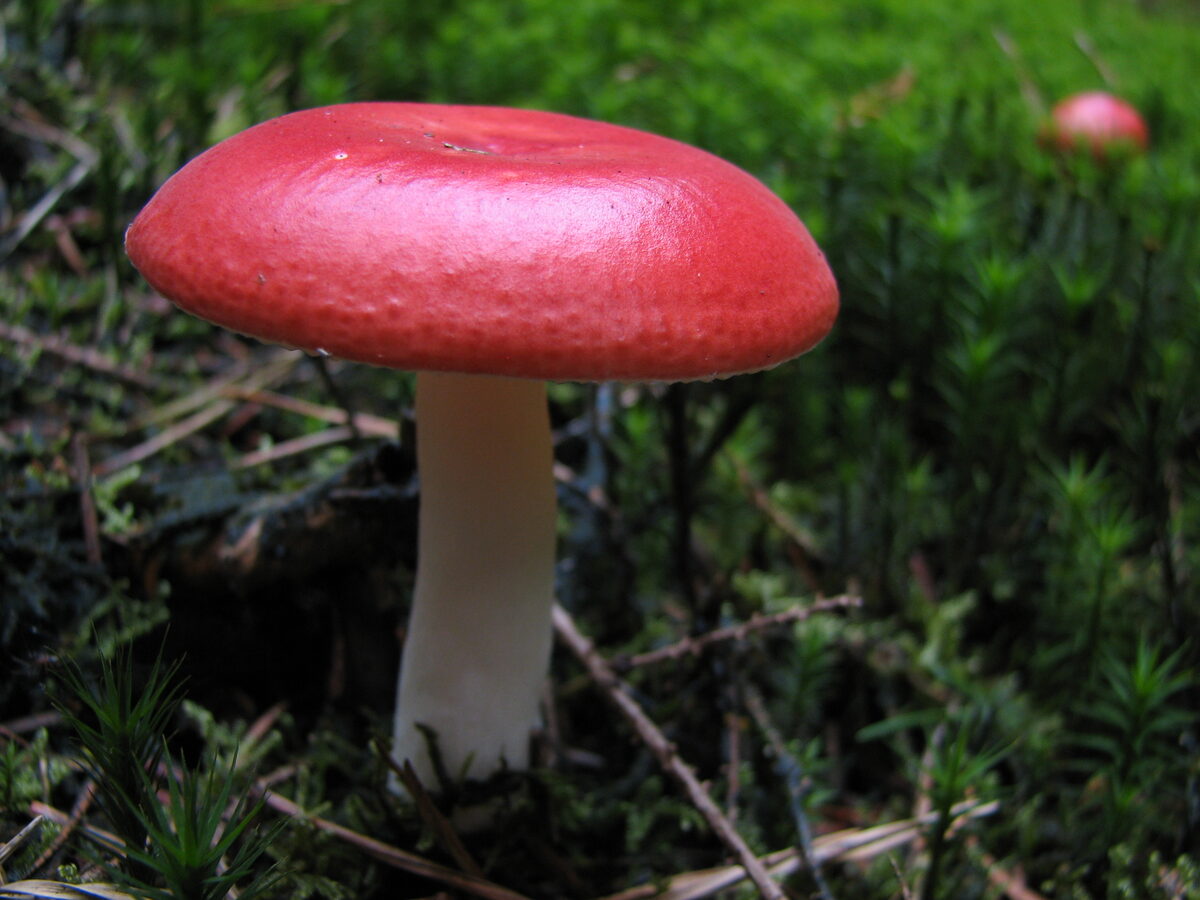
wikimedia· cc-by-sa
Wikimedia Commons - Dr. Hans-Günter Wagner
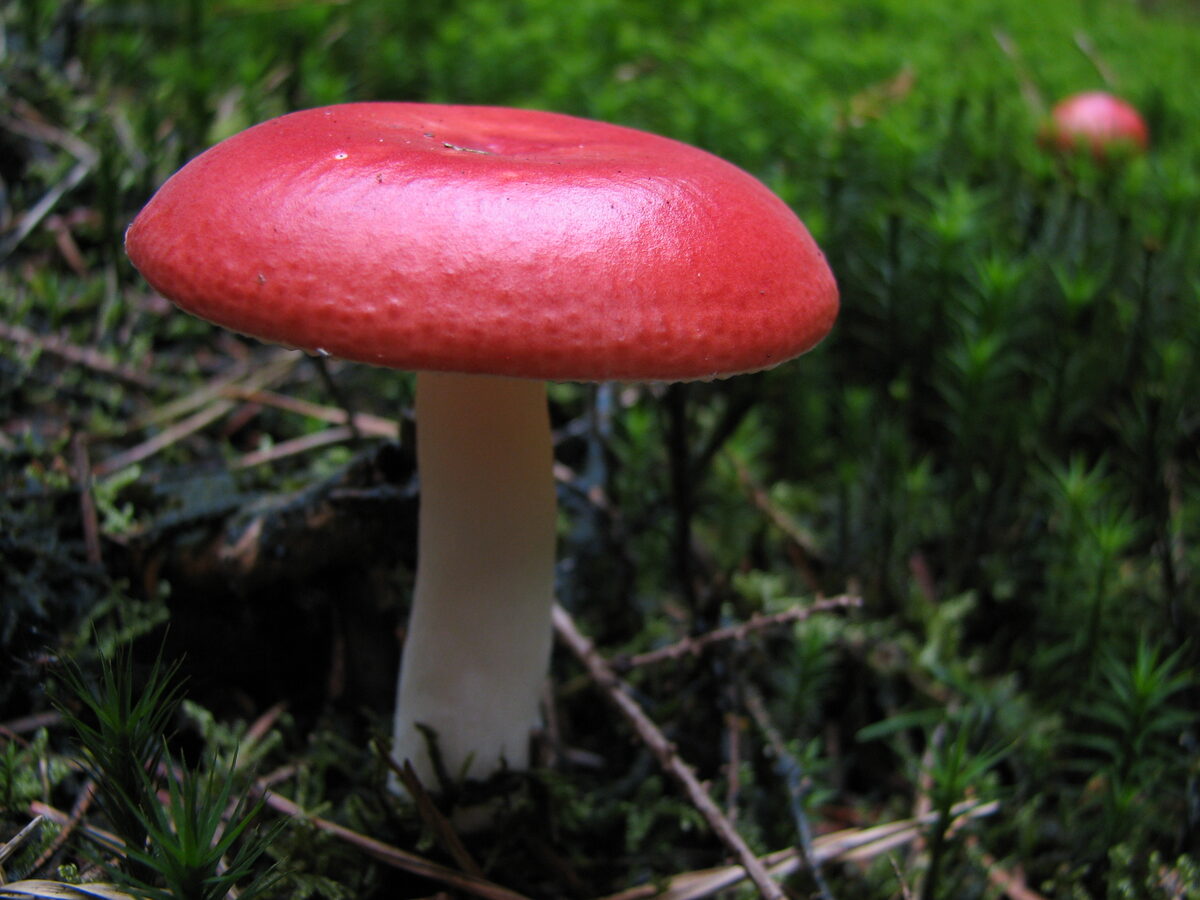
wikimedia· cc-by-sa
Wikimedia Commons - Dr. Hans-Günter Wagner
Description
A tropical fungus in the family Russulaceae.
This description is brief — help expand it
Edible Uses
The bitter taste disappears on cooking and it is said to then be edible, though consumption is not recommended. The mushroom used to be widely eaten in eastern European countries and Russia after parboiling (which removes the toxins), and then salting or pickling. In some regions of Hungary and Slovakia, the cap cuticle is removed and used as a spice for goulash.
Known Hazards
As its name implies, the sickener is inedible, though not as dangerous as sometimes described in older mushroom guides. The symptoms are mainly gastrointestinal in nature: nausea, diarrhoea, vomiting, and colicky abdominal cramps. These symptoms typically begin half an hour to three hours after ingestion of the mushroom, and usually subside spontaneously, or shortly after the ingested material has been expelled from the intestinal tract. The active agents have not been identified but are thought to be sesquiterpenes, which have been isolated from the related genus Lactarius and from Russula sardonia. Sesquiterpenoids that have been identified from R. emetica include the previously known compounds lactarorufin A, furandiol, methoxyfuranalcohol, and an unnamed compound unique to this species.
Distribution
A tropical plant.
Where It Grows
Africa, Central Africa, Congo,
Notes
CAUTION: Russula emetica and Russula fragilis are poisonous.
References (2)
- Jardin, C., 1970, List of Foods Used In Africa, FAO Nutrition Information Document Series No 2.p 115
- Kaufmann, B. et al, 1999, The Great Encyclopedia of Mushrooms. Konemann. p 14