Aquilegia formosa
Fisch. ex DC.
Western Columbine, Red Columbine
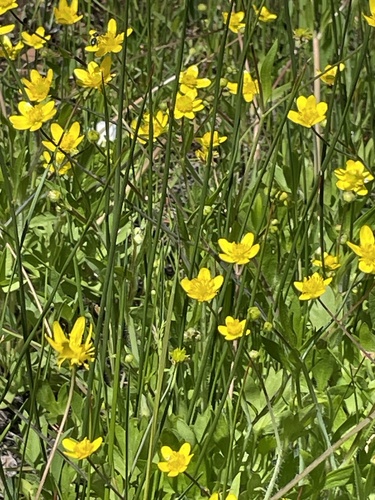
iNaturalist· cc-by-nc
(c) jcornelius, some rights reserved (CC BY-NC)
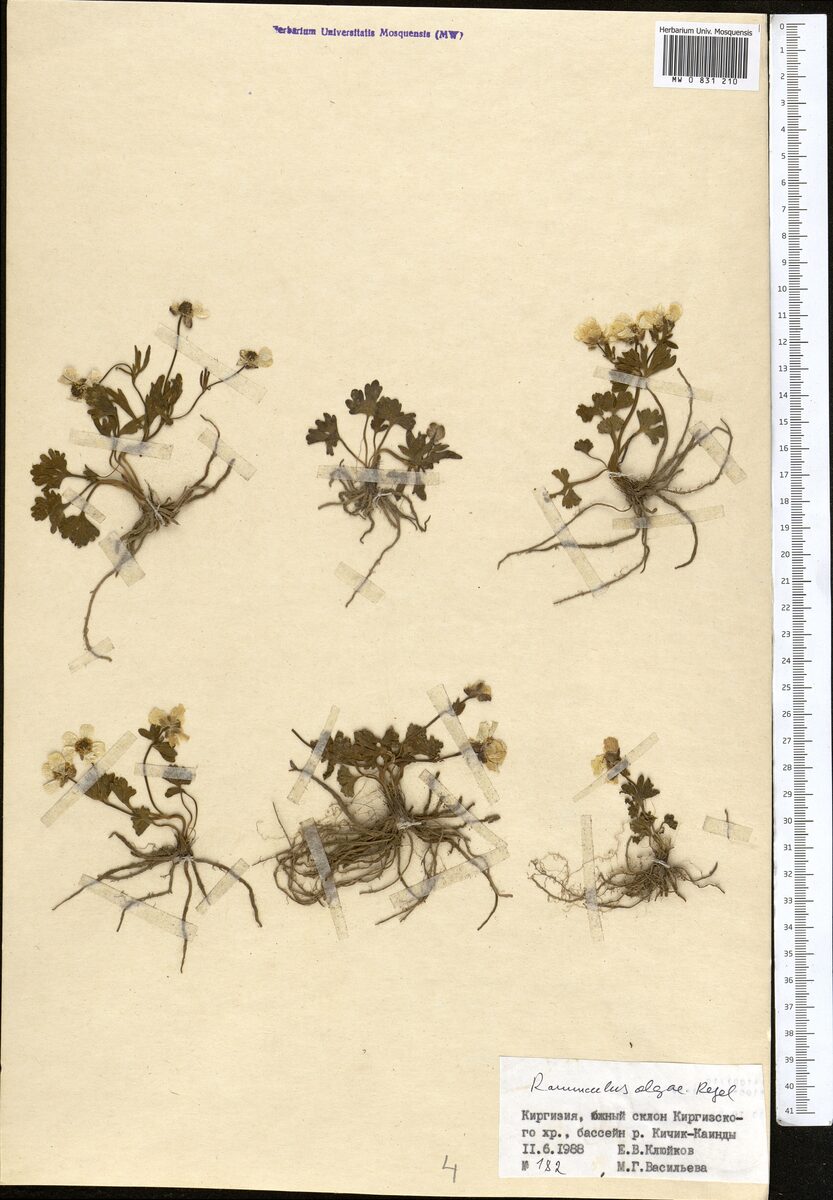
iNaturalist· cc-by-nc
(c) niclooksatplants, some rights reserved (CC BY-NC)
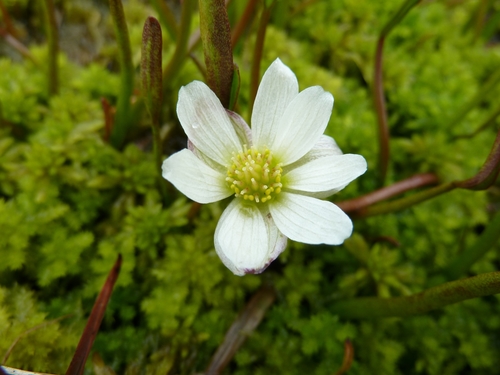
iNaturalist· cc-by-nc
(c) nathantay, some rights reserved (CC BY-NC)
Summary
Source: WikipediaAquilegia formosa, the crimson columbine, western columbine, or (ambiguously) "red columbine", is a common wildflower native to western North America, from Alaska to Baja California, and eastward to Montana and Wyoming.
Description
A small plant with an open habit. It grows 50-90 cm high and spreads 30-50 cm wide. The flowers are small and orange-red. There are several flowers on each stem.
Edible Uses
Edible Parts: Flowers Leaves Root Edible Uses: As with other columbines, only the flowers are reported edible, but their flavor is poor. Crimson columbine flowers have brief sweetness from nectar quickly overtaken by strong medicine-like overtones. Like all Aquilegia species, the foliage, roots, and seeds are toxic due to alkaloids and cyanogenic glycosides, and ingestion can cause severe illness [2-3]. Flowers - raw. Rich in nectar, they are sweet and delightful, they make a very attractive addition to mixed salads and can also be used as a thirst-quenching munch in the garden. Children enjoy sucking out the sweet nectar from the base of the flowers. Early spring greens cooked and eaten as a vegetable. Some caution is advised, see the notes above on toxicity. Root - cooked. Used by the N. American Indians as a famine food. Some caution is advised, see the notes above on toxicity.
Medicinal Uses
Antispasmodic Diaphoretic Parasiticide Parasiticide Resolvent Salve Western columbine was quite frequently employed by a number of native North American Indian tribes who used it to treat a variety of complaints. It is little used in modern herbalism. Antispasmodic, diaphoretic, parasiticide, resolvent, salve. A decoction of the root is used in the treatment of diarrhoea and stomach aches. A decoction of the roots and leaves is used in the treatment of VD, dizziness and biliousness. The mashed fresh roots can be rubbed briskly on aching rheumatic joints. A poultice of chewed roots or leaves is applied to bee stings, sores etc. A decoction of the leaves is used in the treatment of sore throats, coughs and colds. The seeds can be chewed as a remedy for stomach aches.
Known Hazards
Foliage, roots, and seeds are toxic due to alkaloids and cyanogenic glycosides and cause severe illness if ingested.
Distribution
It grows in moist alpine meadows in the Rocky Mountains. It suits hardiness zones 3-9.
Where It Grows
Alaska, Australia, Canada, North America, Slovenia, USA,
Cultivation
Succeeds in ordinary garden soil, preferring a moist but not wet soil and a sheltered sunny position or partial shade. Intolerant of heavy clay. A very ornamental plant, it is hardy to about -15°c. A short-lived species, often dying out after 2 - 3 years, though it usually produces seed prolifically. However, they are very apt to hybridize with other members of the genus and so it becomes difficult to keep a species true to type if more than one is grown in the garden. This species is closely related to A. canadensis and A. flavescens, often hybridizing with A. flavescens in the wild where their ranges overlap. Plants seem to be immune to the predations of rabbits. A greedy plant, inhibiting the growth of nearby plants, especially legumes.
Propagation
Seed - best sown as soon as it is ripe in a cold frame. The seed can be slow to germinate. Stored seed can be sown in late winter in a cold frame. When large enough to handle, prick the seedlings out into individual pots and grow them on in a cold frame for their first winter. Plant out in late spring or early summer. Division in spring.
Other Uses
Hair Parasiticide Parasiticide The seed is used to rid the hair of lice. The whole plant is boiled up and used as a hair wash. The seeds are aromatic. They can be crushed and rubbed on the body as a perfume or placed in a sachet and stored with clothes to impart a nice smell. Special Uses
Notes
There are about 70 Aquilegia species.
Also Known As
Lepa orlica
References (7)
- Bowser, M., 2017, Handout on Edible Plants of the Kenai Peninsula. USFWS Kenai National Wildlife Refuge p 17
- Cundall, P., (ed.), 2004, Gardening Australia: flora: the gardener's bible. ABC Books. p 167
- Hibbert, M., 2002, The Aussie Plant Finder 2002, Florilegium. p 30
- http://www.stoller-eser.com/Flora/ethnobotany_table.htm
- Plants for a Future database, The Field, Penpol, Lostwithiel, Cornwall, PL22 0NG, UK. http://www.scs.leeds.ac.uk/pfaf/
Show all 7 references Hide references
- Porsild, A.E., 1974, Rocky Mountain Wild Flowers. Natural History Series No. 2 National Museums of Canada. p 172
- Prodr. 1:50. 1824