Aporosa maingayi
Hook.f.
gbif· cc0
President and Fellows of Harvard College
gbif· cc0
President and Fellows of Harvard College
gbif· cc0
President and Fellows of Harvard College
Summary
Source: WikipediaAporosa maingayi, synonym Aporosa isabellina, is a species of flowering plant in the family Phyllanthaceae. It is endemic to Peninsular Malaysia. It was first described by Joseph Dalton Hooker in 1887.
Description
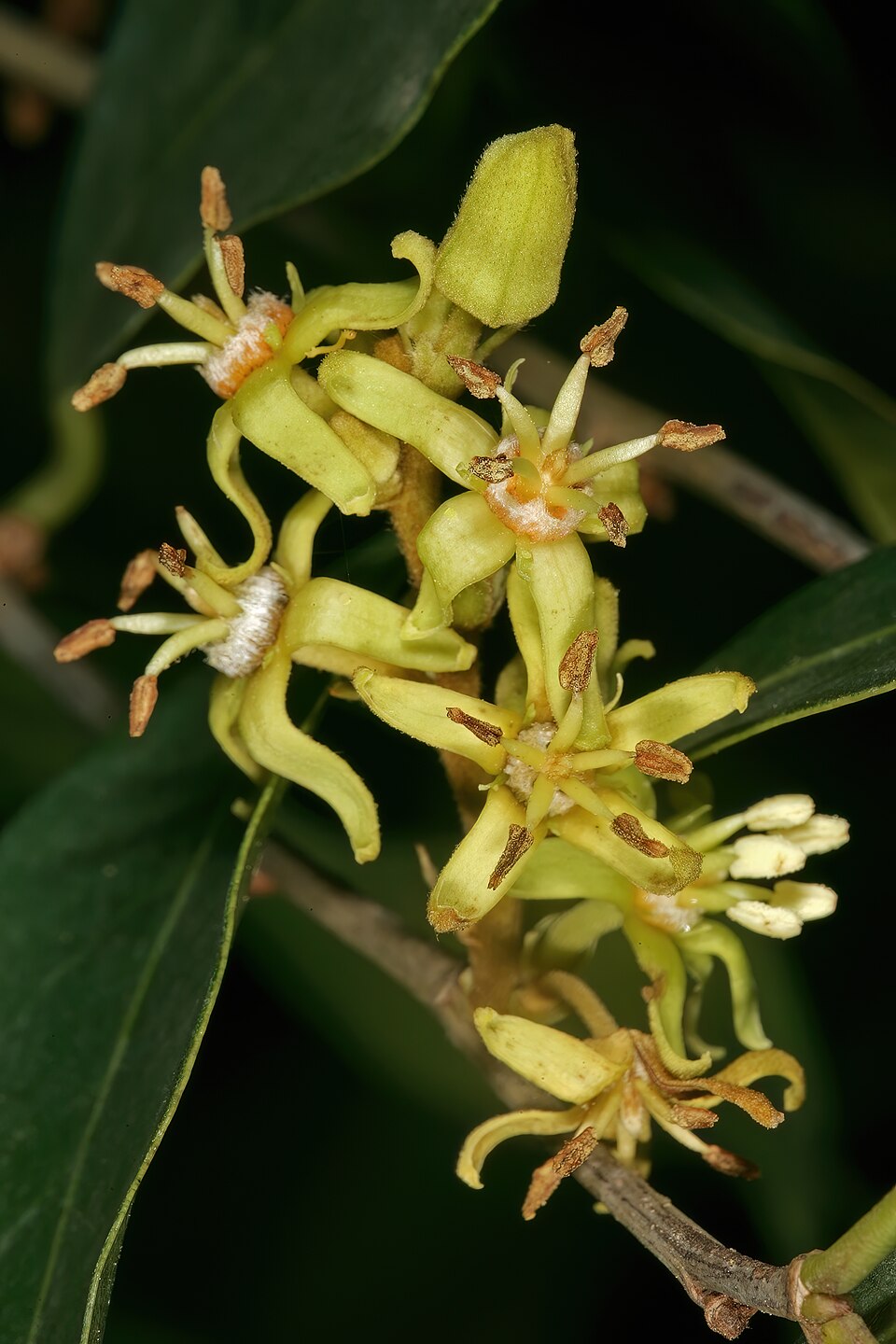
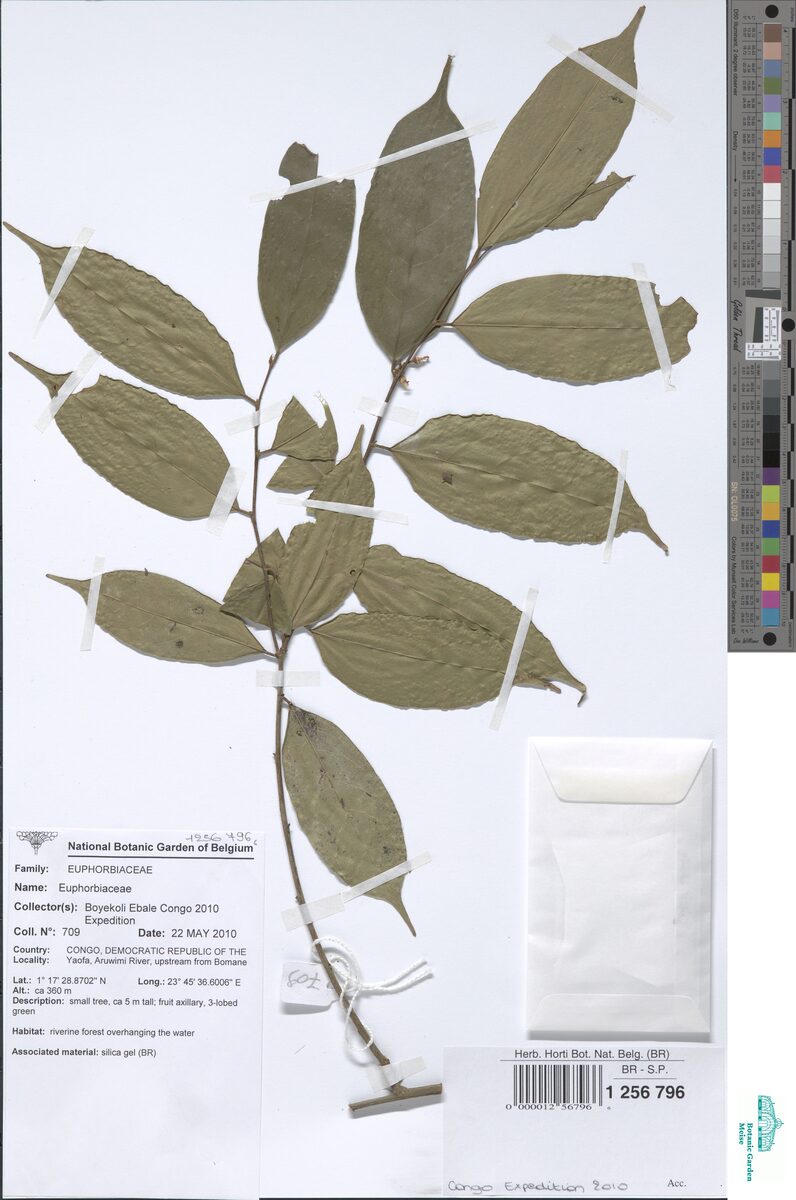
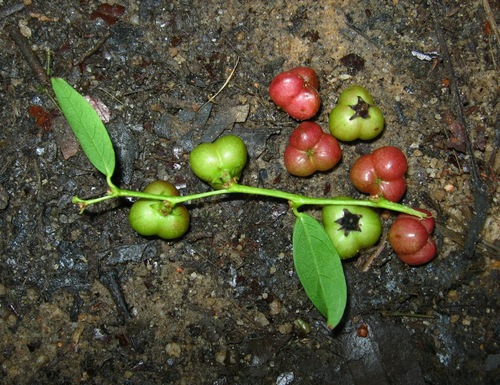
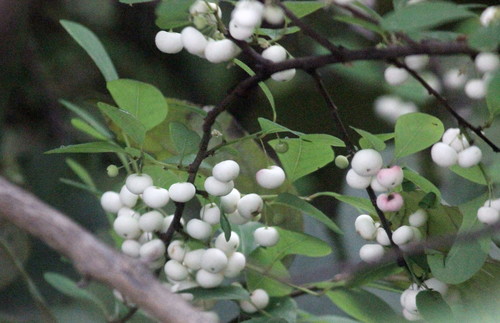
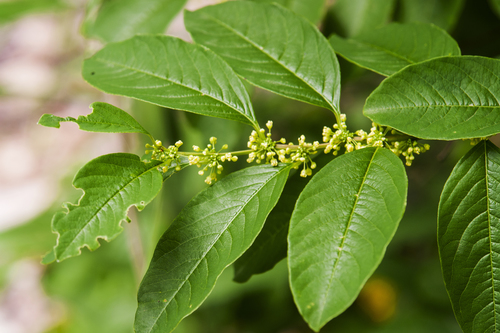
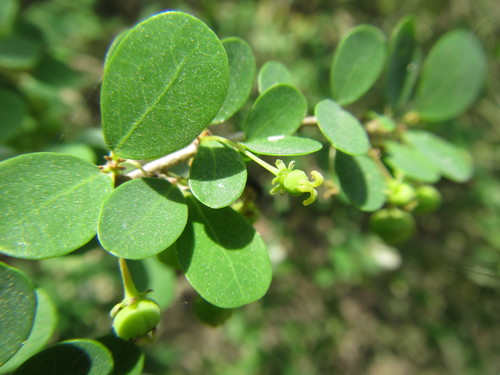
A small slender tree. It grows 6 m high. The leaves are narrowly oblong and taper to the tip. Male and female flowers are separate. Male flower spikes are yellow and hairy. Female flowers spikes are short. The fruit are oval and yellow. The seeds is covered with a yellow layer or aril.
Edible Uses
The leaves are eaten as a vegetable.
Traditional Uses
The leaves are eaten as a vegetable.
This uses section is brief — help expand it
Distribution
A tropical plant. It grows in the lowland rainforest.
Where It Grows
Asia, Malaysia, SE Asia,
Notes
Also put in the family Euphorbiaceae.
Synonyms
Also Known As
Agas-agas, Beberas, Beras-beras, Gemapong, Kangkong udas, Lampai, Lukut, Maroi, Tampoi pachat
References (3)
- Bircher, A. G. & Bircher, W. H., 2000, Encyclopedia of Fruit Trees and Edible Flowering Plants in Egypt and the Subtropics. AUC Press. p 36 (As Aporusa)
- Burkill, I.H., 1966, A Dictionary of the Economic Products of the Malay Peninsula. Ministry of Agriculture and Cooperatives, Kuala Lumpur, Malaysia. Vol 1 (A-H) p 196
- Martin, F.W. & Ruberte, R.M., 1979, Edible Leaves of the Tropics. Antillian College Press, Mayaguez, Puerto Rico. p 191