Ribes viscosissimum
Pursh
Sticky currant
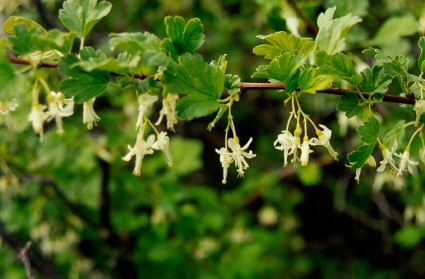
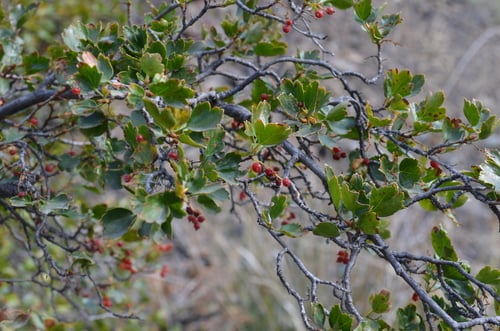
iNaturalist· cc-by-nc
(c) John D Reynolds, some rights reserved (CC BY-NC), uploaded by John D Reynolds
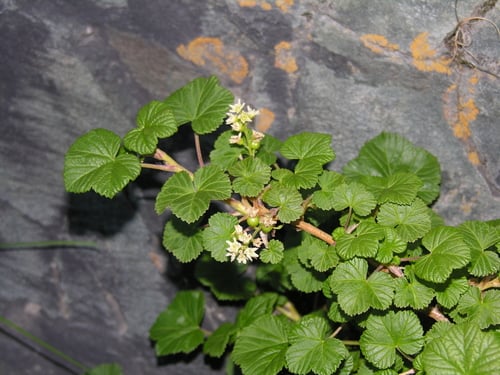
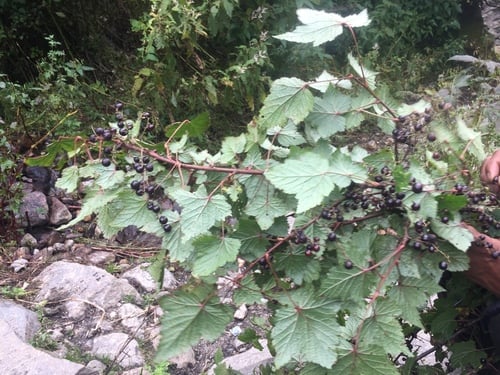
iNaturalist· cc-by-nc
(c) Siena Fox, some rights reserved (CC BY-NC), uploaded by Siena Fox
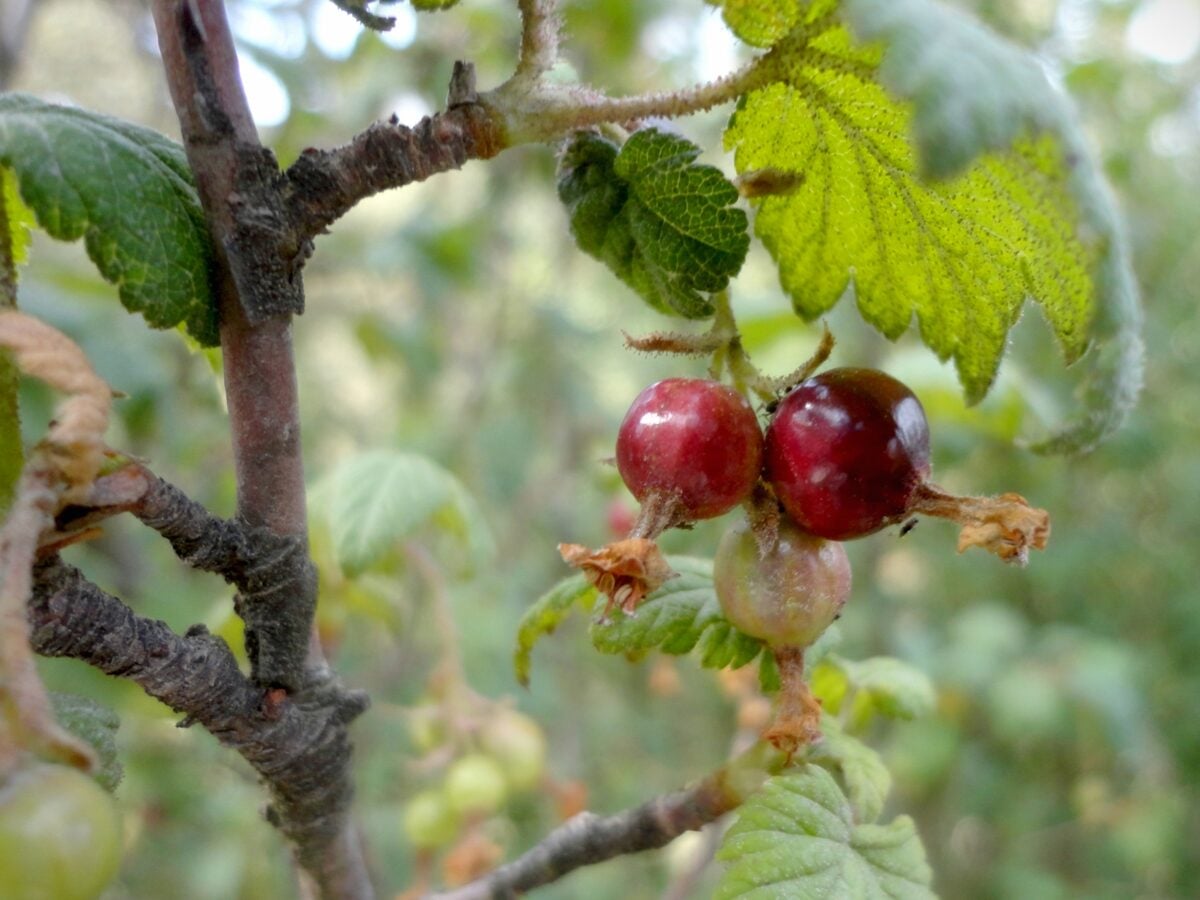
iNaturalist· cc-by-nc
(c) sarahaceae, some rights reserved (CC BY-NC), uploaded by sarahaceae
Summary
Source: WikipediaRibes viscosissimum, also known as sticky currant, is a species of eudicot in the family Grossulariaceae (currant family). The species is native to North America.
Description
A loosely branched shrub. It grows 2 m tall. The stems can be erect or spreading. The leaves have 3-5 lobes. These are heart shaped at the base. They are 2-10 cm wide and have sticky glands. The flowers are white or cream and in clusters of up to 16. The fruit are bluish-black. They are hairy.
Edible Uses
The fruit is highly esteemed and can be eaten raw or cooked. It measures about 10mm in diameter.
Medicinal Uses
None known.
Distribution
It is a temperate plant. It grows in moist or dry woodlands in mountain locations in Canada.
Where It Grows
Canada, North America, USA,
Cultivation
Easily grown in a moisture retentive but well-drained loamy soil of at least moderate quality. Plants are quite tolerant of shade though do not fruit so well in such a position. Hardy to about -20°c. Plants can harbour a stage of 'white pine blister rust', so they should not be grown in the vicinity of pine trees. Plants in this genus are notably susceptible to honey fungus.
Propagation
Seed is best sown as soon as it is ripe in autumn in a cold frame. Stored seed requires 3 months of cold stratification at between -2 and 0°C and should be sown as early in the year as possible. Under normal storage conditions seed remains viable for 17 years or more. Prick out seedlings into individual pots when large enough to handle, grow on in a cold frame through their first winter, and plant out in late spring the following year. Take cuttings of half-ripe wood, 10–15cm with a heel, in July or August in a frame. Cuttings of mature wood from the current year's growth, preferably with a heel of the previous year's growth, can be taken from November to February in a cold frame or sheltered outdoor bed.
Other Uses
None known.
Notes
There are about 150 Ribes species.
References (6)
- Beckstrom-Sternberg, Stephen M., and James A. Duke. "The Foodplant Database." http://probe.nalusda.gov:8300/cgi-bin/browse/foodplantdb.(ACEDB version 4.0 - data version July 1994)
- Fl. Amer. sept. 1:163. 1813-1814
- Kermath, B. M., et al, 2014, Food Plants in the Americas: A survey of the domesticated, cultivated and wild plants used for Human food in North, Central and South America and the Caribbean. On line draft. p 749
- MacKinnon, A., et al, 2009, Edible & Medicinal Plants of Canada. Lone Pine. p 104
- Moerman, D. F., 2010, Native American Ethnobotany. Timber Press. p 481
Show all 6 references Hide references
- Plants for a Future database, The Field, Penpol, Lostwithiel, Cornwall, PL22 0NG, UK. http://www.scs.leeds.ac.uk/pfaf/