Ribes fasciculatum
Siebold & Zucc.
Clustered redcurrant
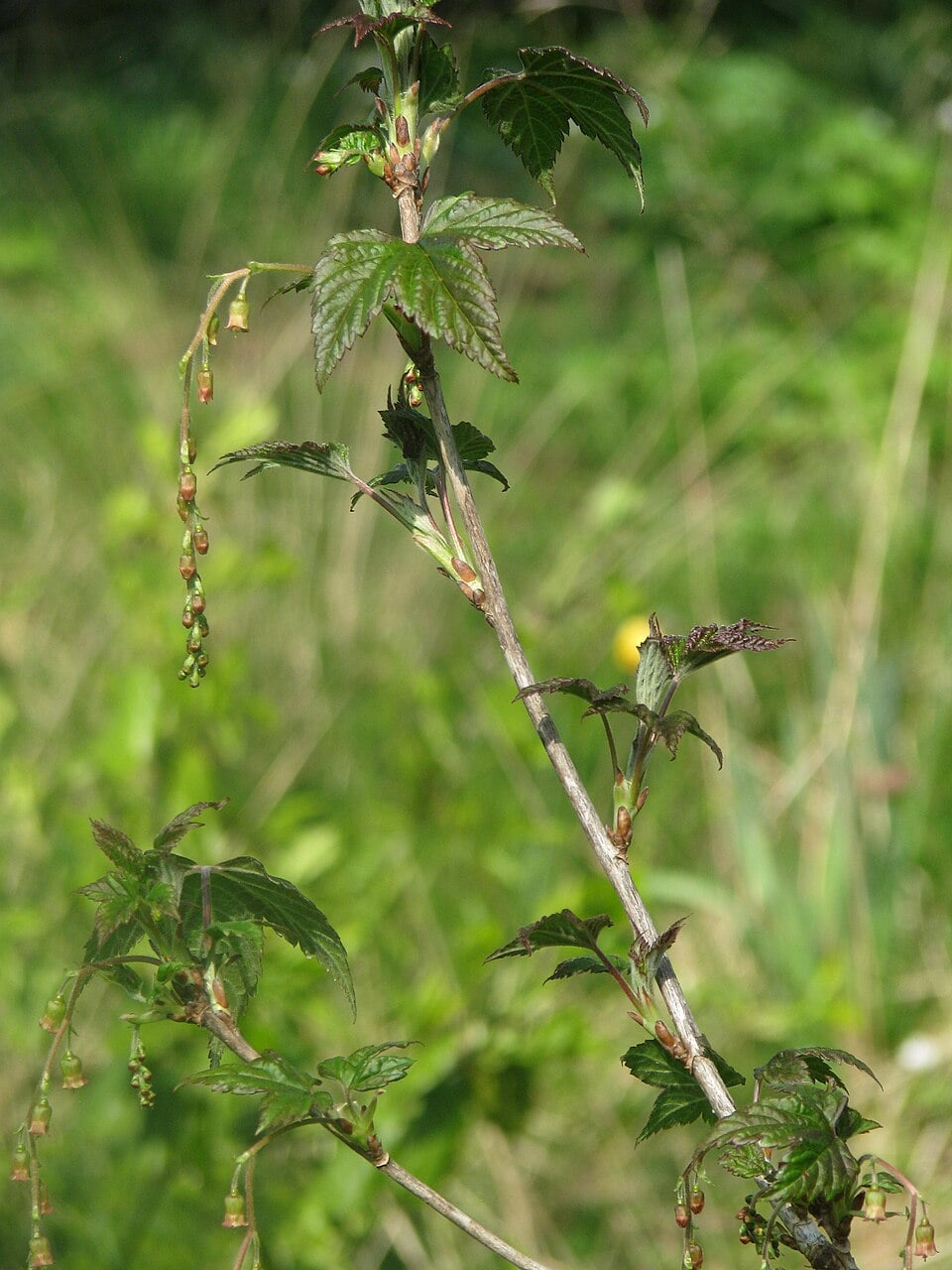
iNaturalist· cc-by-nc
(c) onidiras-iNaturalist, some rights reserved (CC BY-NC), uploaded by onidiras-iNaturalist
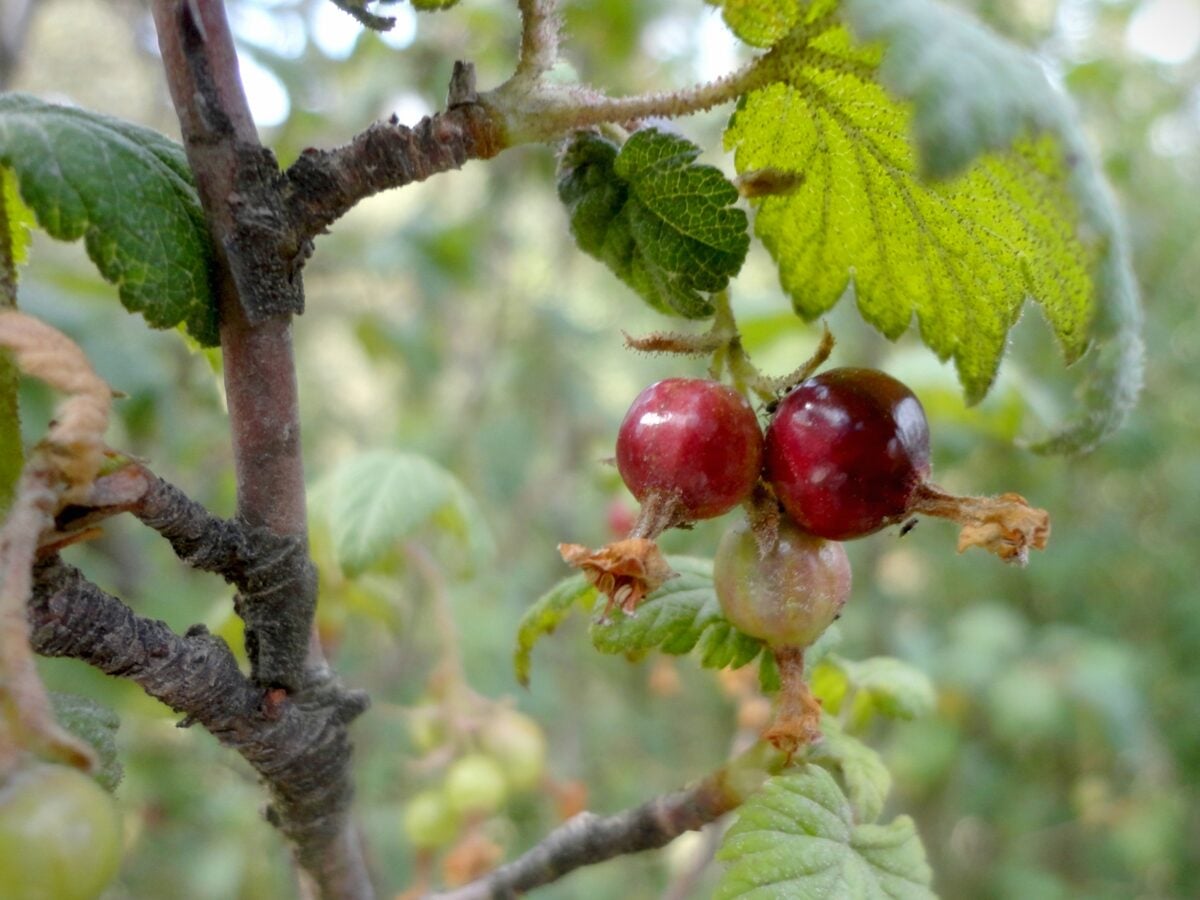
iNaturalist· cc-by-nc
(c) evanaturalist, some rights reserved (CC BY-NC)
Summary
Source: WikipediaA deciduous shrub reaching 1.5 m, hardy to UK zone 5. In leaf March to November, flowering in April with seeds ripening September to October. Dioecious species requiring both male and female plants for seed production; insect-pollinated and not self-fertile. Grows in light sandy, medium loamy, and heavy clay soils with good drainage. Tolerates mildly acid to basic pH and adapts to semi-shade or full sun, preferring moist soil.
Description
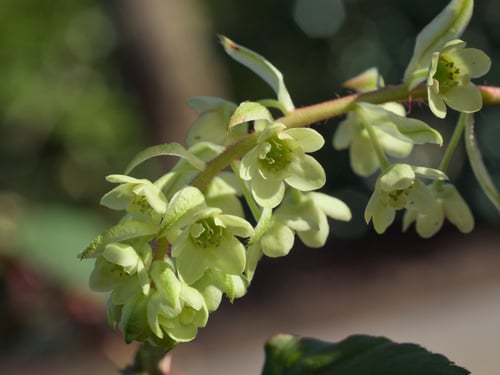
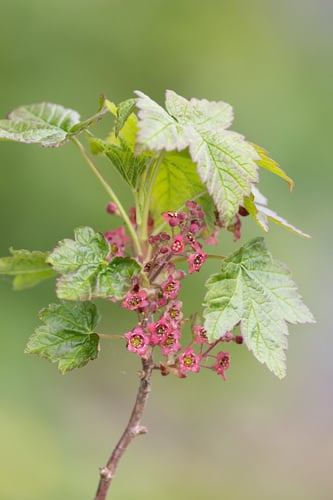
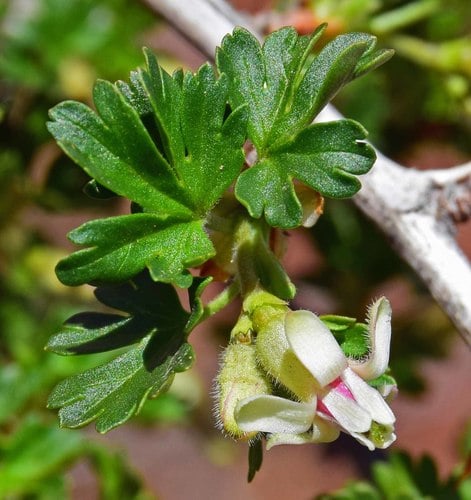
A shrub. It grows 1.5 m high and spreads 1.2 m wide. It loses its leaves during the year. The leaves are rounded and downy. They have 3-5 lobes and teeth along the edges. Male and female flowers are on separate plants. The flowers are yellow. The female flowers have a scent. The fruit are red with yellow flesh.
Edible Uses
The fruit can be eaten raw or cooked but is considered unpalatable. The reddish-brown berries measure about 5–10mm in diameter and contain a large number of fairly big seeds. What little flesh is present remains unpleasant even by autumn, which likely explains why the fruit hangs on the plant well. Young leaves can be eaten cooked.
Medicinal Uses
None known.
Distribution
A temperate plant. It grows in central China between 700-2,400 m above sea level. It suits hardiness zones 5-9. Melbourne Botanical garden.
Where It Grows
Asia, Australia, China, Japan, Korea,
Cultivation
Easily grown in a moisture retentive but well-drained loamy soil of at least moderate quality. Plants are quite tolerant of shade though do not fruit so well in such a position. Hardy to about -20°c. The flowers have a delicious aromatic perfume. The fruit can hang on the plant until winter. Plants can harbour a stage of white pine blister rust, so should not be grown in the vicinity of pine trees. Plants in this genus are notably susceptible to honey fungus. Female flowers appear to be perfect but the pollen in them and the ovules in the male flowers are sterile. Plants are therefore functionally dioecious, male and female plants must be grown if fruit and seed is required.
Propagation
Seed is best sown as soon as it is ripe in autumn in a cold frame. Stored seed requires 4–5 months of cold stratification at between 0 and 9°C and should be sown as early in the year as possible. Under normal storage conditions seed can remain viable for 17 years or more. Prick out seedlings into individual pots when large enough to handle, grow on in a cold frame through their first winter, and plant out in late spring the following year. Take cuttings of half-ripe wood, 10–15cm with a heel, in July or August in a frame. Cuttings of mature wood from the current year's growth, preferably with a heel of the previous year's growth, can be taken November to February in a cold frame or sheltered bed outdoors.
Other Uses
None known.
Production
Male and female plants are needed for fruit.
Notes
There are about 150 Ribes species.
Synonyms
References (4)
- Abh. Math.-Phys. Cl. Koenigl. Bayer. Akad. Wiss. 4(2):189. 1843
- Cundall, P., (ed.), 2004, Gardening Australia: flora: the gardener's bible. ABC Books. p 1206
- Flora of China @ efloras.org Volume 8
- Plants for a Future database, The Field, Penpol, Lostwithiel, Cornwall, PL22 0NG, UK. http://www.scs.leeds.ac.uk/pfaf/