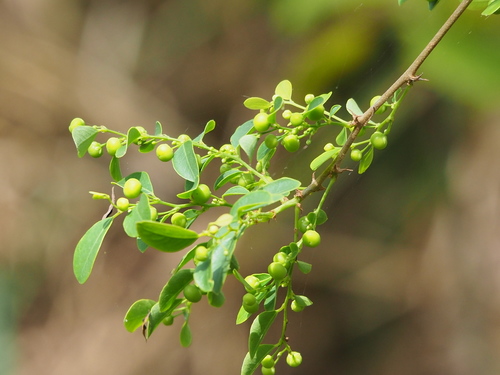
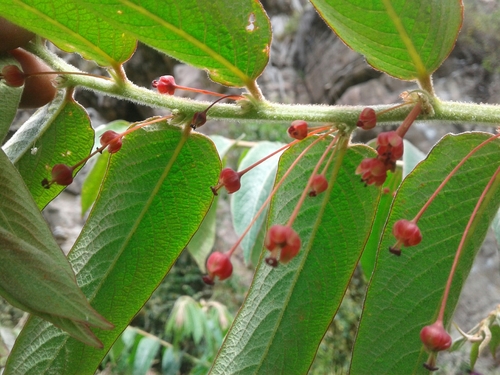
Antidesma platyphyllum
H. Mann
Hame, Haa
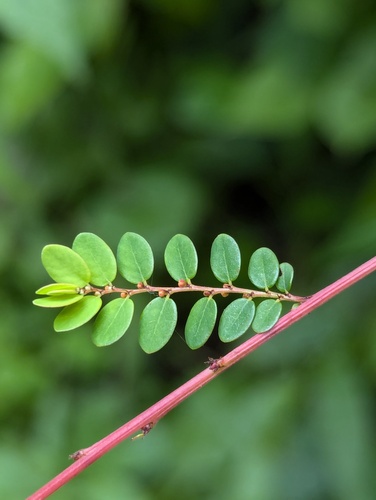
iNaturalist· cc-by-nc
(c) mariacostantini, some rights reserved (CC BY-NC)
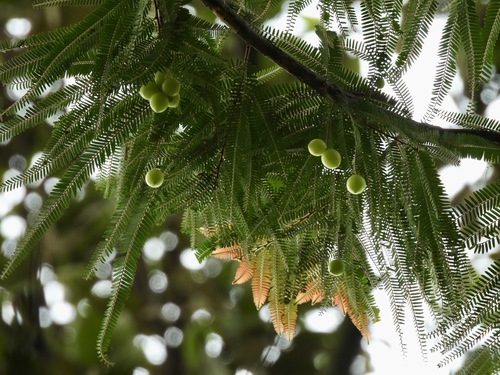
iNaturalist· cc-by-nc
(c) Hubert Szczygieł, some rights reserved (CC BY-NC), uploaded by Hubert Szczygieł
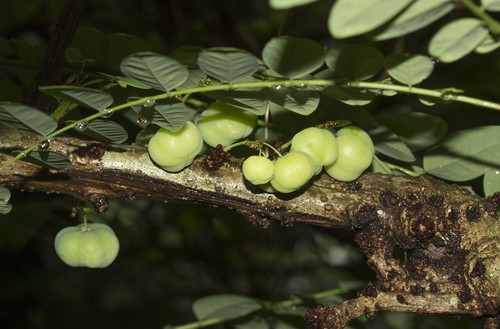
iNaturalist· cc-by-nc
(c) Ulf Swenson, some rights reserved (CC BY-NC), uploaded by Ulf Swenson
Summary
Source: WikipediaAntidesma platyphyllum is a species of flowering tree in the leafflower family, Phyllanthaceae, that is endemic to Hawaii. Common names include hame, haʻā, mehame, hamehame, mēhamehame, and haʻāmaile. It inhabits coastal mesic forests, mixed mesic forests, wet forests, and bogs at elevations of 150–1,525 m (492–5,003 ft) on all main islands.
Description
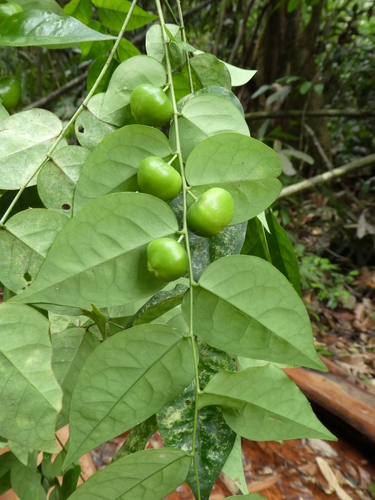
A small tree. It grows 7-15 m tall. The leaves are simple and alternate. Plants are separately male and female. The fruit are 1.2 cm long. They are purple to pink berries.
Edible Uses
The fruit are used for syrup, jellies, and wine.
Traditional Uses
The fruit are used for syrup, jellies and wine.
This uses section is brief — help expand it
Distribution
A tropical plant. It is native to Hawaii. It grows in wet forests. It grows between 150-1,525 m above sea level.
Where It Grows
Cuba, Hawaii, North America, Pacific, Papua New Guinea, PNG, USA, West Indies,
Cultivation
A plant of the moister tropics. A dioecious species, both male and female forms need to be grown if fruit and seed are required.
Other Uses
A dye is obtained from the ripe fruit which was traditionally used to colour tapa - a paper-like cloth make from the bark of several different trees, especially Broussonetia papyrifera. The reddish-brown wood is hard and close-grained. Resistant to shipworms. Excellent for boat building. It is used by Hawaiians to make the anvil upon which bark cloth is made.
Notes
There are about 100-170 Antidesma species.
Synonyms
Also Known As
Hamehame, Mehame
References (6)
- Barwick, M., 2004, Tropical and Subtropical Trees. A Worldwide Encyclopedic Guide. Thames and Hudson p 28
- Bircher, A. G. & Bircher, W. H., 2000, Encyclopedia of Fruit Trees and Edible Flowering Plants in Egypt and the Subtropics. AUC Press. p 35
- Bourke,
- Kermath, B. M., et al, 2014, Food Plants in the Americas: A survey of the domesticated, cultivated and wild plants used for Human food in North, Central and South America and the Caribbean. On line draft. p 77
- Proc. Amer. Acad. Arts 7:202. 1867
Show all 6 references Hide references
- World Checklist of Useful Plant Species 2020. Royal Botanic Gardens, Kew