Antidesma membranaceum
Muell. Arg.
Pink tassel berry
gbif· cc-by-sa
Murielle Simo-Droissart
gbif· cc-by-sa
Murielle Simo-Droissart
gbif· cc-by-sa
Murielle Simo-Droissart
Description
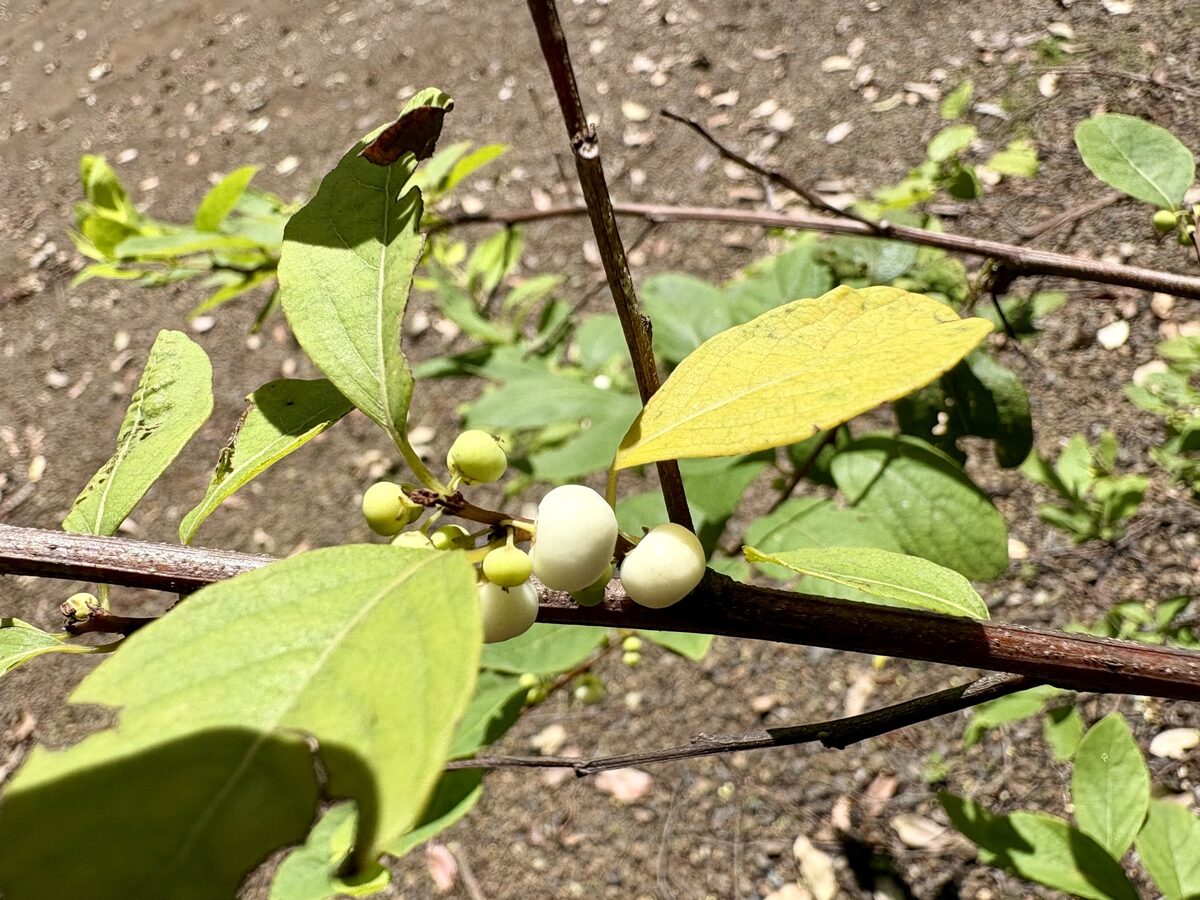
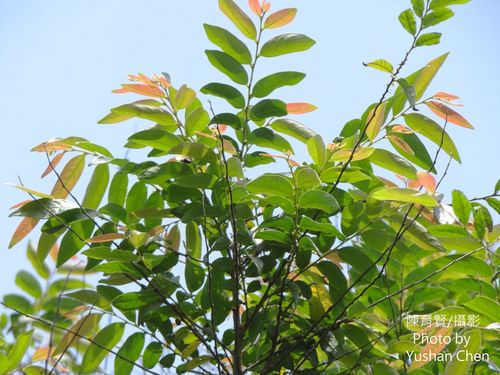
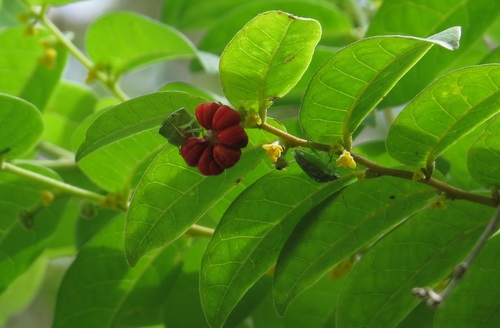
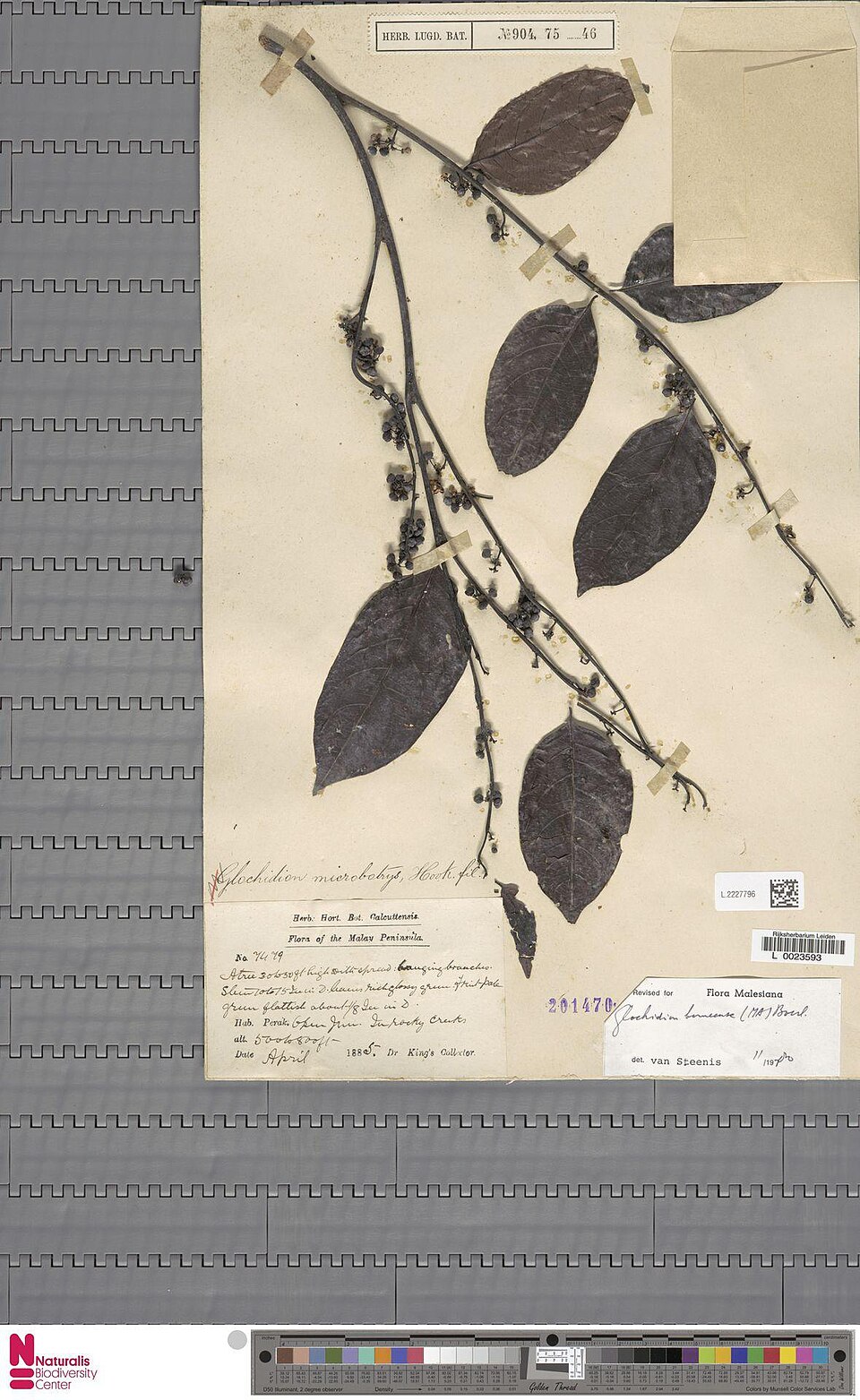
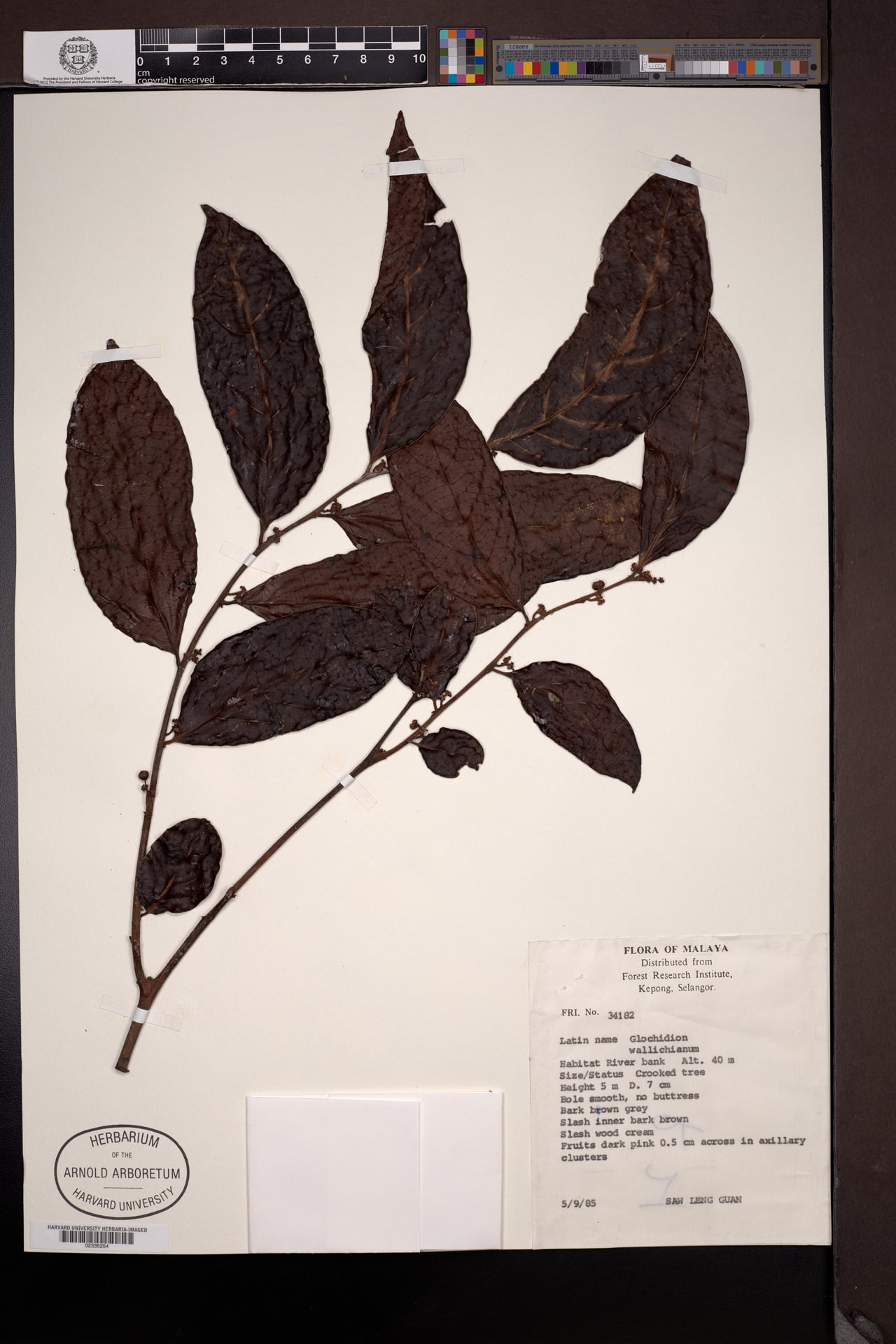
A shrub or small tree. It grows to 5 m high. Sometimes it is 13 m high. The bark is brown and rough. Young branches are covered with brown, velvety hairs. The leaves are oval and 13 cm long by 5.5 cm wide. They are dark green and velvety above and yellowish below. It tapers to a rounded base. The flowers are yellowish-green in slender catkins 10 cm long. The female flowers are less fluffy. The fruit are berry-like and 3 mm across. They are pinkish in colour. They are clustered on long hanging stalks about 10 cm long.
Edible Uses
The fruit is eaten.
Traditional Uses
The fruit is eaten.
This uses section is brief — help expand it
Medicinal Uses
The plant is used in medicine.
Distribution
A tropical plant. It grows at low altitudes in forests near rivers. It can be in palm groves. In Nigeria it has been recorded at 400 and 600 m above sea level.
Where It Grows
Africa, Angola, Cameroon, Central Africa, Central African Republic, CAR, Congo DR, Côte d'Ivoire, East Africa, Guinea, Guinée, Guinea-Bissau, Ivory Coast, Ghana, Malawi, Mozambique, Nigeria, Sao Tome and Principe, Senegal, Sierra Leone, South Africa, Southern Africa, Sudan, Tanzania, Uganda, West Africa, Zambia, Zimbabwe,
Cultivation
A dioecious species, both male and female forms need to be grown if fruit and seed are required.
Other Uses
The white wood is hard. It is used in construction, and for making tool handles, knife sheaths and spoons. The wood is used for fuel.
Notes
There are about 100-170 Antidesma species. It is also put in the family Euphorbiaceae. It is used in medicine.
Synonyms
Also Known As
Baconcom, Fitidi, Itompo, Kifitidi, Manar-ule, Mziwaziwa, Quere, Shongi
References (11)
- Chapman, J. D. & Chapman, H. M., 2001, The Forest Flora of Taraba and Andamawa States, Nigeria. WWF & University of Canterbury. p 175
- Fowler, D. G., 2007, Zambian Plants: Their Vernacular Names and Uses. Kew. p 25
- Jardin, C., 1970, List of Foods Used In Africa, FAO Nutrition Information Document Series No 2.p 121
- Latham, P., 2004, Useful Plants of Bas-Congo province. Latham & DFID p 37
- Latham, P. & Mbuta, A. K., 2014, Useful Plants of Bas-Congo Province, Democratic Republic of Congo. Volume 1. p 55
Show all 11 references Hide references
- Latham, P. & Mbuta, A. K., 2017, Plants of Kongo Central Province, Democratic Republic of Congo. Volume 1. 3rd ed p 60
- Palgrave, K.C., 1996, Trees of Southern Africa. Struik Publishers. p 405
- Peters, C. R., O'Brien, E. M., and Drummond, R.B., 1992, Edible Wild plants of Sub-saharan Africa. Kew. p 108
- Schmelzer, G.H., 2007. Antidesma membranaceum Müll.Arg. [Internet] Record from Protabase. Schmelzer, G.H. & Gurib-Fakim, A. (Editors). PROTA (Plant Resources of Tropical Africa / Ressources végétales de l’Afrique tropicale), Wageningen, Netherlands. < http://database.prota.org/search.htm>. Accessed 13 October 2009.
- Schmelzer, G.H. & Gurib-Fakim, A. (Editors), 2008. Plant Resources of Tropical Africa 11(1)-Medicinal plants 1.PROTA Foundation, Wageningen, Netherlands /791 pp
- White, F., Dowsett-Lemaire, F. and Chapman, J. D., 2001, Evergreen Forest Flora of Malawi. Kew. p 243