Rhizopogon luteolus
Fr.
Dobilenmantari
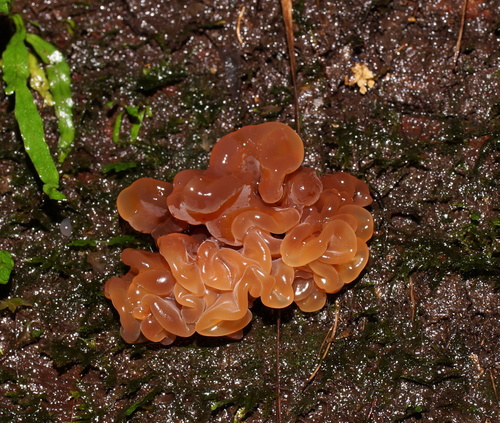
iNaturalist· cc-by-nc
(c) gabymeyer, some rights reserved (CC BY-NC)
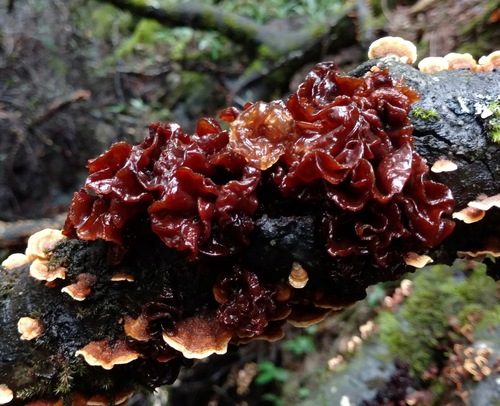
iNaturalist· cc-by-nc
(c) gabymeyer, some rights reserved (CC BY-NC)
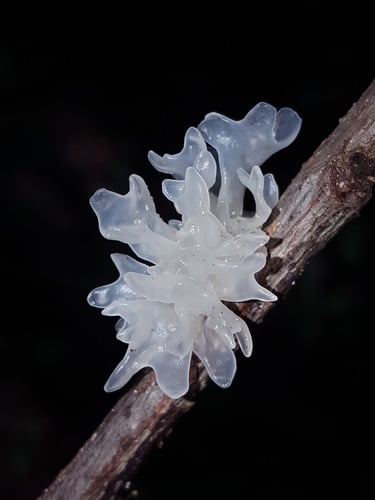
iNaturalist· cc-by-nc
(c) gabymeyer, some rights reserved (CC BY-NC)
Summary
Source: WikipediaRhizopogon luteolus is an ectomycorrhizal fungus used as a soil inoculant in agriculture and horticulture. It was deliberately introduced into Pinus radiata plantations in Western Australia after it was observed to improve tree growth.
Description
A temperate mushroom in the Tremellaceae family (also classified in Hymenogastraceae).
This description is brief — help expand it
Edible Uses
The mushroom can be eaten when still unripe.
Traditional Uses
It can be eaten when still unripe.
This uses section is brief — help expand it
Distribution
It is a temperate plant.
Where It Grows
Asia, Australia, China, Europe, Himalayas, Nepal, South America, Turkey, Türkiye, Uruguay,
Notes
Also in family Hymenogastraceae.
References (6)
- Boa, E. R., 2004, Wild edible fungi and their importance to people. FAO Non Wood Forest Products Booklet 17
- Christensen, M., et al, 2008, Collection and Use of Wild Edible Fungi in Nepal. Economic Botany, 62(1), 2008, pp. 12–23
- Cribb, A.B. & J.W., 1976, Wild Food in Australia, Fontana. p 206
- Ertug, F., 2004, Wild Edible Plants of the Bodrum Area. (Mugla, Turkey). Turk. J. Bot. 28 (2004): 161-174
- Fuhrer, B., 2005, A field guide to Australian Fungi. Bloomings Books. p 239
Show all 6 references Hide references
- Pace, G., 1998, Mushrooms of the world. Firefly books. p 233