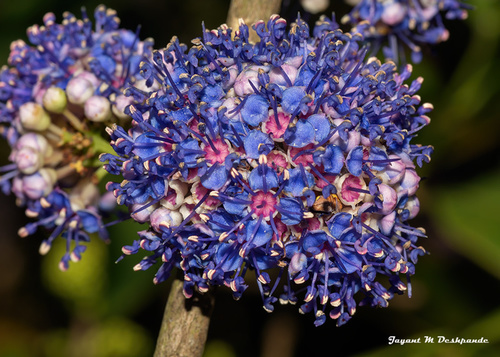
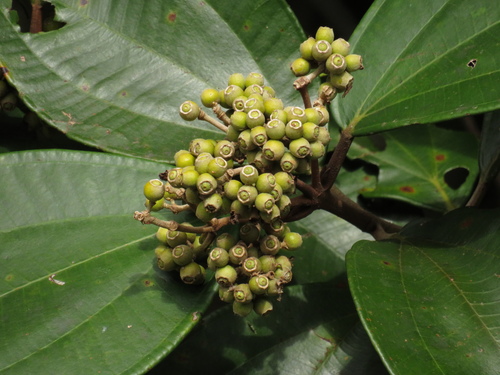
Rhexia virginica
L.
Virginia meadow beauty, Handsome Harry, Deer grass
iNaturalist· cc-by
(c) Doug McGrady, some rights reserved (CC BY)
iNaturalist· cc-by-nd
(c) Joan Knapp, some rights reserved (CC BY-ND), uploaded by Joan Knapp
iNaturalist· cc-by-sa
(c) Douglas Goldman, some rights reserved (CC BY-SA), uploaded by Douglas Goldman
Summary
Source: WikipediaRhexia virginica, the handsome Harry or Virginia meadow-beauty, is a species of flowering plant in the family Melastomataceae. It is native to much of eastern North America, and is often found in moist, often acidic soils in open areas.
Description
A plant between 60-90 cm high. The stems are 4 sided. The leaves are opposite and do not have a leaf stalk. The flowers are pink. There are 4 broad petals. These fold backwards. The 8 stamens have yellow anthers.
Edible Uses
The leaves can be eaten raw or cooked and have a sweetish, slightly acid taste that makes a pleasant salad. The roots are eaten raw and can be chopped and added to salads or enjoyed on their own as a nut-like nibble. A sour drink is made from the leaves and stems combined.
Traditional Uses
The tender leaves can be added to salads. The leaves can be cooked by boiling for 10 minutes then served with lemon or vinegar. The tubers can be chopped and added to salads or eaten raw. The leaves and stems are used to make a sour drink.
Medicinal Uses
A tea made from the leaves and stems is used as a throat cleaner.
Distribution
It is a temperate plant. It grows in wet or moist sandy soil. It suits hardiness zone 4.
Where It Grows
Amazon, North America, Peru, South America, USA,
Cultivation
Requires a moist but freely draining neutral or acid peaty soil. Incorporate sand or grit into the soil if necessary at planting time. Grows well in a bog garden.
Propagation
Sow seed in spring in a greenhouse, only just covering it. Germination should occur within 10 weeks. Prick seedlings out into individual pots when large enough to handle and grow them on in a cold greenhouse or frame through their first winter, then plant out in late spring. For division, work in spring. Larger divisions can go directly into their permanent positions; smaller ones are better potted up and grown on in light shade in a cold frame until well established before planting out in late spring or early summer.
Other Uses
Miscellany None known Special Uses Food Forest
References (7)
- Facciola, S., 1998, Cornucopia 2: a Source Book of Edible Plants. Kampong Publications, p 149
- Jackes, D. A., 2007, Edible Forest Gardens
- Kermath, B. M., et al, 2014, Food Plants in the Americas: A survey of the domesticated, cultivated and wild plants used for Human food in North, Central and South America and the Caribbean. On line draft. p 742
- Lim, T. K., 2015, Edible Medicinal and Non Medicinal Plants. Volume 9, Modified Stems, Roots, Bulbs. Springer p 73
- Loughmiller, C & L., 1985, Texas Wildflowers. A Field Guide. University of Texas, Austin. p 166
Show all 7 references Hide references
- Moerman, D. F., 2010, Native American Ethnobotany. Timber Press. p 470
- Sp. pl. 1:346. 1753