Tristemma albiflorum
(G. Don) Benth.
gbif· cc-by
Royal Botanic Gardens, Kew
gbif· cc-by
Royal Botanic Gardens, Kew
gbif· cc-by
Royal Botanic Gardens, Kew
Description
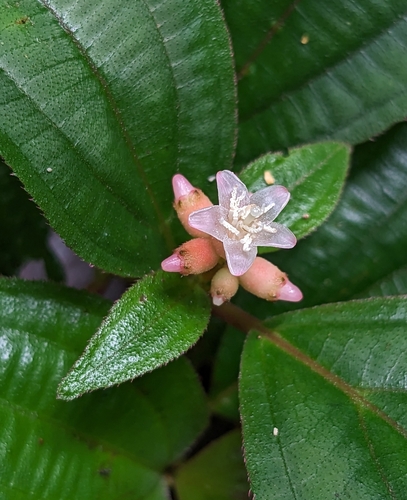
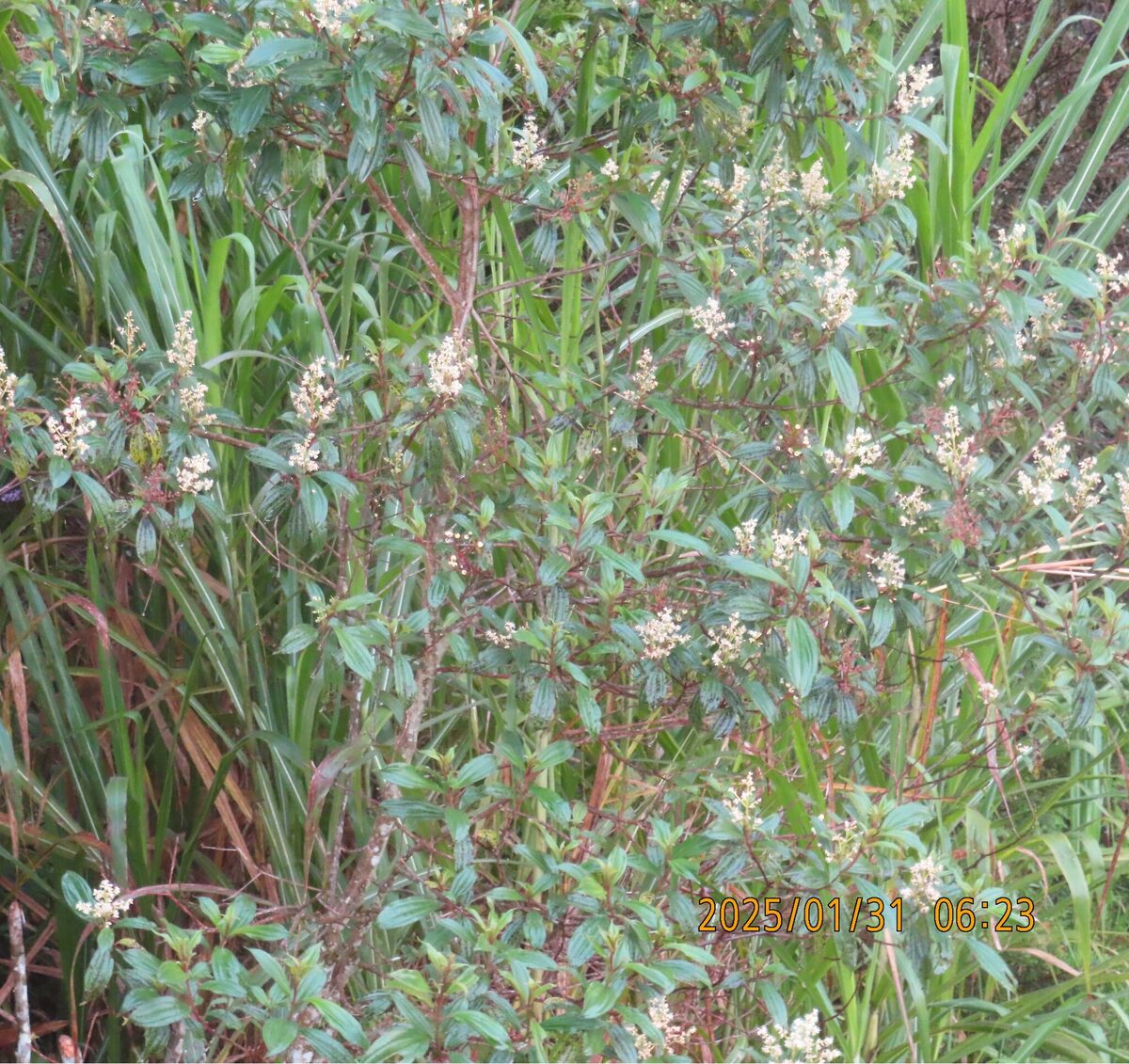
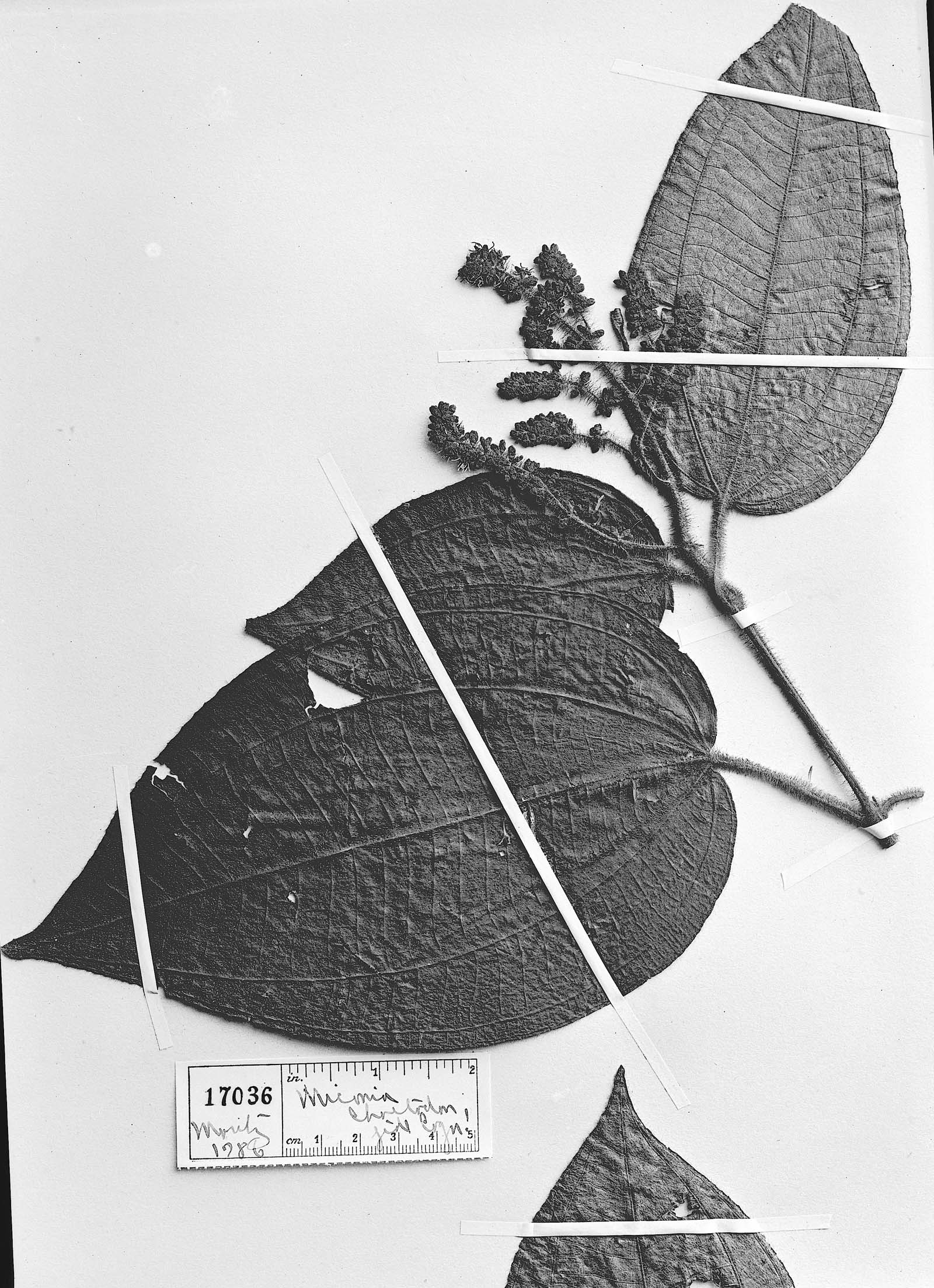
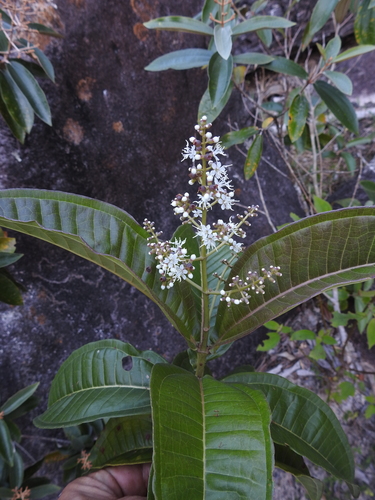
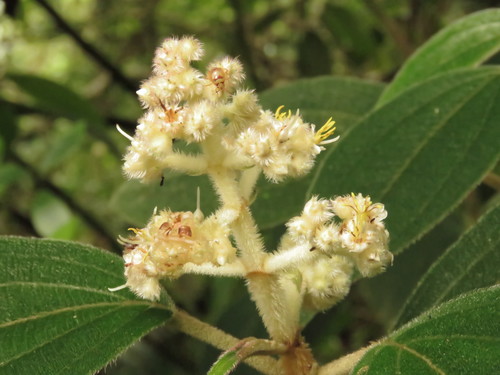
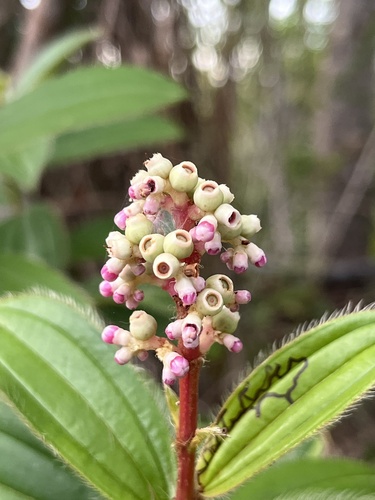
A shrub up to 1.5 m high. The stems are 4 angled. The leaves are simple and 5-15 cm long. Both sides of the leaf are hairy. The flowers are in a cluster at the end of the branches. The flowers have 5 petals. They are cream, pink or purple. The fruit are 10-18 mm long by 6-14 mm wide. The occur in tight clusters at the ends of branches. There are many tiny seeds inside. The fruit is edible.
Edible Uses
The fruit are edible and can be eaten fresh.
Distribution
A tropical plant. It grows in disturbed rain-forest in wet sites. It can be in palm groves or wet grass savannah.
Where It Grows
Africa, Angola, Benin, Cameroon, Central Africa, Congo, Côte d'Ivoire, East Africa, Equatorial Guinea, Gambia, Ghana, Guinea, Guinée, Guinea-Bissau, Ivory Coast, Liberia, Madagascar, Mauritius, Senegal, Sierra Leone, Sudan, Togo, West Africa,
Synonyms
Also Known As
Mbel bongo, Tristemma
References (3)
- Burkill, H. M., 1985, The useful plants of west tropical Africa, Vol. 4. Kew.
- Vivien, J., & Faure, J.J., 1996, Fruitiers Sauvages d'Afrique. Especes du Cameroun. CTA p 194
- World Checklist of Useful Plant Species 2020. Royal Botanic Gardens, Kew