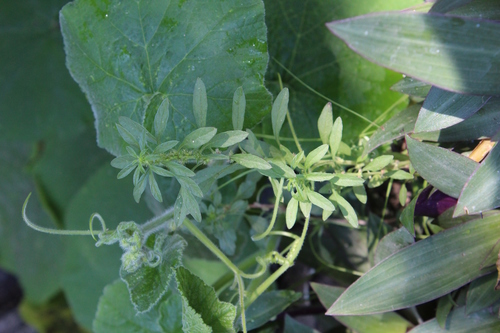
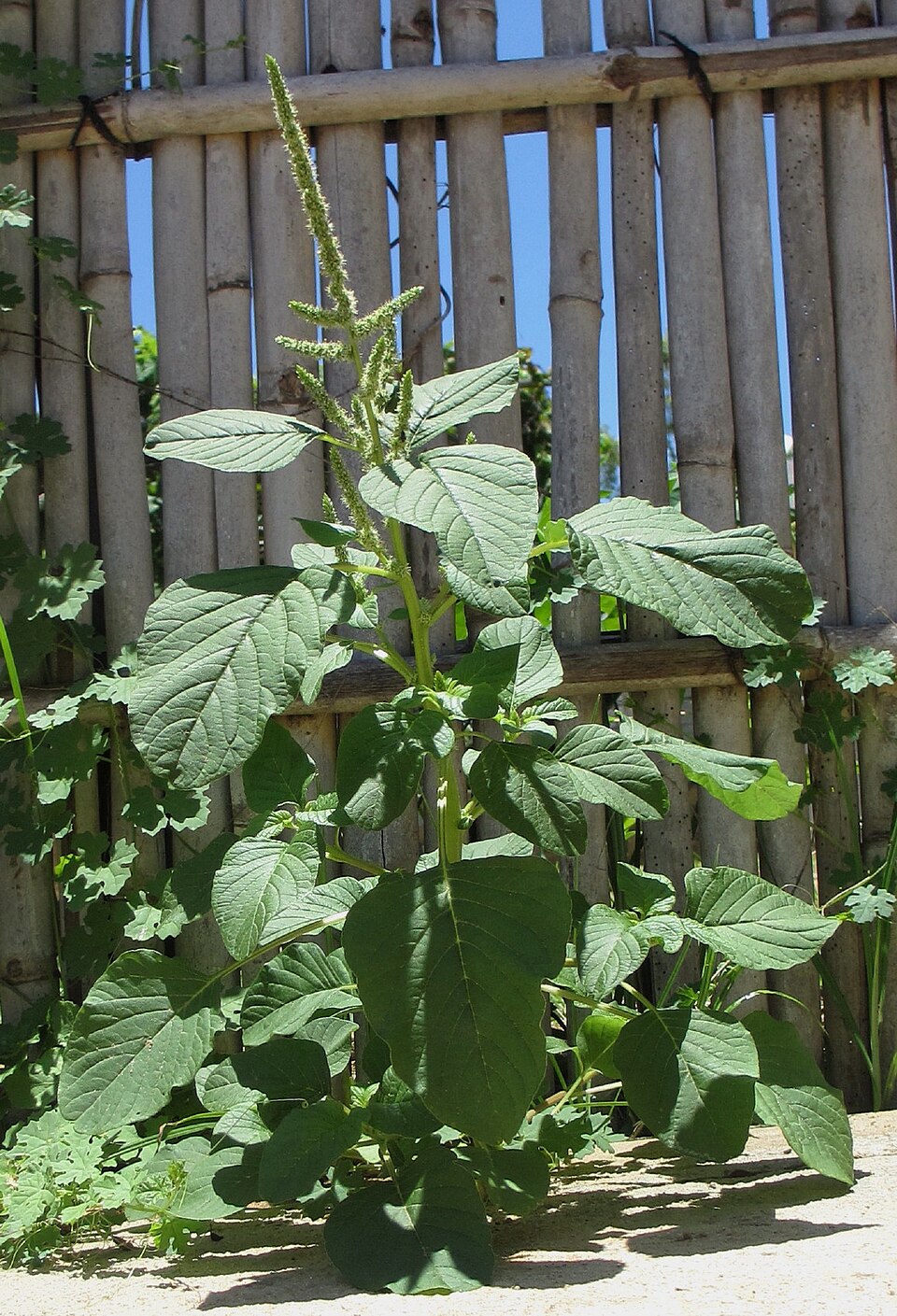
Rhagodia candolleana
Moq.
Coastal saltbush, Seaberry saltbush
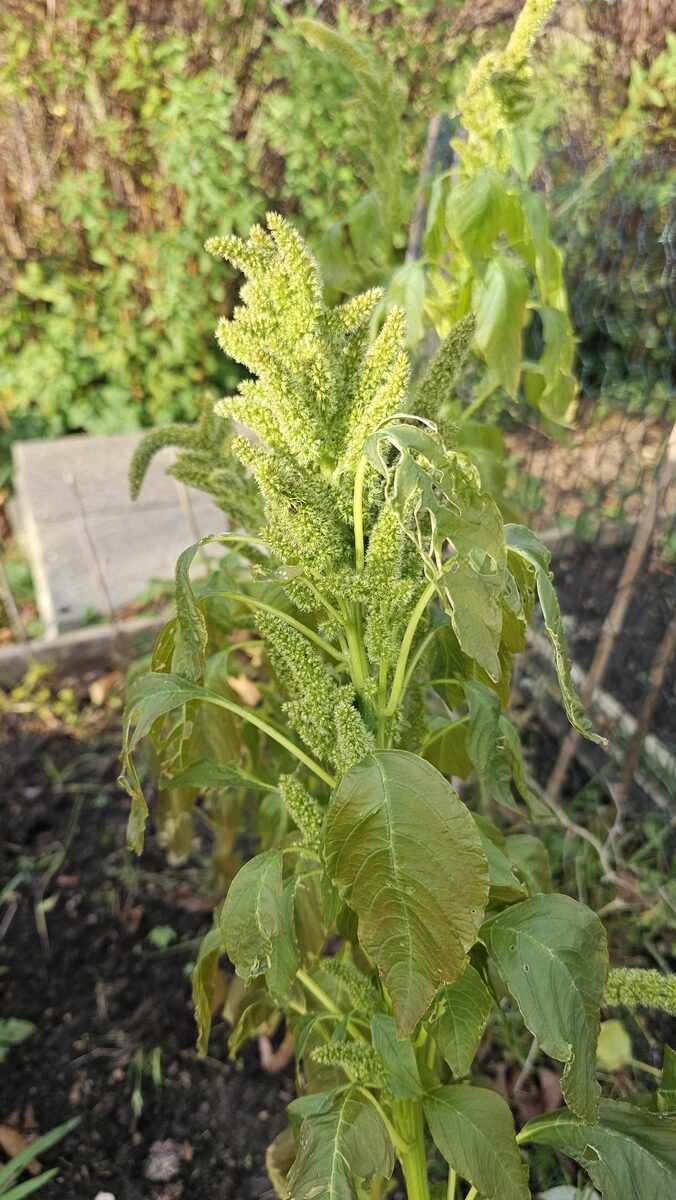
iNaturalist· cc-by-nc-nd
(c) Bill Higham, some rights reserved (CC BY-NC-ND)
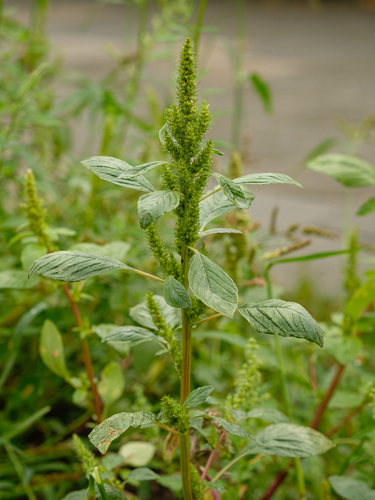
iNaturalist· cc-by-nc-nd
(c) sea-kangaroo, some rights reserved (CC BY-NC-ND), uploaded by sea-kangaroo
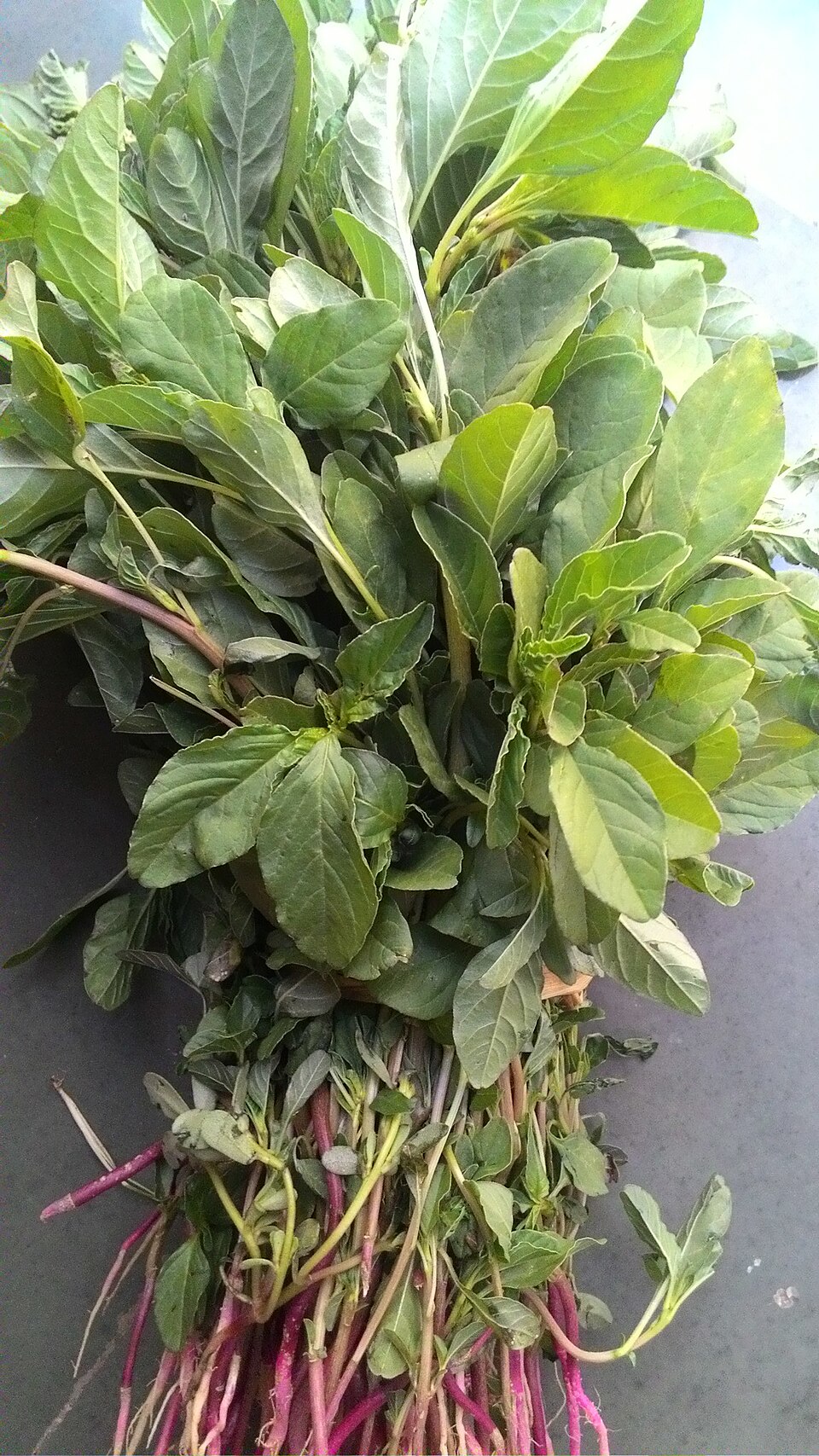
iNaturalist· cc-by
(c) Terra Occ, some rights reserved (CC BY), uploaded by Terra Occ
Summary
Source: WikipediaRhagodia candolleana is a hermaphroditic shrub growing to 2 m tall. It adapts to light sandy, medium loamy, and heavy clay soils with mildly acidic to basic pH, including saline soils. The plant tolerates semi-shade or full sun, prefers moist soil, and can withstand maritime exposure.
Description
A weak sprawling shrub. It grows 1-2.5 m high. Sometimes it climbs over other shrubs. The leaves are narrow and oval. They are 10-25 mm long. They can be leathery or slightly fleshy. They are grey and scaly underneath. The leaves narrow into a short leaf stalk. The flowers are small and greenish-white. They are in clusters shaped like a pyramid. The fruit are red and fleshy and berry-like. They are 5 mm across. They are edible.
Edible Uses
None known.
Traditional Uses
The ripe fruit are edible. They can be eaten raw or cooked. They can be bitter. The leaves are eaten cooked.
This uses section is brief — help expand it
Medicinal Uses
None known.
Distribution
It is a temperate plant. They grow on sand dunes, limestone cliffs and in salt marshes. They are salt tolerant. It is often on the seaward side of the dunes. Tasmania Herbarium.
Where It Grows
Australia*, South Africa, Southern Africa, Tasmania*, USA,
Cultivation
Plants can be grown from seed or cuttings.
Other Uses
None known.
Notes
Also put in the family Chenopodiaceae.
Synonyms
Also Known As
Bullagai
References (22)
- Bodkin, F., 1991, Encyclopedia Botanica. Cornstalk publishing, p 874 (As Rhagodia baccata)
- Breidahl H., 1997, Australian Southern Shores. Lothian. p 60
- Caton, J.M. & Hardwick, R. J., 2016, Field Guide to Useful Native Plants from Temperate Australia. Harbour Publishing House. p 76
- Cherikoff V. & Isaacs, J., The Bush Food Handbook. How to gather, grow, process and cook Australian Wild Foods. Ti Tree Press, Australia p 196 (As Rhagodia baccata)
- Dashorst, G.R.M., and Jessop, J.P., 1998, Plants of the Adelaide Plains & Hills. Botanic Gardens of Adelaide and State Herbarium. p 58
Show all 22 references Hide references
- Daw, B., Walley, T. & Keighery, G., 2001, Bush Tucker. Plants of the South-West. Department of Conservation and Land Management. Western Australia. p 8 (As Rhagodia baccata)
- Flora of Australia, Volume 4, Phytolaccaceae to Chenopodiaceae, Australian Government Publishing Service, Canberra (1984) p 170 (As Rhagodia baccata)
- Flora of Australia, Volume 4, Phytolaccaceae to Chenopodiaceae, Australian Government Publishing Service, Canberra (1984) p 167
- Hardwick, R.J., 2000, Nature's Larder. A Field Guide to the Native Food Plants of the NSW South Coast. Homosapien Books. p 40
- Harris, S., Buchanan, A., Connolly, A., 2001, One Hundred Islands: The Flora of the Outer Furneaux. Tas Govt. p 215
- Hastings Advance Community College, 2017, Uses for Native Plants of the Mornington Peninsula. 86pp. p 65
- Hibbert, M., 2002, The Aussie Plant Finder 2002, Florilegium. p 246
- Howells, C & Gulline, H., 2003, Coastal Plants of Tasmania. Plant Identikit. Australian Plant Society, Tasmania. p 51
- Lamp, C & Collet F., 1989, Field Guide to Weeds in Australia. Inkata Press. p 237
- Lord, E.E., & Willis, J.H., 1999, Shrubs and Trees for Australian gardens. Lothian. p 191 (As Rhagodia baccata)
- Low, T., 1991, Wild Food Plants of Australia. Australian Nature FieldGuide, Angus & Robertson. p 33
- Low, T., 1992, Bush Tucker. Australia’s Wild Food Harvest. Angus & Robertson. p 52
- Paczkowska, G. & Chapman, A.R., 2000, The Western Australian Flora. A Descriptive Catalogue. Western Australian Herbarium. p 204
- Tasmanian Herbarium Vascular Plants list p 22
- Whiting, J. et al, 2004, Tasmania's Natural Flora. Tasmania's Natural Flora Editorial Committee PO Box 194, Ulverstone, Tasmania, Australia 7315 p 94
- Woolmore, E et al, 2002, King Island Flora: A Field Guide. p 38
- Zola, N., & Gott, B., 1992, Koorie Plants Koorie People. Koorie Heritage Trust. p 22