Ranunculus pensylvanicus
L.f.
Pennsylvania buttercup, Maocan My
wikimedia· cc0
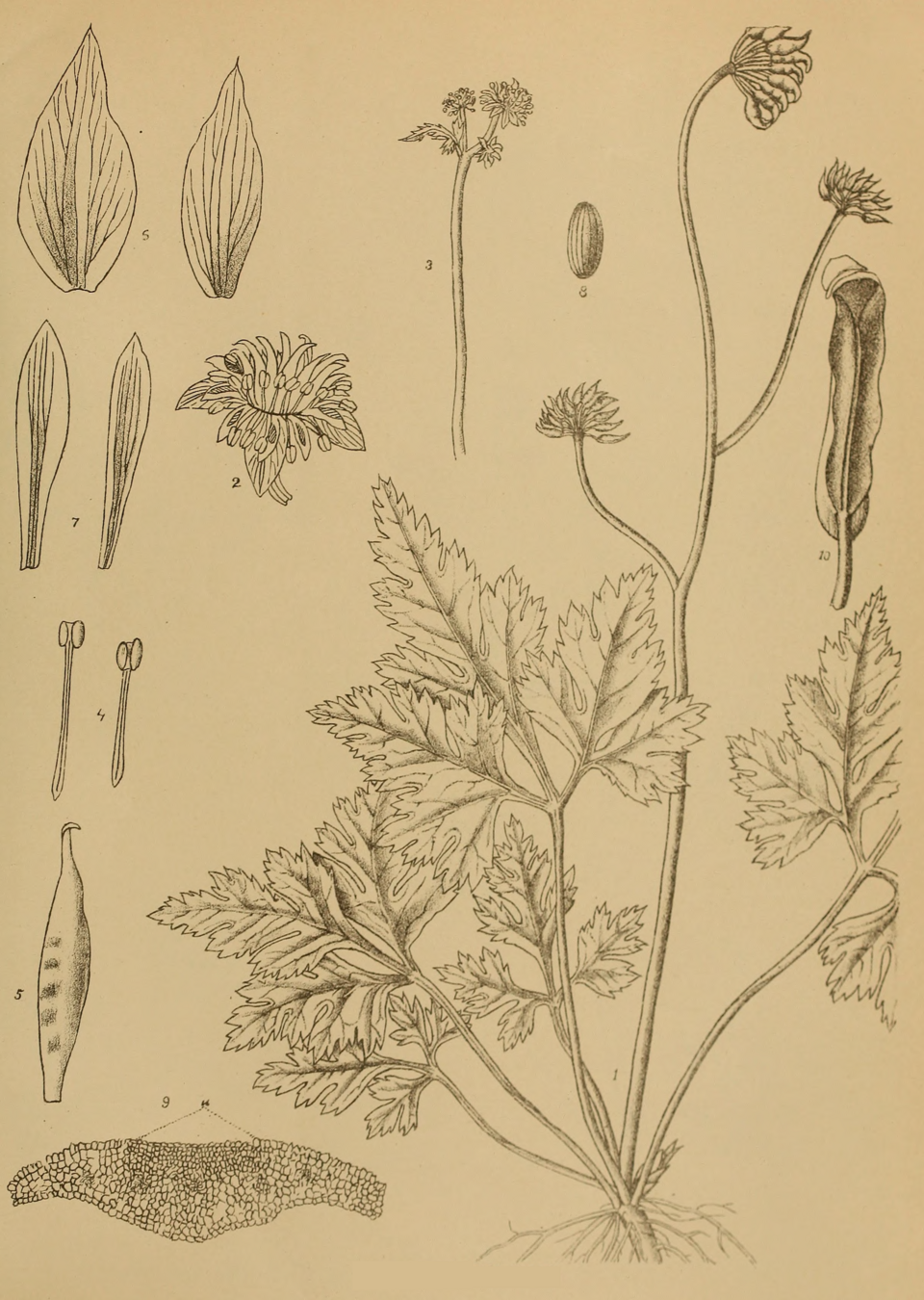
Wikimedia Commons - Edward G. Voss. USDA NRCS. 1992. Western wetland flora: Field office guide to plant species. West Region, Sacramento. Courtesy of USDA NRCS Wetland Science Institute.
wikimedia· cc0
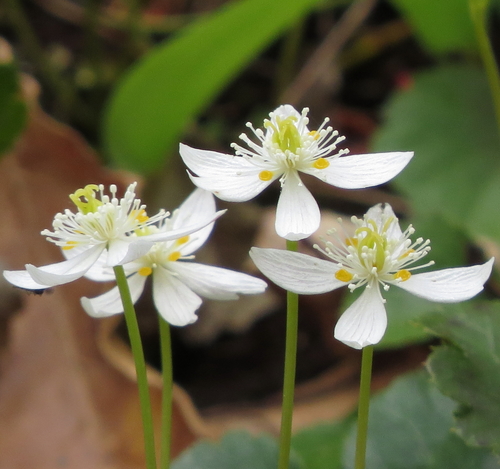
Wikimedia Commons - Britton, N.L., and A. Brown. 1913. An illustrated flora of the northern United States, Canada and the British Possessions. 3 vols. Charles Scribner's Sons, New York. Vol. 2: 112. Courtesy of Kentucky Native Plant Society. Scanned by Omnitek Inc.
iNaturalist· cc-by-nc
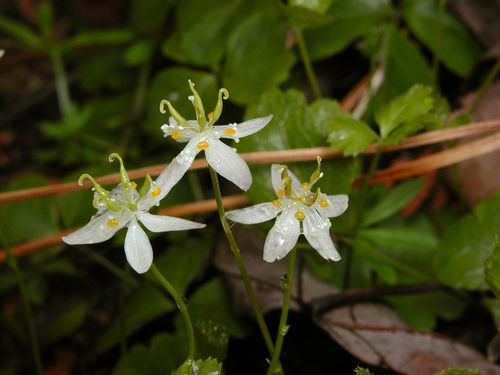
(c) wanderingeden, some rights reserved (CC BY-NC), uploaded by wanderingeden
Description
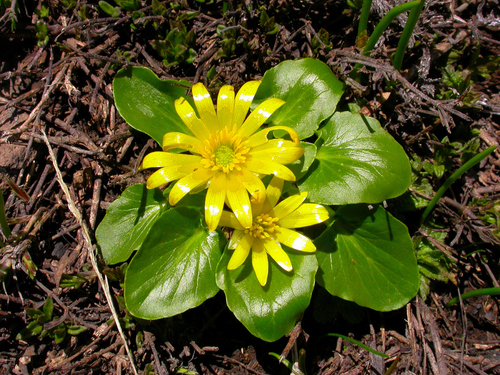
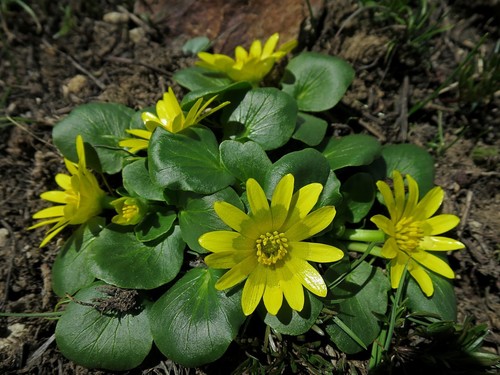
A herb. It is erect and hairy. The flowers are yellow. The dry one seeded fruit is on a long stalk.
This description is brief — help expand it
Edible Uses
Leaves are edible when cooked. They contain toxins, but at too low a concentration to be harmful.
Medicinal Uses
The plant is rubefacient and is used to raise blisters.
Distribution
It is a temperate plant.
Where It Grows
Asia, Canada, China, Indochina, Myanmar, North America, SE Asia, USA, Vietnam,
Propagation
Sow seed in spring in a cold frame. Prick seedlings out into individual pots once large enough to handle, and plant out during summer.
Other Uses
The entire plant can be boiled to yield a red dye; the bark of bur oak (Quercus macrocarpa) is added to fix the colour. The whole plant can also be boiled together with rushes (Juncus spp) or flags (Iris spp and Acorus calamus) to dye them yellow for use in making mats, baskets, and similar items.
Notes
There are about 400 Ranunculus species. Leaf yields a small amount (ca. 0.12%) of a yellow oil. Also contains anemonin, in small amounts, not considered sufficient enough to be injurious.
Synonyms
References (3)
- Pham-Hoang Ho, 1999, An Illustrated Flora of Vietnam. Nha Xuat Ban Tre. p 323
- Plants for a Future database, The Field, Penpol, Lostwithiel, Cornwall, PL22 0NG, UK. http://www.scs.leeds.ac.uk/pfaf/
- READ,