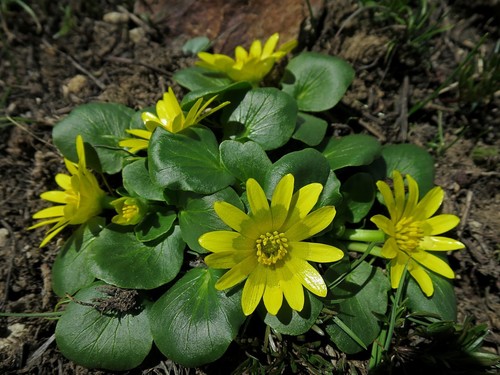
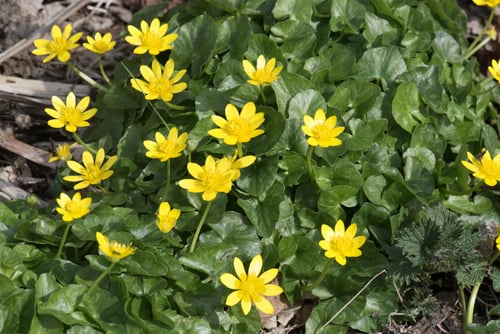
Ranunculus nipponicus
(Makino) Nakai
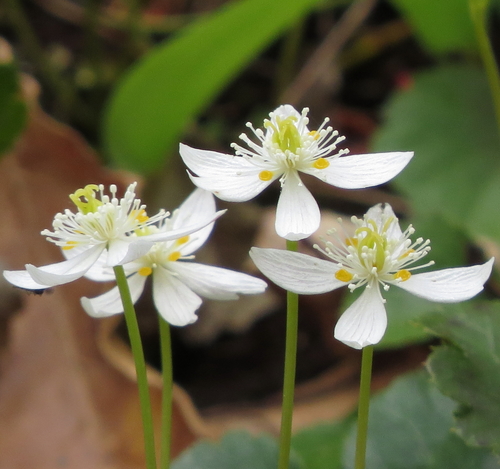
iNaturalist· cc-by-sa
(c) Hamachidori, some rights reserved (CC BY-SA)
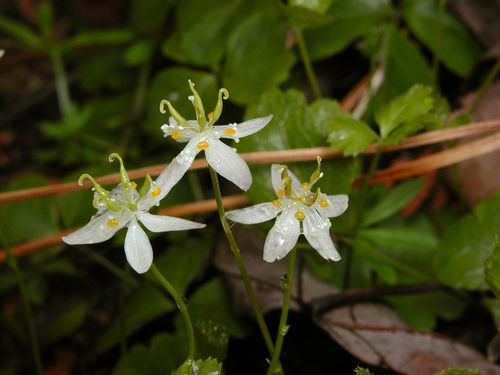
iNaturalist· cc-by-sa
(c) Sugikats, some rights reserved (CC BY-SA)
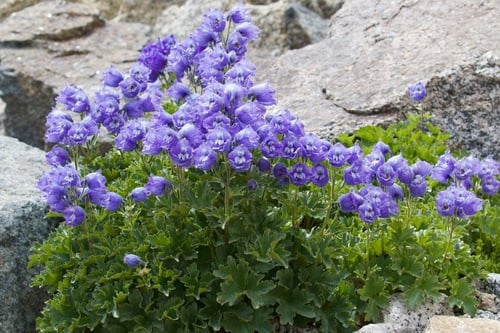
iNaturalist· cc-by-sa
(c) 金子正彦, some rights reserved (CC BY-SA)
Summary
Source: WikipediaRanunculus nipponicus is a species of aquatic flowering plant in the family Ranunculaceae. It is native to eastern Russia and Japan. The species has been proposed to be useful for cleaning-up nitrate-contaminated groundwater as the shoots can actively uptake nitrate from cool (15 °C) water.
Description
A perennial with no specified height, flowering May to July. Hermaphroditic flowers are insect-pollinated. Tolerates light sandy, medium loamy, and heavy clay soils with mildly acidic to basic pH. Grows in semi-shaded woodland or full sun and prefers wet soil, even tolerating shallow water.
Edible Uses
The whole plant can be eaten raw or cooked. Some caution is advised due to the plant's toxicity.
Medicinal Uses
None known.
Distribution
It is a temperate plant.
Where It Grows
Asia, Japan,
Propagation
Sow seed in spring in a cold frame. Prick seedlings out into individual pots once large enough to handle, and plant out during summer. Can also be propagated by division in spring.
Other Uses
None known.
Notes
There are about 400 Ranunculus species.
References (1)
- Plants for a Future database, The Field, Penpol, Lostwithiel, Cornwall, PL22 0NG, UK. http://www.scs.leeds.ac.uk/pfaf/