Lithocarpus pachyphyllus
(Kurz.) Rehd.
Thick-leaved oak
iNaturalist· cc-by-nc
(c) Kevin Metcalf, some rights reserved (CC BY-NC), uploaded by Kevin Metcalf
iNaturalist· cc0
no rights reserved
iNaturalist· cc0
no rights reserved
Description
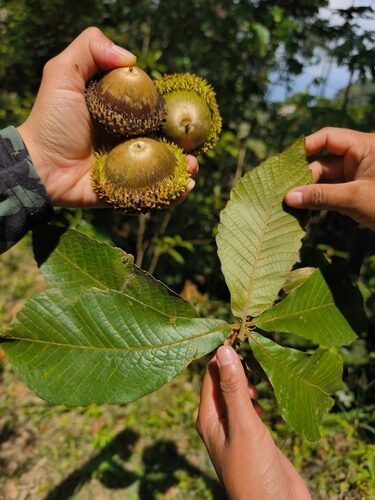
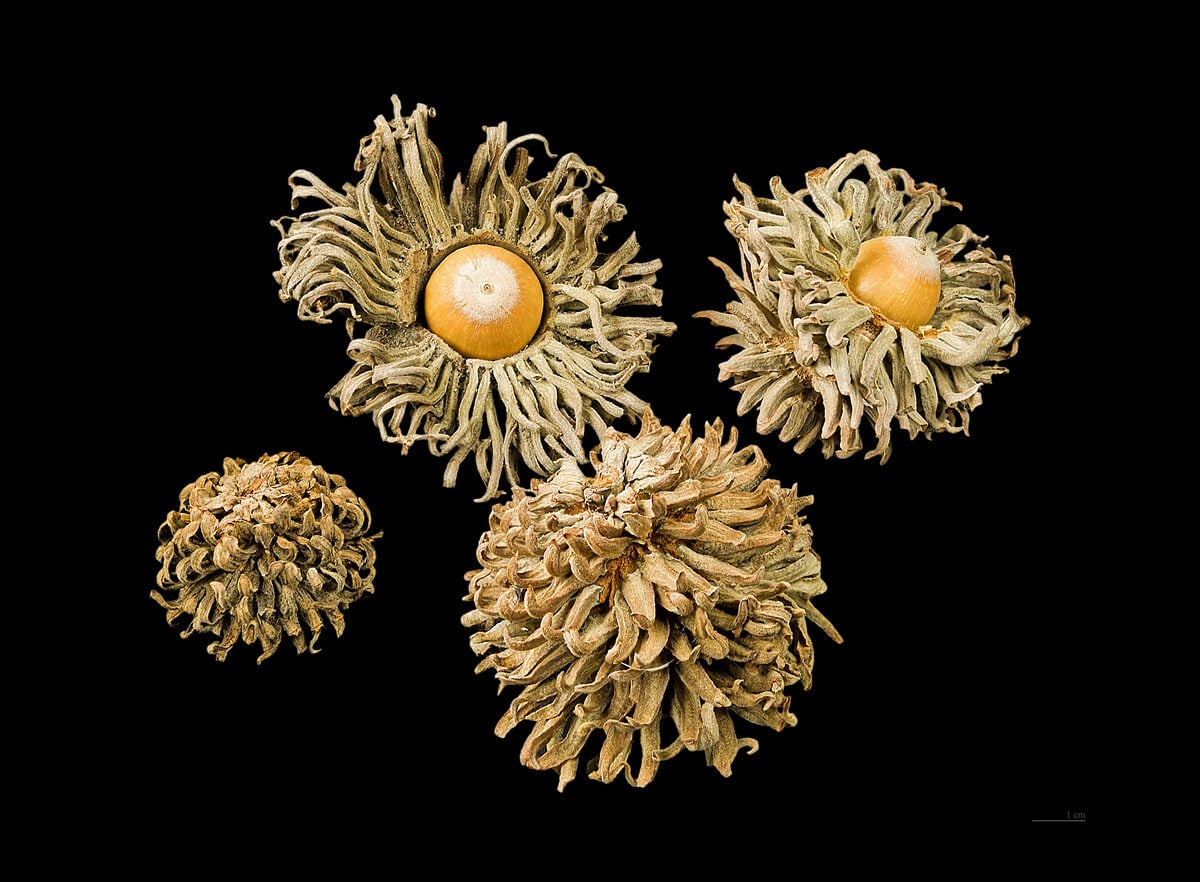
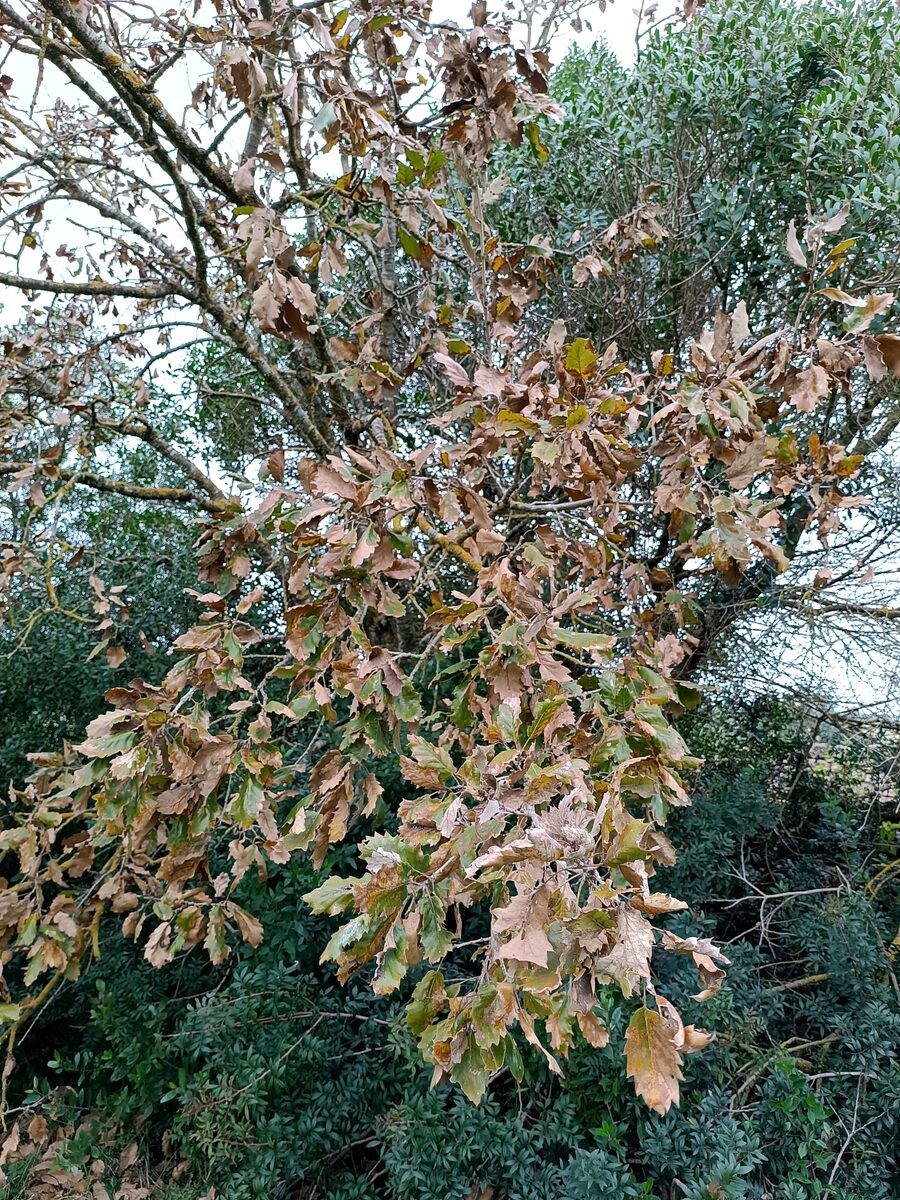
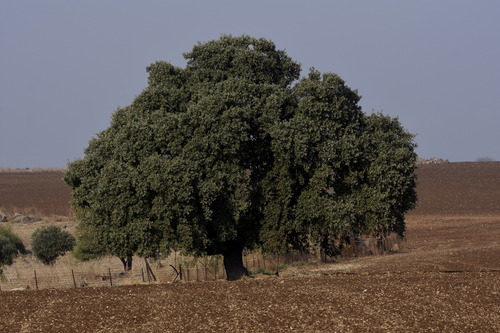
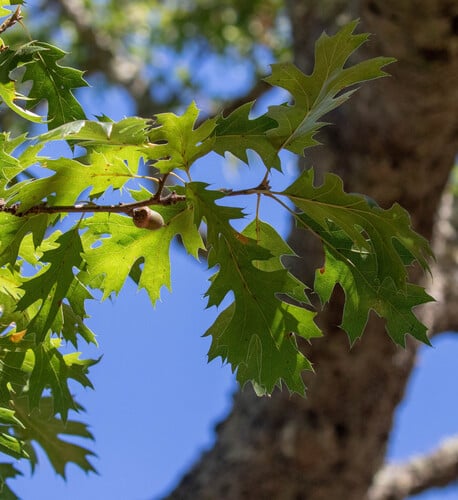
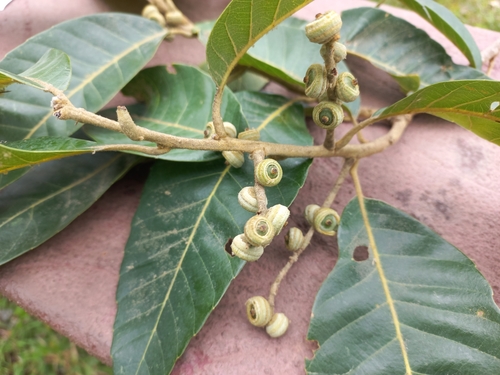
A tree. It grows 25 m tall. The young branches have rusty scales. The leaf blade is narrowly oval and 10-20 cm long and 4-7 cm wide. It is dark red underneath when young. Male and female flowers are separate. Male flowers occur singly in the axils of leaves. Female flowers are in groups of 2 or 3 and 15 cm long. The seed is in a cup shaped structure up to 2.5 cm long by 5 cm wide. The nut is a flattened round shape and 2 cm long by 3 cm wide.
Edible Uses
The seeds (nuts) are eaten.
Distribution
It is a temperate plant. It grows in broad-leaved evergreen forests between 800-2,000 m above sea level in Tibet and southern China. In Yunnan.
Where It Grows
Asia, Bhutan, Britain, China, Europe, Himalayas, India, Myanmar, Nepal, Northeastern India, SE Asia, Sikkim, Tibet,
Notes
There are about 600 Quercus species.
Synonyms
Also Known As
Bante, Bantey, Gante, Srikung, Sungure katus, Thil
References (3)
- Ambasta S.P. (Ed.), 2000, The Useful Plants of India. CSIR India. p 333
- Plants for a Future database, The Field, Penpol, Lostwithiel, Cornwall, PL22 0NG, UK. http://www.scs.leeds.ac.uk/pfaf/ (As Quercus pachyphylla)
- Sharma, G., et al, 2016, Agrobiodiversity in the Sikkim Himalaya. International Centre for Integrated Mountain Development, ICIMOD Working Paper 2016/5 (As Quercus pachyphylla)