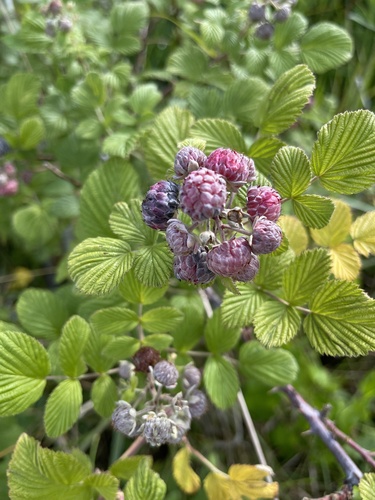
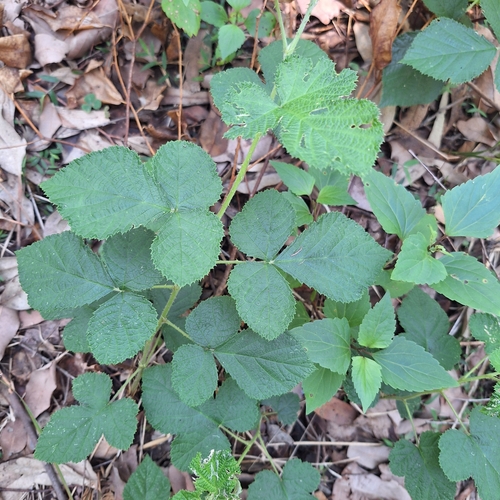
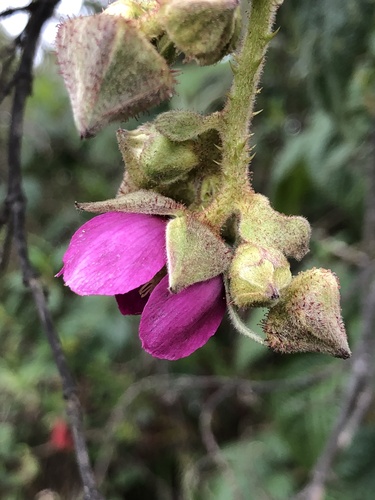
Prunus iranica
Koval.
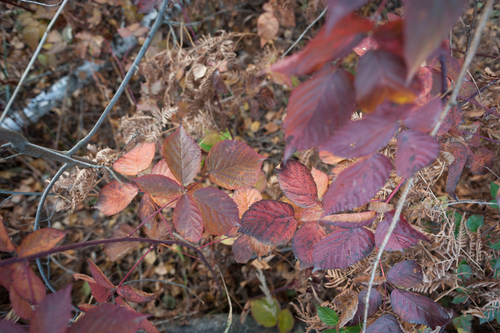
wikimedia· cc-by-sa
Father of Nehrams2020 (via Wikimedia Commons)
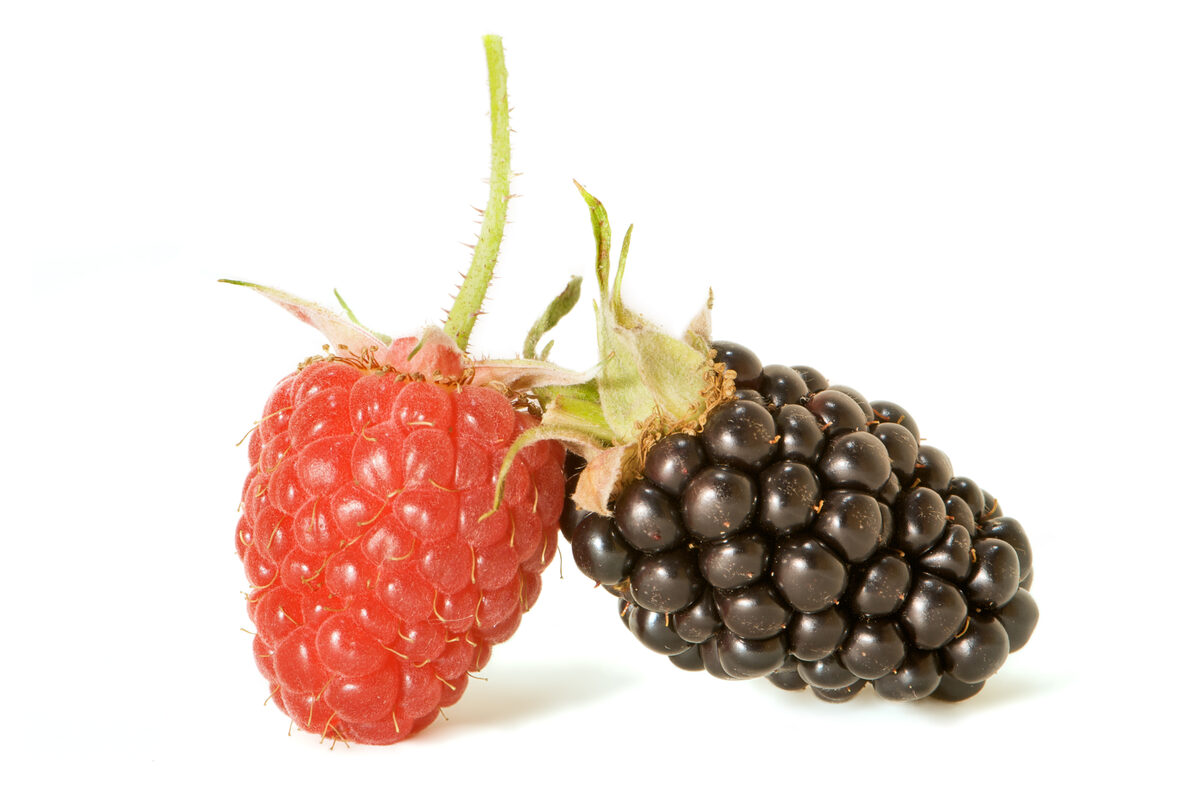
wikimedia· cc-by-sa
Ivar Leidus (via Wikimedia Commons)
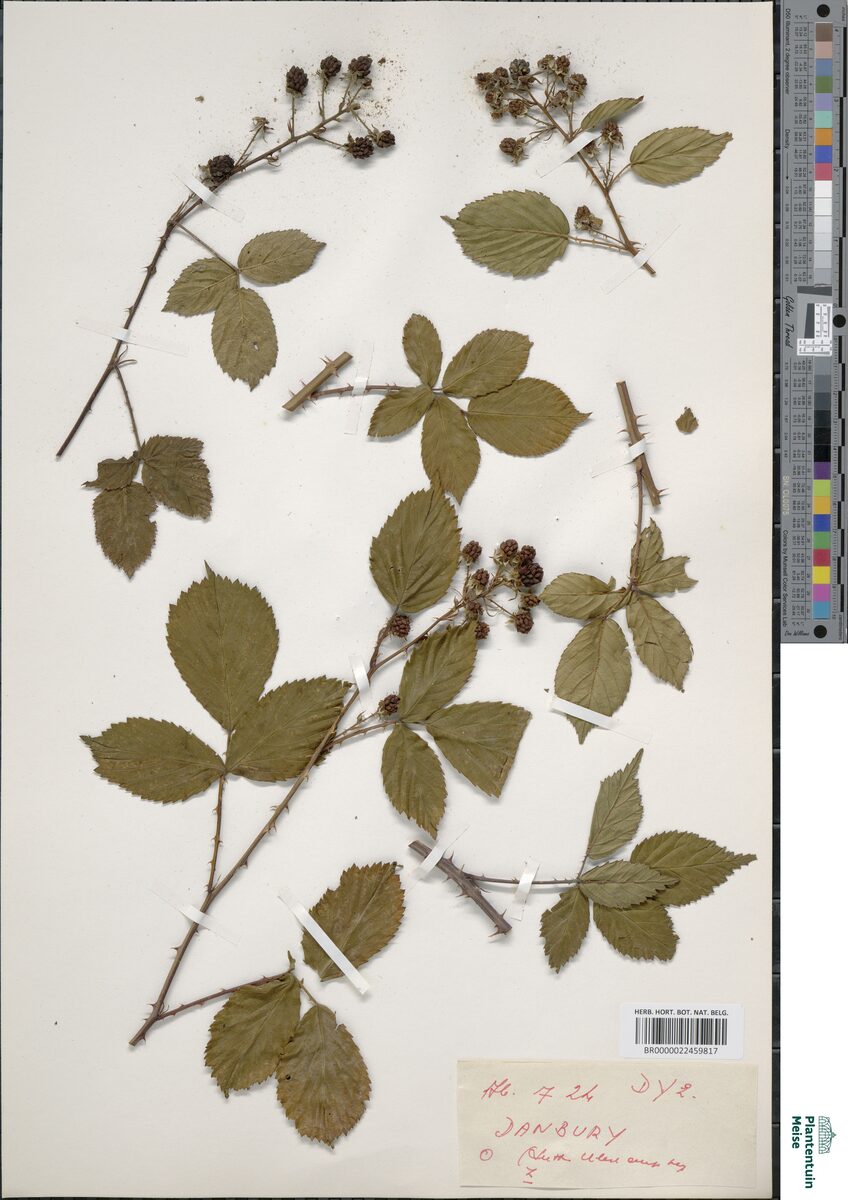
wikimedia· cc-by-sa
Davidbena (via Wikimedia Commons)
Summary
Source: WikipediaA deciduous tree. Hermaphroditic and insect-pollinated. Grows in light, medium, or heavy soils with good drainage; prefers mildly acidic to mildly alkaline conditions. Tolerates semi-shade or full sun and prefers moist soil.
Description
A deciduous tree. Hermaphroditic and insect-pollinated. Grows in light, medium, or heavy soils with good drainage; prefers mildly acidic to mildly alkaline conditions. Tolerates semi-shade or full sun and prefers moist soil.
Edible Uses
The fruit can be eaten raw or cooked and contains a single large seed. The seed can also be eaten raw or cooked, but should not be consumed if it is too bitter.
Medicinal Uses
No specific medicinal use has been recorded for this species, but like all members of the genus it contains amygdalin and prunasin, compounds that break down in water to release hydrocyanic acid (cyanide or prussic acid). In small amounts, this highly poisonous substance is said to stimulate respiration, improve digestion, and produce a sense of well-being.
Known Hazards
Bitter almonds contain some 40 times the trace levels of cyanide found in sweet almonds. Extract of bitter almond was once used medicinally, but even in small doses, its effects are severe or lethal, especially in children; the cyanide must be removed before consumption. The acute oral lethal dose of cyanide for adult humans is reported to be 0.5–3.5 mg/kg (0.2–1.6 mg/lb) of body weight (approximately 50 bitter almonds), so that for children consuming 5–10 bitter almonds may be fatal. Symptoms of eating such almonds include vertigo and other typical cyanide poisoning effects. Almonds may cause allergy or intolerance. Cross-reactivity is common with peach allergens (lipid transfer proteins) and tree nut allergens. Symptoms range from local signs and symptoms (e.g., oral allergy syndrome, contact urticaria) to systemic signs and symptoms including anaphylaxis (e.g., urticaria, angioedema, gastrointestinal and respiratory symptoms). Almonds are susceptible to aflatoxin-producing moulds. Aflatoxins are potent carcinogenic chemicals produced by moulds such as Aspergillus flavus and Aspergillus parasiticus. The mould contamination may occur from soil, previously infested almonds, and almond pests such as navel-orange worm. High levels of mould growth typically appear as grey to black filament-like growth. It is unsafe to eat mould-infected tree nuts. Some countries have strict limits on allowable levels of aflatoxin contamination of almonds and require adequate testing before the nuts can be marketed to their citizens. The European Union, for example, introduced a requirement since 2007 that all almond shipments to the EU be tested for aflatoxin. If aflatoxin does not meet the strict safety regulations, either the entire consignment must be reprocessed to eliminate the aflatoxin or it must be destroyed.
Distribution
Temperate.
Where It Grows
Iran, Middle East,
Cultivation
We have very little information on this species and do not know how hardy it will be in Britain, though judging by its native range it should succeed outdoors in most parts of this country. It might be no more than a cultivated form of P. cerasifera divaricata. The following notes are based on the general needs of the genus. Thrives in a well-drained moisture-retentive loamy soil. Prefers some lime in the soil but is likely to become chlorotic if too much lime is present. Succeeds in sun or partial shade though it fruits better in a sunny position. Most members of this genus are shallow-rooted and will produce suckers if the roots are damaged. Plants in this genus are notably susceptible to honey fungus.
Propagation
Seed requires 2–3 months of cold stratification and is best sown in a cold frame as soon as it is ripe. Stored seed should be sown in a cold frame as early in the year as possible and protected from mice. Germination can be slow, sometimes taking 18 months. Prick out seedlings into individual pots when large enough to handle, overwinter in a greenhouse or cold frame, and plant out in late spring or early summer the following year. Cuttings of half-ripe wood with a heel can be taken in July or August in a frame. Softwood cuttings from strongly growing plants can be taken in spring to early summer in a frame. Layering can be done in spring.
Other Uses
A green dye can be obtained from the leaves, and a dark grey to green dye from the fruit.
Notes
There are about 200 Prunus species.
References (1)
- Plants for a Future, The Field, Penpol, Lostwithiel, Cornwall, PL22 0NG, UK. http://www.scs.leeds.ac.uk/pfaf/