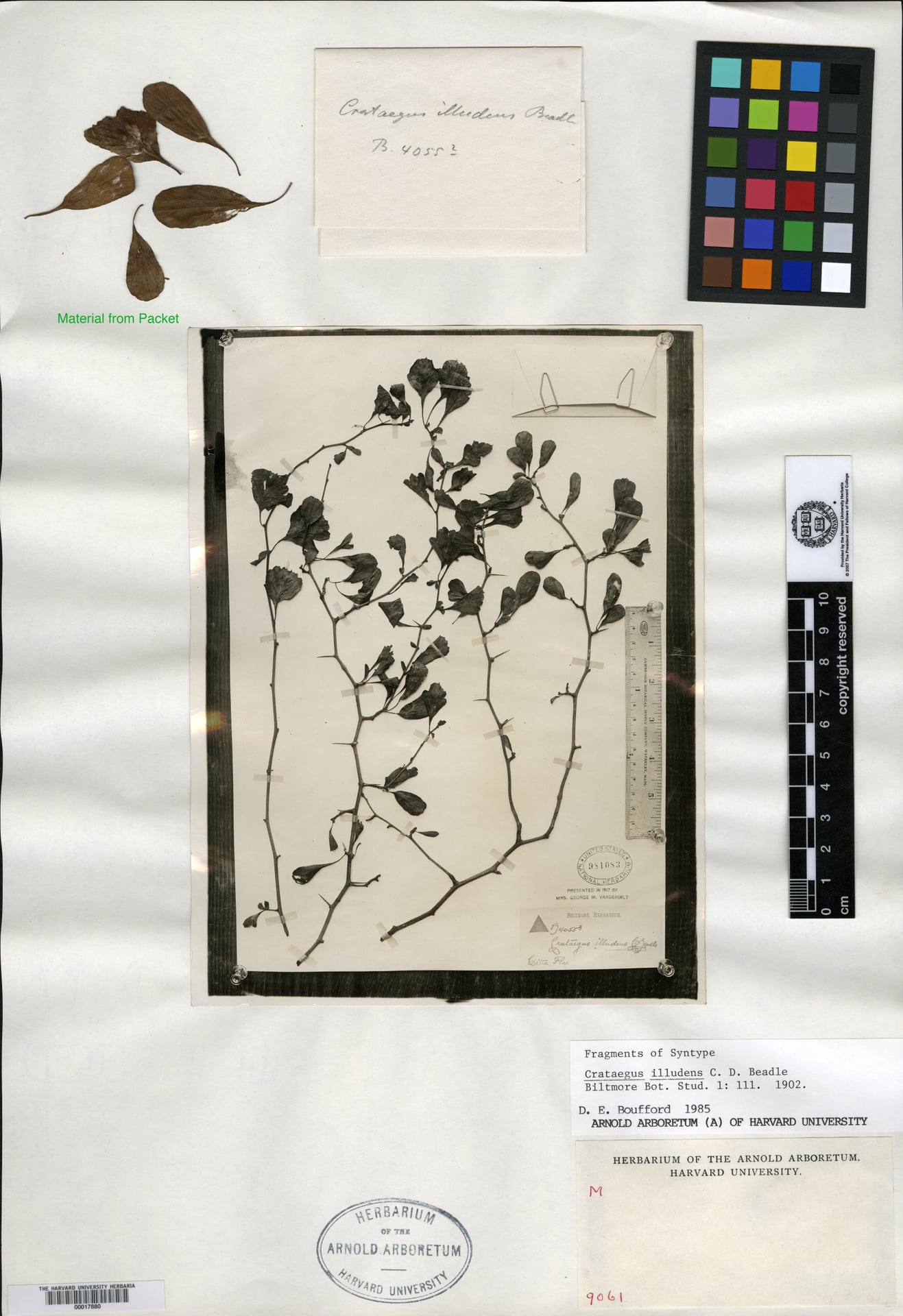
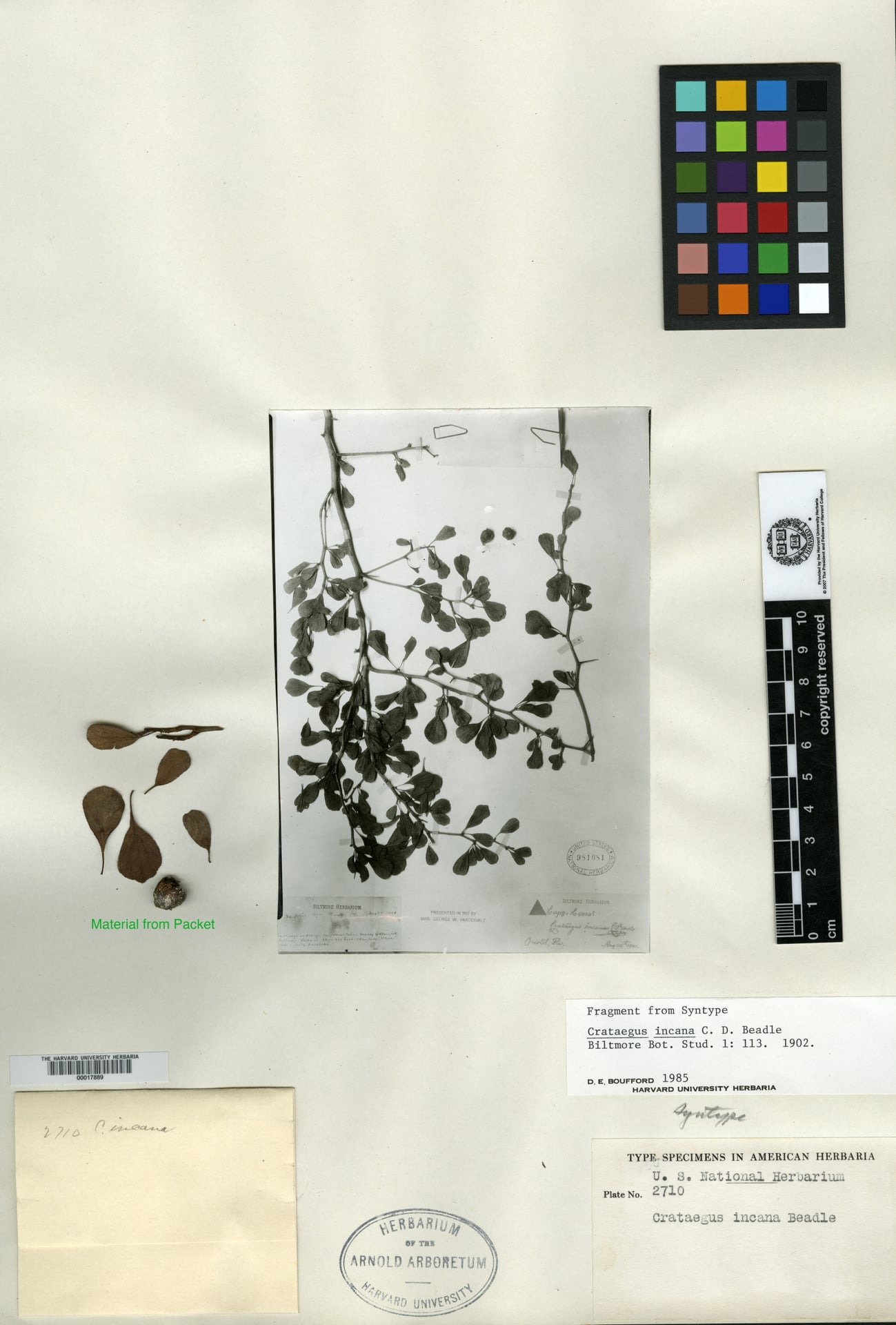
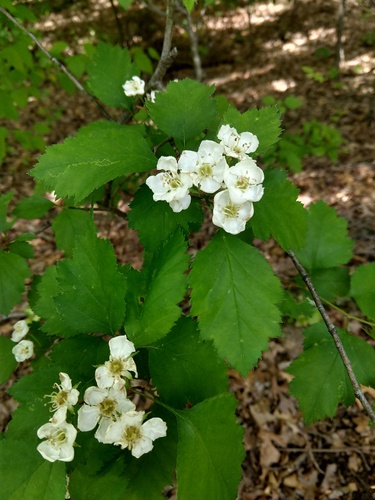
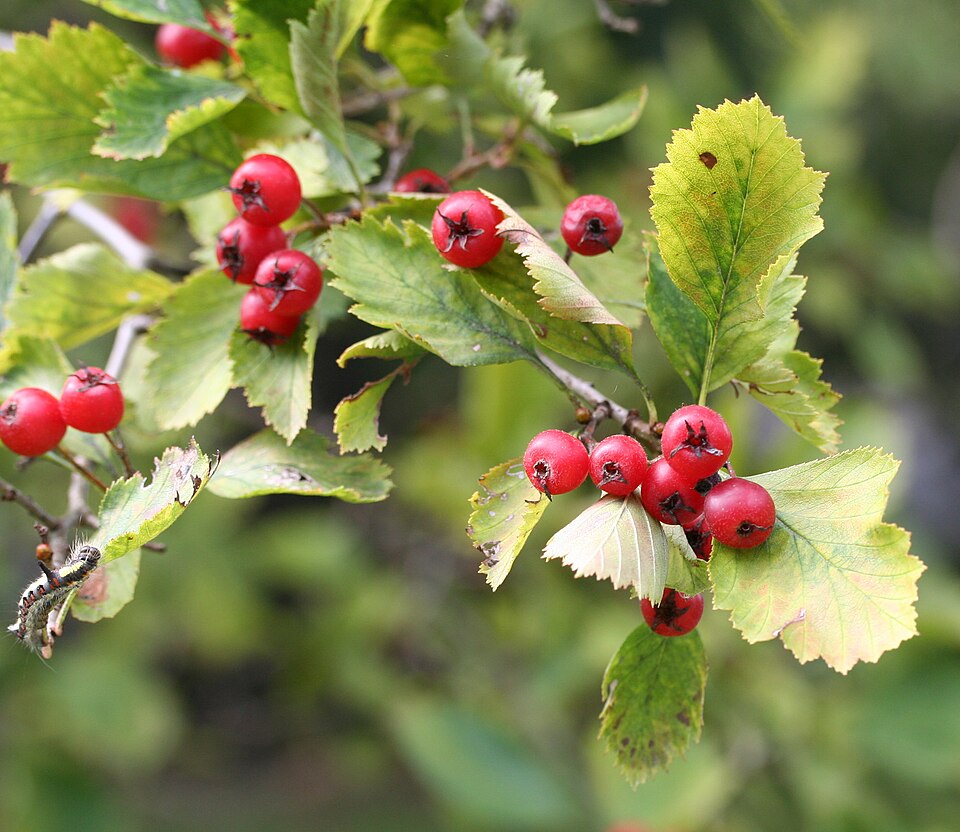
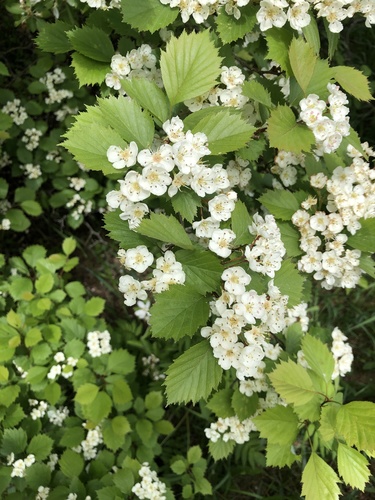
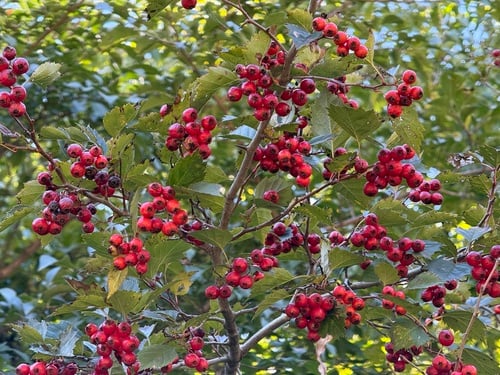
Rubus nessensis
W. Hall
iNaturalist· cc-by-nc
(c) Сергей Петров, some rights reserved (CC BY-NC)
iNaturalist· cc-by-nc
(c) Сергей Петров, some rights reserved (CC BY-NC)
iNaturalist· cc-by-nc
(c) Сергей Петров, some rights reserved (CC BY-NC)
Summary
Source: WikipediaRubus nessensis is a species of bramble native to Northwestern Europe, including Great Britain and Ireland. Two subspecies are recognized: R. n. nessensis and R. n. cubirianus.
Description
A deciduous shrub growing to 3 m tall. Flowers appear May to July. Hermaphroditic flowers are insect-pollinated; reproduces apomictically via seeds formed without sexual fusion. Adapts to light sandy, medium loamy, or heavy clay soils with good drainage, including very acidic soils. Tolerates mildly acidic to mildly alkaline pH. Grows in semi-shade or full sun and prefers moist soil.
Edible Uses
The fruit can be eaten raw or cooked. It is agreeably acid with the character of a blackberry but the flavour of a raspberry.
Traditional Uses
The fruit are cooked and used for jam. They are also eaten fresh. The leaves are dried and used for tea.
This uses section is brief — help expand it
Medicinal Uses
None known
Distribution
It is a temperate plant.
Where It Grows
Britain, Europe, Finland, Latvia, Lithuania, Luxembourg, Poland, Russia, Scandinavia,
Cultivation
Easily grown in a good well-drained loamy soil in sun or semi-shade. Succeeds on very acid soils. The plant produces apomictic flowers, these produce fruit and viable seed without fertilization, each seedling is a genetic copy of the parent. Plants in this genus are notably susceptible to honey fungus.
Propagation
Seed requires stratification and is best sown in early autumn in a cold frame. Stored seed needs one month of stratification at around 3°c and should be sown as early in the year as possible. Prick out seedlings once large enough to handle and grow on in a cold frame, then plant out into permanent positions in late spring of the following year. Cuttings of half-ripe wood can be taken in July or August in a frame. Tip layer in July and plant out in autumn. Divide in early spring or just before leaf-fall in autumn.
Other Uses
A purple to dull blue dye can be obtained from the fruit.
Notes
There are about 250 Rubus species.
Dangerous Lookalikes
This plant can be confused with the following toxic species. Always verify identification carefully before consuming any wild plant.
Red Baneberry
Actaea rubra
Walter Siegmund (talk)
Rubus nessensis
Rubus nessensis
(c) Сергей Петров, some rights reserved (CC BY-NC)
Red Baneberry: Short herbaceous plant (no thorns), berries on thick red stems, each berry has a single seed, compound sharply-toothed leaves.
Rubus nessensis: Thorny woody canes (brambles), aggregate berry made of many drupelets, berries pull easily from receptacle.
Synonyms
Also Known As
Ezhevink, Kazene, Kumanika
References (6)
- Hedrick, U.P., 1919, (Ed.), Sturtevant's edible plants of the world. p 578
- Kolosova, V., et al, 2020, Foraging in Boreal Forest: Wild Food Plants of the Republic of Karelia, NW Russia. Foods 2020, 9, 1015; p 20
- Łukasz Łuczaj and Wojciech M Szymański, 2007, Wild vascular plants gathered for consumption in the Polish countryside: a review. J Ethnobiol Ethnomedicine. 3: 17
- Plants for a Future database, The Field, Penpol, Lostwithiel, Cornwall, PL22 0NG, UK. http://www.scs.leeds.ac.uk/pfaf/
- Pruse, B., et al, 2021, Active Wild Food Practices among Culturally Diverse Groups in the 21st Century across Latgale, Latvia. Biology 2021, 10, 551.
Show all 6 references Hide references
- Trans. Roy. Soc. Edinburgh 3:20. 1794