Armeniaca dasycarpa
(Ehrhart) Borkhausen
Black apricot, Purple apricot
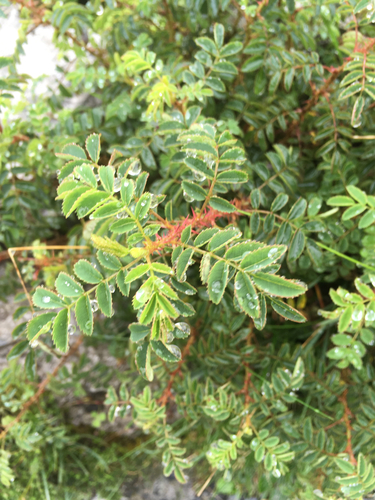
wikimedia· cc-by-sa
Wikimedia Commons - Feles gracilis
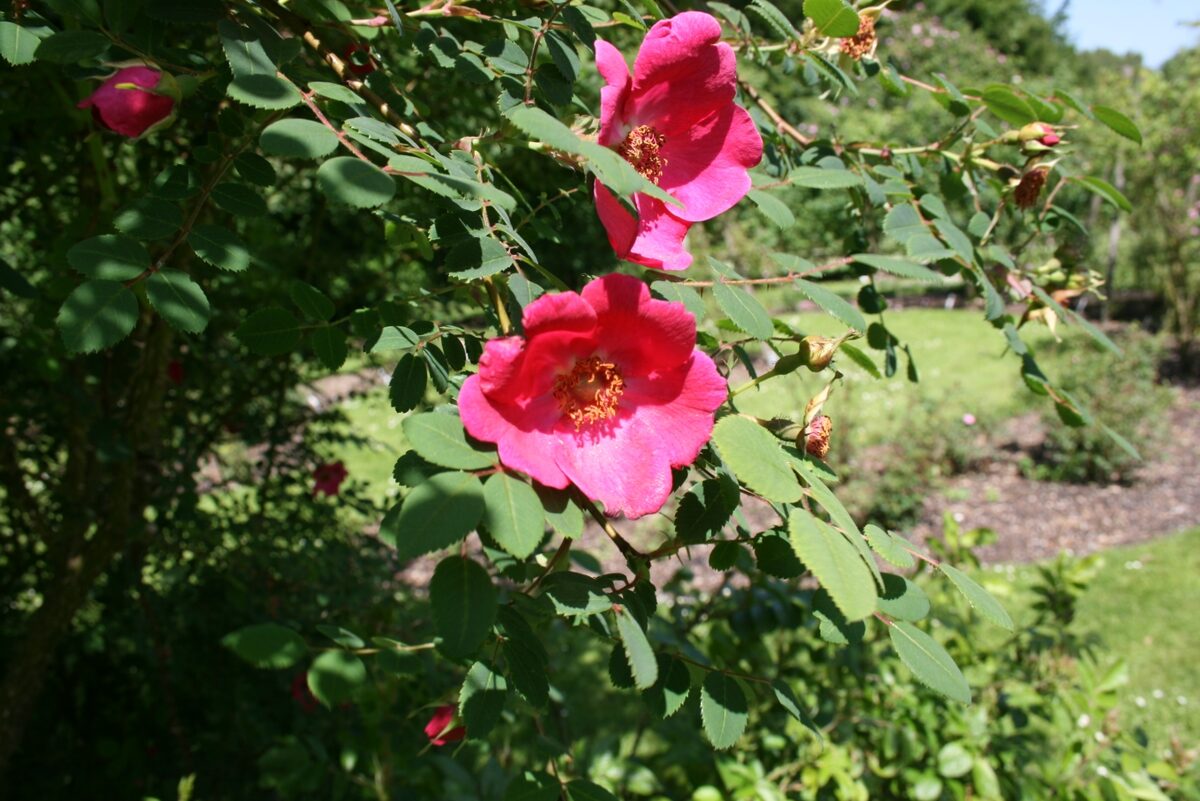
wikimedia· cc0
Wikimedia Commons - Scott Bauer, USDA ARS
Description
A tree. It grows 4-7 m tall. There are many branches that are thin and purplish red. The leaves are oval and 4-7 cm long by 3-5 cm wide. The plum like fruit are purple-black in colour. They have soft, juicy, slightly acid flesh. They are 3 cm across. Usually the seeds are bitter but are occasionally sweet.
Edible Uses
The fruit are eaten fresh, used for marmalade, and employed as a spice or flavouring. The seeds are usually bitter but occasionally sweet varieties are eaten.
Traditional Uses
The fruit are eaten fresh. They can be used for marmalade. They are also used as a spice or flavouring. The seeds can be bitter but sweet kinds are eaten.
Known Hazards
Seeds are typically bitter; sweet seeds are less common.
Distribution
It is a temperate plant.
Where It Grows
Afghanistan, Asia, China, Europe, France, India, Iran, Middle East, North America, Pakistan, Russia, Ukraine, USA,
Production
In western China plants flower in April to May and fruit June to July.
Other Information
It is a cultivated food plant unknown in the wild.
Notes
There are about 200 Prunus species.
Synonyms
Also Known As
Susincocco, Zi xing
References (7)
- Ambasta, S.P. (Ed.), 2000, The Useful Plants of India. CSIR India. p 495
- Arora, R. K., 2014, Diversity in Underutilized Plant Species - An Asia-Pacific Perspective. Bioversity International. p 57
- Facciola, S., 1998, Cornucopia 2: a Source Book of Edible Plants. Kampong Publications, p 194 (As Armeniaca x dasycarpa)
- Flora of China Vol. 9, p 399 (As Armeniaca dasycarpa) and Flora of China. www.eFloras.org
- Hedrick, U.P., 1919, (Ed.), Sturtevant's edible plants of the world. p 523
Show all 7 references Hide references
- Plants for a Future database, The Field, Penpol, Lostwithiel, Cornwall, PL22 0NG, UK. http://www.scs.leeds.ac.uk/pfaf/
- Seidemann J., 2005, World Spice Plants. Economic Usage, Botany, Taxonomy. Springer. p 49