Prunus americana var. lanata
Sudw.
Bigtree Plum, Canada Plum
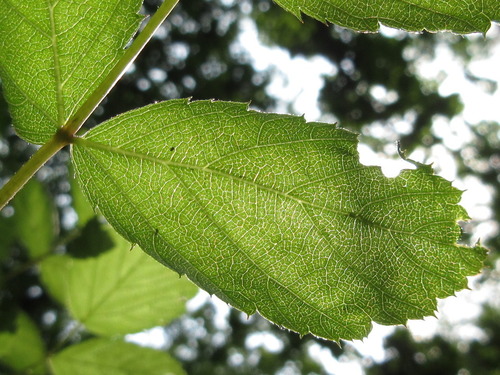
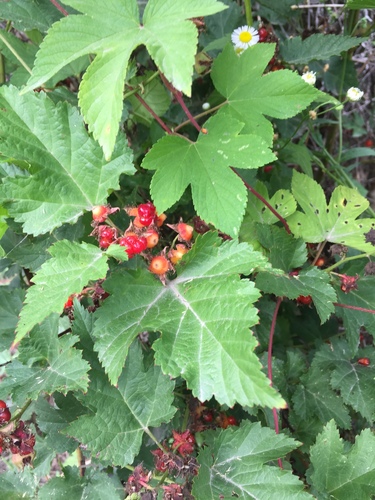
iNaturalist· cc-by-nc
(c) Dave Sutherland, some rights reserved (CC BY-NC), uploaded by Dave Sutherland
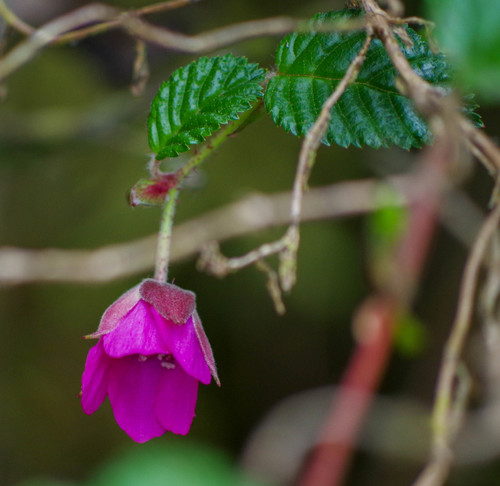
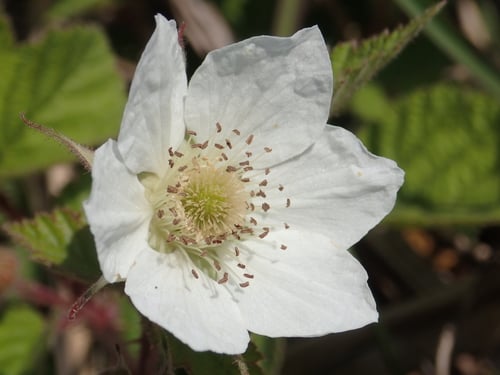
iNaturalist· cc-by-nc
(c) Erin Haase, some rights reserved (CC BY-NC), uploaded by Erin Haase
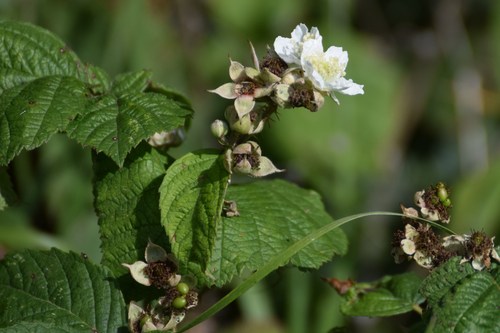
iNaturalist· cc-by-nc
(c) cassi saari, some rights reserved (CC BY-NC), uploaded by cassi saari
Summary
Source: WikipediaPrunus americana, commonly called the American plum, wild plum, or Marshall's large yellow sweet plum, is a species of Prunus native to North America from Saskatchewan and Idaho south to New Mexico and east to Québec, Maine and Florida. Prunus americana has often been planted outside its native range and sometimes escapes cultivation. It is commonly confused with the Canada plum (Prunus nigra), although the fruit is smaller and rounder and bright red as opposed to yellow. Many cultivated varieties have been derived from this species. It forms an excellent stock upon which to graft the domestic plum.
Description
Possibly now Prunus nigra.
This description is brief — help expand it
Edible Uses
The American plum is used for both ornamental and culinary purposes. The white flowers are decorative in spring and its short, single leader makes it a popular residential landscape tree. Sargent says of it: "As an ornamental plant P. americana has real value; the long wand-like branches form a wide, graceful head which is handsome in winter and in spring is covered with masses of pure white flowers followed by ample bright foliage and abundant showy fruit." More than 200 forms of American plum have been grown for cultivation. The sour and sweet fruit is eaten fresh and is processed as preserves, jellies, jam and wine. Farms use medium to tall shrubs or trees for windbreaks, and highway or riverside plantings. Its high density of growth effectively reduces the wind velocity near the ground. Development of suckers from the root system makes American plum effective in stabilizing stream banks and gullies. It will tolerate several days of flooding. Some commercial properties plant the trees along the entrance road. Many birds and animals eat the fruit, and both white-tailed deer and mule deer feed on twigs and leaves. Traditionally, American plum was extensively used by Native Americans. Eastern Native Americans planted many trees giving many places the name of Crab Orchard. The Plains Indians and Cheyenne ate the plums; the latter used the branches for the Sun Dance. The Navajo used the roots to make a red dye.
Distribution
Temperate.
Where It Grows
Argentina, North America, South America, USA,
Notes
There are about 200 Prunus species.
References (2)
- Nomenclature of the arborescent flora of the U.S. 237. 1897
- Plants for a Future database, The Field, Penpol, Lostwithiel, Cornwall, PL22 0NG, UK. http://www.scs.leeds.ac.uk/pfaf/