Potentilla kleiniana
Wight. & Arn.
iNaturalist· cc-by-nc
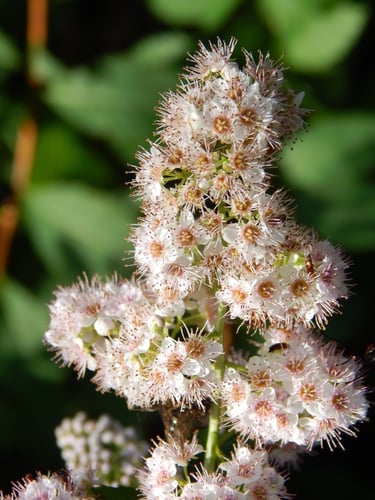
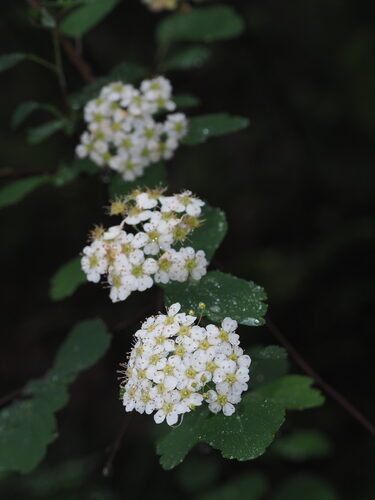
(c) Chuangzao, some rights reserved (CC BY-NC), uploaded by Chuangzao
iNaturalist· cc-by
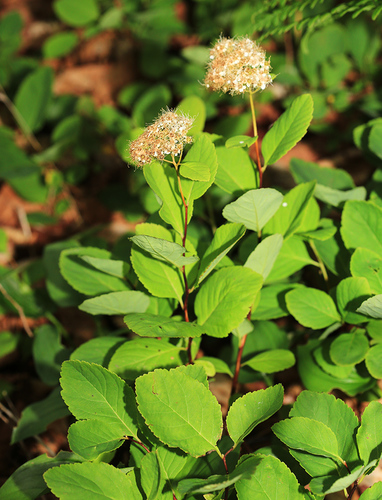
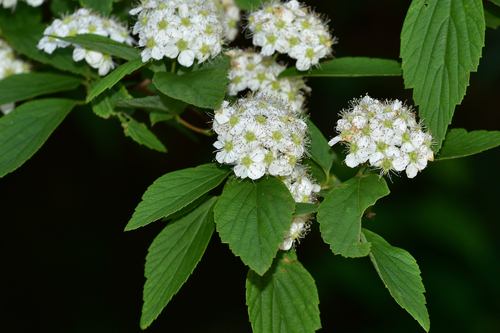
(c) WATANABE Hitoshi 渡辺仁, some rights reserved (CC BY), uploaded by WATANABE Hitoshi 渡辺仁
iNaturalist· cc-by-nc
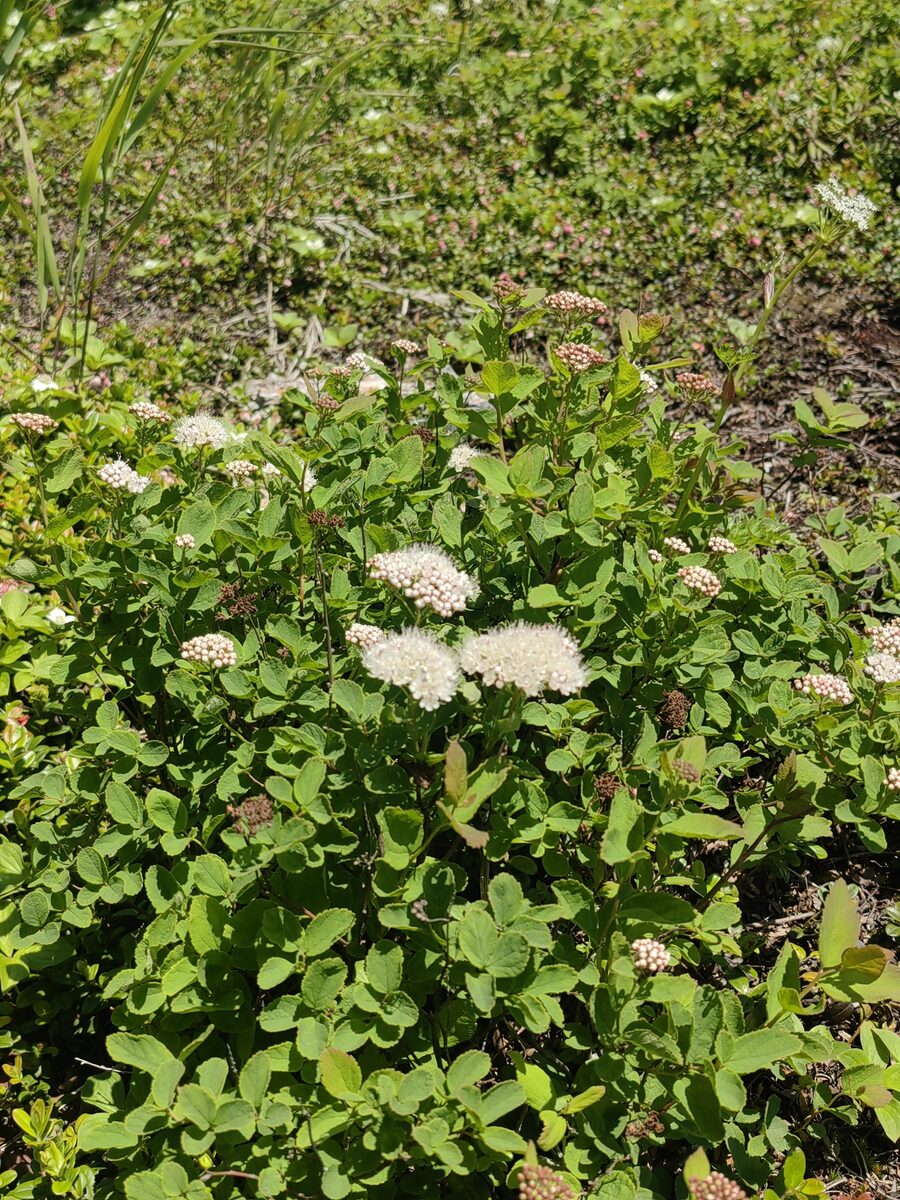
(c) ogawa-nikaeri, some rights reserved (CC BY-NC)
Summary
Potentilla kleiniana is a low-growing perennial reaching 0.3 m (1 ft) tall. Flowering and seed ripening both occur from May to September. The plant is hermaphroditic and self-fertile, pollinated by insects. It tolerates light sandy, medium loamy, and heavy clay soils with good drainage, and adapts to mildly acidic, neutral, and basic soil pH levels. The plant grows in semi-shade or full sun with preference for moist soil.
Description
An annual herb. The leaves near the roots have stalks. The leaves on the stem have five leaflets arranged like fingers on a hand. The leaflets do not have stalks. They are 0.7-3 cm long by 0.8-1.7 cm wide. They are oblong and with teeth. They are hairy on the veins underneath. The flowers are yellow. They occur in flat topped heads at the ends of branches.
Edible Uses
Young leaves and stems are edible when cooked. The fruit can be eaten raw or cooked.
Traditional Uses
The ripe fruit are edible. The leaves are eaten raw or boiled.
This uses section is brief — help expand it
Medicinal Uses
The plant is astringent, depurative and febrifuge. A decoction of the whole plant is used in the treatment of colds, influenza and sore throat.
Distribution
In Nepal they grow between 800-2500 m altitude. They occur scattered in moist, open places. In China it grows between 400-3000 m altitude in S China. In Yunnan.
Where It Grows
Asia, Bhutan, Britain, China, Europe, Greece, Himalayas, India, Indochina, Indonesia, Iraq, Japan, Korea, Laos, Malaysia, Mediterranean, Middle East, Myanmar, Nepal, Northeastern India, SE Asia, Sikkim, Spain, Sri Lanka, Turkey, Türkiye, Vietnam,
Cultivation
We have very little information on this species and do not know if it will be hardy in Britain, though judging by its native range it should succeed outdoors in most parts of the country. The following notes are based on the general needs of the genus. Easily grown in a well-drained loam, preferring a position in full sun but tolerating shade. Prefers an alkaline soil but tolerates a slightly acid soil. Members of this genus are rarely if ever troubled by browsing deer.
Propagation
Sow seed in early spring or autumn in a cold frame. Once large enough to handle, prick seedlings into individual pots and grow on in a greenhouse through their first winter, then plant out in late spring or early summer after the last expected frosts. For division, spring is the best time. Larger divisions can go directly into permanent positions, while smaller ones are better potted up and grown on in light shade in a cold frame until well established before planting out in late spring or early summer.
Other Uses
None known
Notes
There are about 500 Potentilla species.
Synonyms
Also Known As
Boson sau, Kauwa kaphal, She han wei ling cai
References (4)
- Flora of China @ efloras.org Volume 9
- Geng, Y., et al, 2016, Traditional knowledge and its transmission of wild edibles used by the Naxi in Baidi Village, northwest Yunnan province. Journal of Ethnobiology and Ethnomedicine. 12:10
- Manandhar, N.P., 2002, Plants and People of Nepal. Timber Press. Portland, Oregon. p 378
- Plants for a Future database, The Field, Penpol, Lostwithiel, Cornwall, PL22 0NG, UK. http://www.scs.leeds.ac.uk/pfaf/