Populus balsamifera
L.
Balsam Poplar, Tacamahac
iNaturalist· cc-by-nc
(c) Maya Frederickson, some rights reserved (CC BY-NC), uploaded by Maya Frederickson
iNaturalist· cc-by-nc
(c) David McCorquodale, some rights reserved (CC BY-NC), uploaded by David McCorquodale
iNaturalist· cc-by-nc
(c) rite_photo, some rights reserved (CC BY-NC), uploaded by rite_photo
Summary
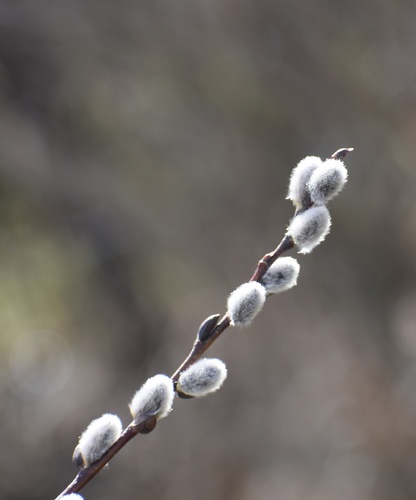
Source: WikipediaPopulus balsamifera, commonly called balsam poplar, bam, bamtree, eastern balsam-poplar, hackmatack, tacamahac poplar, tacamahaca, is a tree species in the balsam poplar species group in the poplar genus, Populus. The genus name Populus is from the Latin for poplar, and the specific epithet balsamifera from Latin for "balsam-bearing". Populus balsamifera is the northernmost North American hardwood, growing transcontinentally on boreal and montane upland and flood plain sites, and attaining its best development on flood plains. It is a hardy, fast-growing tree which is generally short lived, but some trees as old as 200 years have been found. The tree is known for its strong, sweet fragrance, which emanates from its sticky, resinous buds. The smell has been compared to that of the balsam fir tree.
Description
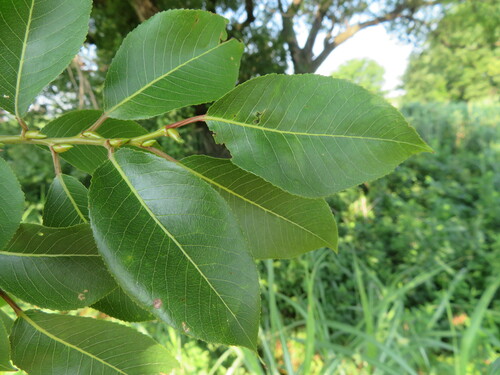
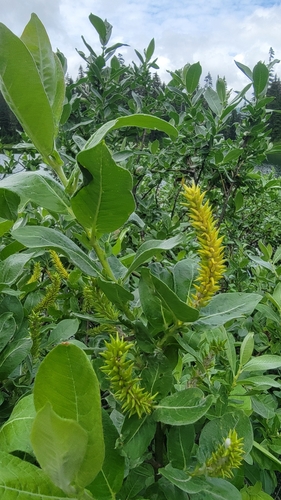
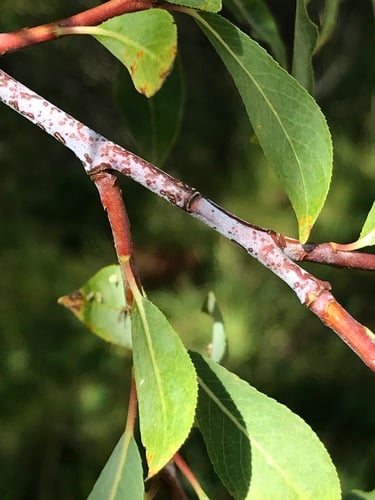
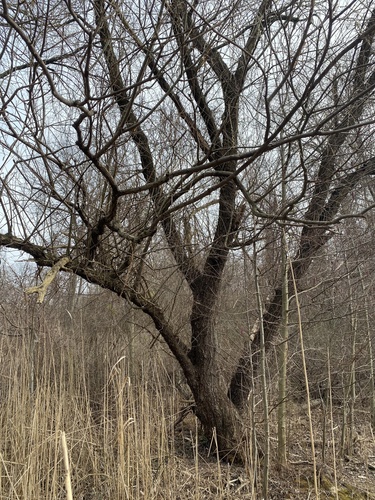
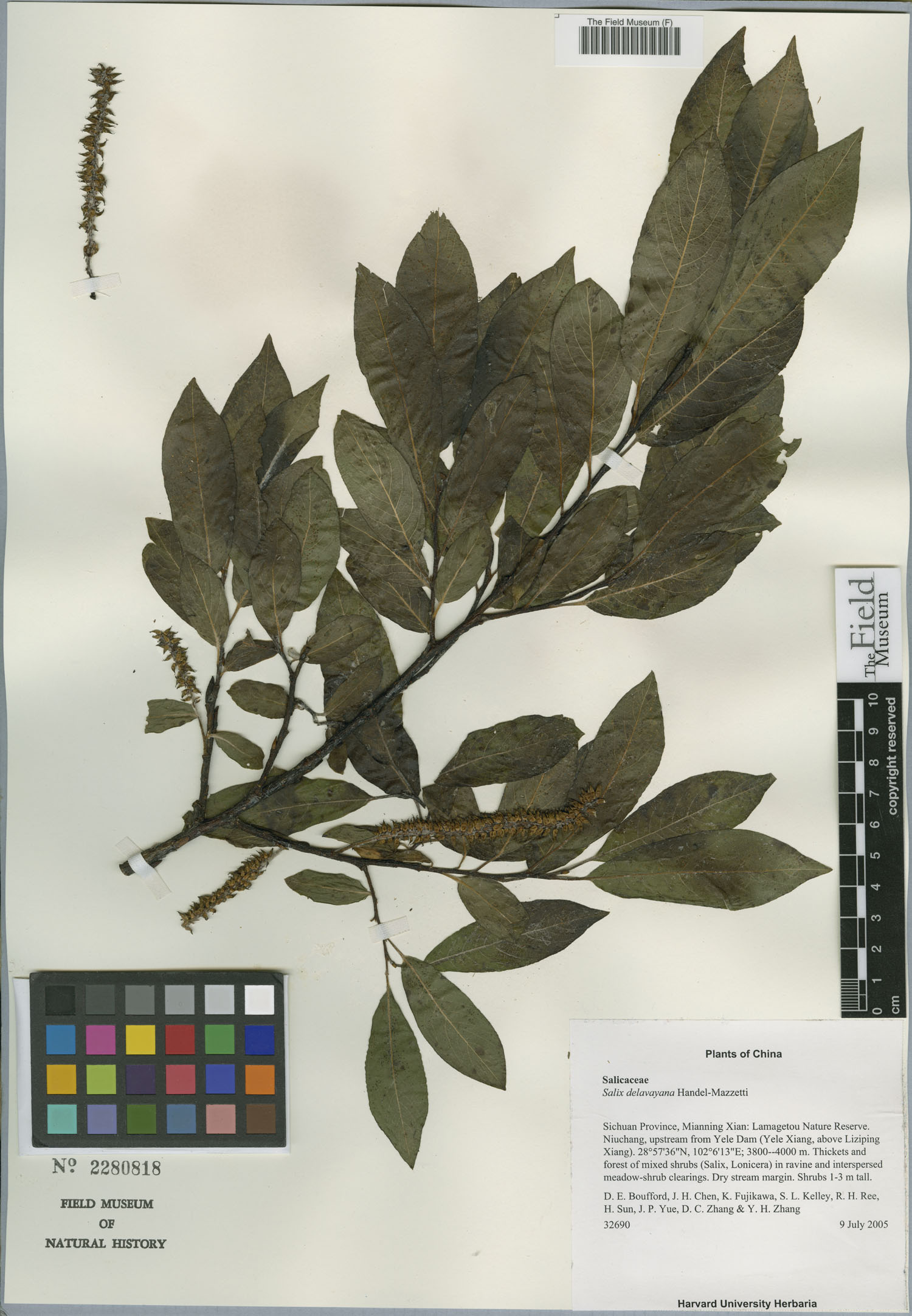
A medium sized deciduous tree. It grows 25-30 m high. The trunk is 50 cm across. The bark is grey and ridged. The leaves are oval and 12 cm long by 10 cm wide. They taper to a point. They have fine teeth. They are glossy green above and white with net veins underneath. The sexes are separate. Male catkins are reddish. Female catkins are followed by small green fruit carried in masses of white cotton-like threads.
Edible Uses
The inner bark is best used in spring and is mucilaginous. Though no further details are given for this species, inner bark is typically dried, ground into a powder, and used as a thickener in soups or added to cereals when making bread. The catkins can be eaten raw or cooked, though they have a bitter flavour.
Traditional Uses
The wood is used for smoking fish because it imparts flavour. An essential oil is used by the food industry to flavour alcoholic drinks. Caution: Alcohol is a cause of cancer. The soft cambium layer between the wood and the bark is sometimes eaten. The buds are dried and used for tea.
Medicinal Uses
Balsam poplar has a long history of medicinal use, valued by several native North American Indian tribes particularly for skin problems and lung ailments, and in modern herbalism it is used as an expectorant and antiseptic tonic. The leaf buds are antiscorbutic, antiseptic, diuretic, expectorant, stimulant, and tonic, and are covered with a resinous sap with a strong turpentine odour and bitter taste. They are boiled to separate the resin, which is then dissolved in alcohol and used as a folk salve and wash for sores, rheumatism, and wounds. Made into a tea, the resin is used as a wash for sprains, inflammation, and muscle pains, and taken internally for lung ailments and coughs. The buds can also be placed in hot water and used as an inhalant to relieve nasal congestion. The bark is cathartic and tonic. As with most members of the genus, the bark likely contains salicin, a glycoside that probably breaks down into salicylic acid (aspirin) in the body, making it anodyne, anti-inflammatory, and febrifuge — used especially for rheumatism, fevers, and menstrual cramp pain. A tea made from the inner bark is used as an eye wash and to treat scurvy.
Distribution
It is a temperate plant. It is native to North America. It grows in moist woods. They require moist well-drained soil. It grows to 1675 m in the Rocky Mountains. It suits hardiness zones 3-8. Arboretum Tasmania.
Where It Grows
Alaska, Australia, Canada, Europe, Latvia, North America, Russia, Siberia, Tasmania, USA,
Cultivation
An easily grown plant, it does well in a heavy cold damp soil, though it prefers a deep rich well-drained circumneutral soil, growing best in the south and east of Britain. Growth is much less on wet soils, on poor acid soils and on thin dry soils. Does not do well in exposed upland sites. Dislikes shade, it is intolerant of root or branch competition. A fast-growing and generally short-lived tree, though specimens 150 - 200 years old have occasionally been recorded[229. This is a pioneer species, invading cleared land, old fields etc, but unable to tolerate shade competition and eventually being out-competed by other trees. It is not fully satisfactory in Britain. In spring and early summer the buds and young leaves have a strong fragrance of balsam. Poplars have very extensive and aggressive root systems that can invade and damage drainage systems. Especially when grown on clay soils, they should not be planted within 12 metres of buildings since the root system can damage the building's foundations by drying out the soil. Hybridizes freely with other members of this genus. Dioecious. Male and female plants must be grown if seed is required.
Propagation
Seed must be sown as soon as it is ripe in spring, as poplar seed has an extremely short viability period and must be sown within a few days of ripening. Surface sow or lightly cover seed in trays in a cold frame. Prick seedlings into individual pots when large enough to handle and grow on in the cold frame. If sufficient growth is made, plant out in late summer into permanent positions; otherwise overwinter in the cold frame and plant out the following late spring. Most poplar species hybridize freely, so seed may not come true unless collected in the wild where no other poplar species are present. Take cuttings of mature wood from the current season's growth, 20–40 cm long, in November or December, in a sheltered outdoor bed or directly into permanent positions — very easy to root. Suckers can be taken in early spring.
Other Uses
An extract of the shoots can be used as a rooting hormone for all types of cuttings, prepared by soaking chopped shoots in cold water for a day. The resin from the buds was used by various native North American Indian tribes to waterproof canoe seams, and has also been used as an insect repellent. Burning the bark repels mosquitoes. This species is a pioneer, capable of colonising cleared land and establishing conditions for other woodland trees, though it is eventually outcompeted as it is not very shade tolerant. The wood is soft, light, rather woolly in texture, without smell or taste, of low flammability, not durable, and very resistant to abrasion, weighing 23 lb per cubic foot. It is used for pulp, boxes, and similar purposes, and also as fuel, giving off a pleasant odour when burning.
Notes
There are about 35 Populus species.
Synonyms
Also Known As
Topoli
References (19)
- Ambasta, S.P. (Ed.), 2000, The Useful Plants of India. CSIR India. p 483
- Beckstrom-Sternberg, Stephen M., and James A. Duke. "The Foodplant Database." http://probe.nalusda.gov:8300/cgi-bin/browse/foodplantdb.(ACEDB version 4.0 - data version July 1994)
- Bremness, L., 1994, Herbs. Collins Eyewitness Handbooks. Harper Collins. p 78
- Brickell, C. (Ed.), 1999, The Royal Horticultural Society A-Z Encyclopedia of Garden Plants. Convent Garden Books. p 820
- Coombes, A.J., 2000, Trees. Dorling Kindersley Handbooks. p 287
Show all 19 references Hide references
- Cundall, P., (ed.), 2004, Gardening Australia: flora: the gardener's bible. ABC Books. p 1072
- Etkin, N.L. (Ed.), 1994, Eating on the Wild Side, Univ. of Arizona. p 69
- Facciola, S., 1998, Cornucopia 2: a Source Book of Edible Plants. Kampong Publications, p 221
- Farrar, J.L., 1995, Trees of the Northern United States and Canada. Iowa State University press/Ames p 340
- Hibbert, M., 2002, The Aussie Plant Finder 2002, Florilegium. p 238
- Joyce, D., 1998, The Garden Plant Selector. Ryland, Peters and Small. p 115
- Little, E.L., 1980, National Audubon Society Field Guide to North American Trees. Alfred A. Knopf. p 321
- MacKinnon, A., et al, 2009, Edible & Medicinal Plants of Canada. Lone Pine. p 50
- Sp. pl. 2:1034. 1753
- Toupal, R. S. & Hollenback, K., 2009, An Ethnobotany of Indiana Dunes National Lakeshore: Plant Uses of the Ojibwa People. Bureau of Applied Research in Anthropology. University of Arizona
- Turner, N., 1997, Food Plants of Interior First Peoples. Royal BC Museum Handbook p 156 (ssp. trichocarpa and balsamifera)
- Turner, N., et al, 2011, "Up on the Mountain": Ethnobotanical Important of Montane Sites in Pacific Coastal North America. Journal of Ethnobiology 31(1): 4-43
- Wiersema, J. H. & Leon, B., 2013, World Economic Plants. A Standard Reference CRC Press. 2nd Ed. p 551
- World Checklist of Useful Plant Species 2020. Royal Botanic Gardens, Kew