Lentinus sajor-caju
(Fries) Fries
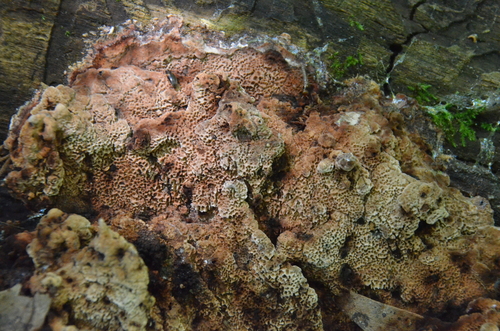
iNaturalist· cc-by-sa
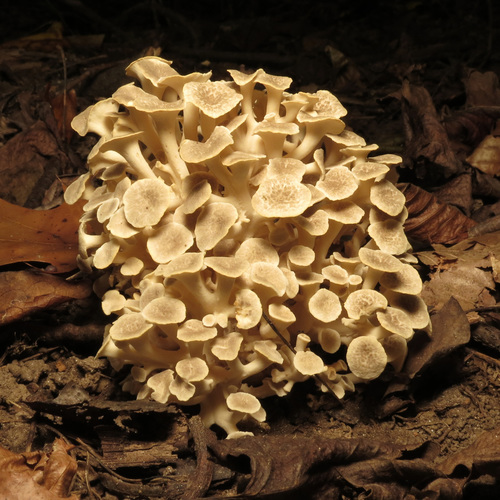
(c) Tony Rebelo, some rights reserved (CC BY-SA), uploaded by Tony Rebelo
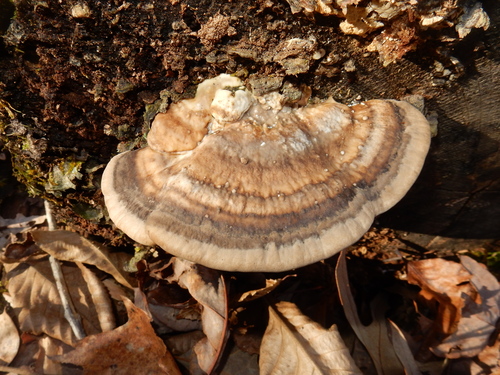
iNaturalist· cc-by-sa
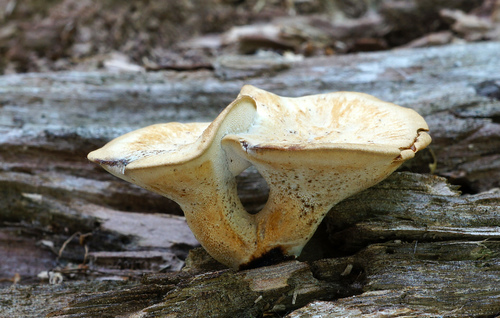
(c) Jacques van der Merwe, some rights reserved (CC BY-SA), uploaded by Jacques van der Merwe
iNaturalist· cc-by-nc
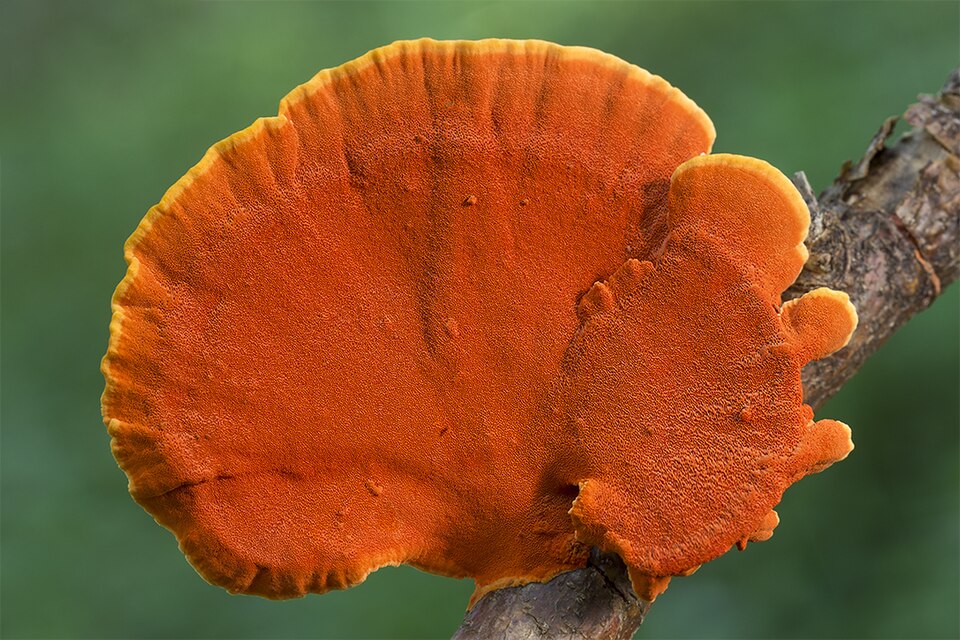
(c) Sandra Falanga, some rights reserved (CC BY-NC), uploaded by Sandra Falanga
Summary
Source: WikipediaLentinus sajor-caju (formerly Pleurotus sajor-caju) is a species of mushroom from Polyporaceae family.
Description
A mushroom. It grows in rotting timber. It is a creamy coloured fungus with white gills.
This description is brief — help expand it
Edible Uses
It is eaten when young.
Traditional Uses
It is eaten when young.
This uses section is brief — help expand it
Distribution
A tropical plant. It grows on rotten trunks and branches.
Where It Grows
Africa, Angola, Asia, Burundi, Cambodia, Cameroon, Central Africa, Central Africa Republic, CAR, China, Comoros, Congo DR, Côte d'Ivoire, East Africa, Gabon, Hong Kong, India, Indonesia, Ivory Coast, Kenya, Madagascar, Malawi, Malaysia, Mauritius, Mozambique, Nigeria, Papua New Guinea, PNG, Reunion, Rwanda, SE Asia, Seychelles, South Africa, Southern Africa, Tanzania, Tibet, Uganda,
Notes
Also put in the families Agaricaceae and Tricholomataceae.
Synonyms
Also Known As
Bren-ba-ba-mu, Chendawan batang, Esusuk, Konatam, Kulat gelang kaki, Phsett ambosh, Sayor kayu, Supa kawung, Supa liyat, Susu
References (13)
- Abdullah, F. & Rusea, G., 2009, Documentation of inherited knowledge on wild edible fungi from Malaysia. Blumea 54, 35-38
- Ambasta, S.P. (Ed.), 2000, The Useful Plants of India. CSIR India. p 322 (Also as Lentinus exilis)
- Boa, E. R., 2004, Wild edible fungi and their importance to people. FAO Non Wood Forest Products Booklet 17
- Burkill, I.H., 1966, A Dictionary of the Economic Products of the Malay Peninsula. Ministry of Agriculture and Cooperatives, Kuala Lumpur, Malaysia. Vol 2 (I-Z) p 1350
- Cengel, D. J. & Dany, C., (Eds), 2016, Integrating Forest Biodiversity Resource Management and Sustainable Community Livelihood Development in the Preah Vihear Protected Forest. International Tropical Timber Organization p 125
Show all 13 references Hide references
- Degreef, J., et al, 2016, Wild edible mushrooms, a valuable resource for food security and rural development in Burundi and Rwanda. Biotechnol. Agron. Soc. Environ. 2016 20(4), 441-452
- efta-online.org, Edible Fungi of Tropical Africa, Jardin botanique Meise
- Gryzenhout, M., 2010, Mushrooms of South Africa. Pocket Guide. Struik. p 44
- Heyne, K., 1927, p 66
- Leach, G. J., 1988, Bush Food Plants of the Blackwater and Karawari Rivers Area, East Sepik Province, Papua New Guinea. Science in New Guinea 14(2). p 98
- Li, S., et al, 2020, Monpa, memory, and change: an ethnobotanical study of plant use in Mêdog County, South-east Tibet, China. Journal of Ethnobiology and Ethnomedicine. (2020) 16:5 p 20
- Thatoi, H. & Singdevsachan, S. K., 2014, Diversity, nutritional composition and medicinal potential of Indian mushrooms: A review. African Journal of Biotechnology 13(4): 523-545
- van Dijk, H., et al, 2003, Knowledge and Utilization of Edible Mushrooms by Local Populations of the Rain Forest of South Cameroon. Ambio Vol. 32, No. 1.pp 19-23